

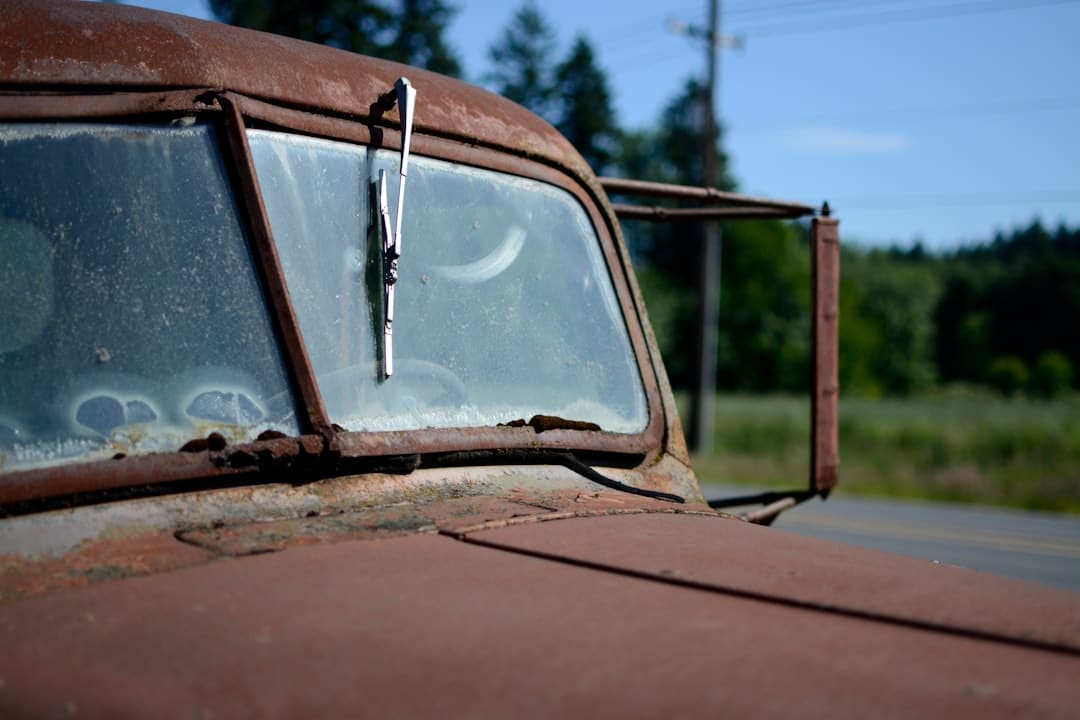

Windshield insurance coverage is a critical aspect of auto insurance that many drivers may overlook until they find themselves in need of repairs. This type of coverage typically falls under comprehensive insurance, which protects against non-collision-related incidents such as theft, vandalism, and natural disasters. However, windshield coverage can also be a standalone policy or an add-on to your existing auto insurance plan.
Understanding the specifics of your coverage is essential, as it can significantly influence your out-of-pocket expenses when dealing with windshield damage. Many insurance policies offer full glass coverage, which means that if your windshield is damaged, you may not have to pay a deductible. This can be particularly beneficial for drivers who frequently travel in areas prone to debris or harsh weather conditions that can lead to chips and cracks.
It’s important to read the fine print of your policy to determine whether you have full glass coverage or if there are limitations, such as specific types of damage that are covered or exclusions for certain circumstances. Additionally, some states have laws that require insurers to offer comprehensive glass coverage, which can further complicate the landscape of what is available to you as a policyholder.
Key Takeaways
- Understand the extent of your windshield insurance coverage before filing a claim
- Assess the damage to your auto glass and determine if it requires repair or replacement
- Contact your insurance provider as soon as possible to initiate the claims process
- Provide all necessary information and documentation to support your claim
- Schedule an appointment with a reputable glass repair specialist for the necessary repairs or replacement
Assessing the Damage to Your Auto Glass
Once you notice a crack or chip in your windshield, the first step is to assess the extent of the damage. Not all damage is created equal; small chips may be repairable, while larger cracks often necessitate a full replacement. A general rule of thumb is that if the crack is longer than three inches or if it is located in the driver’s line of sight, replacement is usually recommended.
Conversely, smaller chips can often be repaired without the need for a complete windshield replacement, saving both time and money. To accurately assess the damage, consider factors such as the size, depth, and location of the imperfection. A simple visual inspection can help determine if the damage is superficial or if it has penetrated deeper into the glass layers.
Additionally, environmental factors such as temperature fluctuations can exacerbate existing damage, causing cracks to spread. It’s advisable to document the damage with photographs and notes about when and how it occurred, as this information can be useful when filing an insurance claim.
Contacting Your Insurance Provider
After assessing the damage, the next step is to contact your insurance provider. This initial communication is crucial as it sets the stage for the claims process. When reaching out to your insurer, be prepared to provide details about your policy and the nature of the damage.
Many insurance companies have dedicated claims departments that specialize in handling auto glass issues, making it easier for you to navigate the process. During this conversation, inquire about your coverage specifics, including whether you have a deductible and what types of repairs or replacements are covered under your policy. Some insurers may also have preferred vendors or repair shops that they work with, which could streamline the process and potentially save you money.
It’s important to ask about any necessary documentation you may need to provide and whether there are any time constraints for filing your claim.
Providing Necessary Information for the Claim
Once you’ve contacted your insurance provider, you will need to gather and submit various pieces of information to support your claim. This typically includes your policy number, details about the incident that caused the damage, and any documentation you’ve collected during your assessment of the windshield. Photographs of the damage can be particularly helpful in illustrating the extent of the issue and supporting your case for repair or replacement.
In addition to visual evidence, you may also need to provide a written description of how the damage occurred. This could involve explaining whether it was caused by road debris, a weather-related incident, or another factor. Be as detailed as possible; clarity can expedite the claims process and reduce the likelihood of disputes later on.
Some insurers may also require a police report if the damage was caused by vandalism or an accident involving another vehicle.
Scheduling an Appointment with a Glass Repair Specialist
Once your claim has been initiated and approved by your insurance provider, it’s time to schedule an appointment with a glass repair specialist. Many insurance companies have partnerships with local auto glass repair shops, which can simplify this process. If your insurer has a preferred vendor list, consider choosing one from that list to ensure that your repairs are covered without any complications.
When scheduling your appointment, inquire about the types of repairs they offer and whether they can handle both repairs and replacements. Some shops may provide mobile services, allowing technicians to come to your location for added convenience. During this appointment, be prepared to discuss the details of your insurance claim with the technician so they can coordinate with your insurer regarding payment and any necessary documentation.
Reviewing the Claim and Approval Process
The claims process for windshield repair or replacement typically involves several steps that require careful attention. After submitting all necessary information and documentation, your insurance provider will review your claim to determine its validity based on your policy terms. This review process can vary in duration depending on the insurer’s workload and internal procedures.
During this time, it’s essential to stay proactive by following up with your insurance provider if you haven’t received updates within a reasonable timeframe. Understanding their timeline for processing claims can help manage expectations and ensure that you are not left in limbo while waiting for approval. If any additional information is required from you during this review period, be prompt in providing it to avoid unnecessary delays.
Completing the Glass Repair or Replacement
Once your claim has been approved, you can proceed with completing the glass repair or replacement process. If you are having a chip repaired, this typically involves injecting a special resin into the damaged area to restore structural integrity and clarity. This process is usually quick and can often be completed within an hour at most repair shops.
In cases where a full windshield replacement is necessary, the process is more involved but still manageable. The technician will carefully remove the damaged windshield and clean any debris from the frame before installing a new piece of glass. It’s important to ensure that high-quality materials are used during this process; inferior glass can lead to further issues down the line.
After installation, technicians will often apply a sealant to prevent leaks and ensure proper adhesion.
Following Up with Your Insurance Provider
After completing the repair or replacement of your windshield, it’s crucial to follow up with your insurance provider to finalize any outstanding details related to your claim. This may involve confirming that payment has been processed or ensuring that all necessary documentation has been submitted and accepted by your insurer. Additionally, following up allows you to address any lingering questions or concerns regarding your coverage or future claims related to auto glass damage.
It’s also an opportunity to review how this experience has impacted your overall insurance needs; perhaps you might consider adjusting your coverage based on this incident or exploring additional options for protection against future damages. Keeping an open line of communication with your insurer fosters a better relationship and ensures that you are well-informed about your policy moving forward.