



I’ve always been a bit of a cautious driver. Not in a way that slows down traffic, mind you, but more in a constant hum of awareness. I scan, I anticipate, I check my mirrors religiously. It’s a habit born from years behind the wheel and a deep-seated desire to get wherever I’m going safely. So, when I started noticing more and more cars equipped with what the industry vaguely calls “Advanced Driver Assistance Systems” (ADAS), my curiosity was piqued. These aren’t the turn signals and wipers I’m used to – these are smart systems, layers of technology designed to make driving less error-prone. And I’ve come to realize that a significant chunk of this incredible innovation is happening right on my windshield.
For so long, the windshield was just a transparent barrier, a literal window to the world. Its primary function was to keep the elements out and allow me to see the road ahead. But its role has fundamentally shifted. It’s no longer just a passive piece of glass; it’s now a dynamic interface, a strategic location housing a complex array of sensors and cameras that are actively working to enhance my safety. I remember the first time a car I was test-driving gently nudged me back into my lane when I drifted too close to the line. It was a subtle, almost subconscious correction, but it sent a real buzz through me. This wasn’t a human passenger nagging me; it was my car, quietly looking out for me. This shift from passive to active safety is, in my opinion, one of the most significant automotive advancements of our generation, and the windshield is at the very heart of it.
The Evolution of the Windshield: From Simple Glass to Smart Hub
It’s easy to take the modern windshield for granted. We expect it to be tough, clear, and rain-repellent. But rewind a few decades, and the windshield was a much simpler affair.
Early Automotive Glass: Basic Protection and Visibility
Think back to the early days of the automobile. Windshields were often made from standard glass, prone to shattering. Their primary purpose was to offer some semblance of protection from wind and debris, and to provide a clear view of the road. The concept of integrated technology was a distant dream.
The Introduction of Laminated Safety Glass: A Step Towards Durability
The advent of laminated safety glass was a major leap forward, significantly reducing the risk of injury from shattered glass. While this was a crucial safety improvement, it still didn’t involve any active technological integration.
The Dawn of Sensor Integration: Preparing the Windshield for Intelligence
The real transformation began with the integration of subtle sensors and mounting points for cameras. Initially, these might have been for simple features like rain-sensing wipers or automatic headlights. They were discreet, almost imperceptible, but they laid the groundwork for the sophisticated systems we see today.
The Crucial Placement: Why the Windshield is Prime Real Estate for ADAS
The windshield’s position is not by accident. It offers an unobstructed, panoramic view of the world ahead, making it the ideal vantage point for many of the sensors that power ADAS.
Unimpeded Vision: A 360-Degree (or Close to It) Perspective
From my driver’s seat, the windshield offers the broadest possible view. This unimpeded vision is absolutely critical for cameras that need to monitor traffic flow, detect lane markings, identify pedestrians, and recognize traffic signs. Any obstruction would compromise their effectiveness.
Integrated Mounting and Aesthetics: Seamless Technology
Modern car design prioritizes sleekness and aerodynamics. Mounting ADAS hardware discreetly behind or around the windshield allows for a seamless integration that doesn’t detract from the vehicle’s overall appearance. It’s technology that works unseen, for the most part.
Proximity and Line of Sight: Optimal Data Acquisition
Many ADAS features rely on a clear line of sight to the environment. The windshield provides this directly, allowing cameras and other sensors to accurately capture data without interference. This proximity to the road ahead is unparalleled.
Unpacking the Technology: Sensors and Cameras on My Windshield
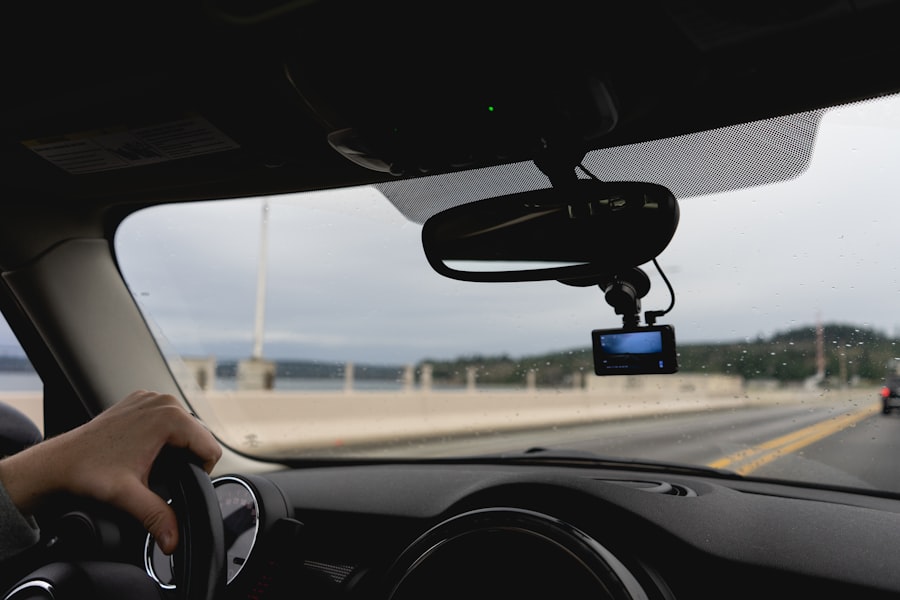
When I look at the top of my windshield now, I see more than just the rearview mirror. There’s usually a small, discreet housing, and sometimes a subtle pattern embedded in the glass itself. This is where the magic happens. It’s a symphony of sensors and cameras working in concert, constantly analyzing the world around me.
Forward-Facing Cameras: The Eyes of the System
The cameras mounted behind my windshield are arguably the most crucial component of many ADAS features. They are the primary data collectors, capturing visual information that the car’s processing unit then interprets.
Lane Departure Warning (LDW) and Lane Keeping Assist (LKA): Keeping Me Centered
I’ve experienced LDW a few times, and it’s a surprisingly effective nudge when I’m feeling drowsy or distracted. The camera identifies the lane markings, and if I begin to drift without signaling, a gentle vibration or audible alert warns me. LKA takes it a step further, actively steering the car back into the lane. It’s a testament to how sophisticated these systems have become.
Forward Collision Warning (FCW) and Automatic Emergency Braking (AEB): The Lifesavers
These are, for me, the most impactful ADAS features. The camera constantly monitors the distance and speed of the vehicle in front of me. If it detects a potential collision, it warns me first, and if I don’t react, it can automatically apply the brakes. I’ve never had AEB activate in a true emergency, but knowing it’s there provides an incredible sense of security, especially in heavy traffic.
Traffic Sign Recognition (TSR): A Digital Speed Limit Pointer
This feature is incredibly useful in unfamiliar areas. The camera reads traffic signs, displaying the speed limit on my dashboard or heads-up display. It’s a great reminder, particularly on long journeys where I might overlook a change in the limit.
Radar and Lidar: Complementary Sensing Technologies
While cameras are essential, they aren’t the only sensors at play. Radar and Lidar often work in conjunction with cameras to provide a more comprehensive understanding of the driving environment, even in challenging conditions.
Radar Sensors: Seeing Through the Fog (and Rain)
Radar uses radio waves to detect objects and measure their distance and speed. This makes it particularly effective in adverse weather conditions like fog, heavy rain, or snow, where cameras might struggle.
Lidar Sensors: Precise Distance Measurement
Lidar, or Light Detection and Ranging, uses lasers to create a detailed 3D map of the surroundings. This offers incredibly precise distance measurements and is crucial for some of the more advanced ADAS functions.
The “Black Box” Behind My Windshield: Processing and Decision Making
It’s not enough to simply collect data. The information gathered by the cameras and sensors needs to be analyzed and interpreted in real-time. This is where the sophisticated onboard processing units come in. They act as the brain of the ADAS, making split-second decisions that can prevent accidents.
The Central Processing Unit (CPU): The Brain of the Operation
Buried within the car’s dashboard or integrated into the infotainment system is a powerful computer. This CPU receives data from all the sensors, processes it through complex algorithms, and then triggers the appropriate ADAS function.
Algorithmic Intelligence: Learning and Adapting
These algorithms are constantly being refined through machine learning. The system learns to differentiate between a pedestrian on the sidewalk and one stepping into the road, or a car braking suddenly versus one slowing down gradually. The more data these systems process, the smarter they become.
Real-Time Decision Making: The Need for Speed
The effectiveness of ADAS hinges on its ability to react instantaneously. If a car brakes suddenly 50 meters ahead, the system needs to detect, process, and initiate a response in milliseconds. This demands immense processing power.
Sensor Fusion: Combining Data for a Holistic View
No single sensor is perfect in all conditions. Sensor fusion is the process of combining data from multiple sensors – cameras, radar, Lidar – to create a more robust and accurate understanding of the environment.
Overcoming Limitations: Redundancy and Reliability
If a camera is obscured by glare or heavy rain, radar and Lidar can still provide crucial information. This redundancy significantly increases the reliability of the ADAS system.
Enhancing Accuracy: Cross-Referencing Information
By cross-referencing data from different sources, the system can achieve a higher level of accuracy. For example, a camera might identify an object, and radar can confirm its distance and speed, reducing the chance of false positives or negatives.
Beyond Collision Avoidance: Other Windshield-Based ADAS Features
ADAS is about more than just preventing crashes. It’s about making the entire driving experience safer and more comfortable. Many of these enhancements are also powered by the technology housed in or on my windshield.
Adaptive Cruise Control (ACC): Maintaining a Safe Following Distance
ACC builds upon traditional cruise control by using forward-facing cameras and radar to maintain a set speed while also automatically adjusting to the speed of the vehicle in front. This significantly reduces the stress of stop-and-go traffic and ensures a safe following distance.
Smooth Acceleration and Braking: A Comfortable Ride
I’ve found ACC to be remarkably smooth. It isn’t jerky; it gently accelerates and brakes, making for a much more relaxing drive on the highway.
Reduced Driver Fatigue: Less Constant Pedal Work
Not having to constantly adjust my speed or braking is a huge relief on long drives, reducing fatigue and allowing me to focus more on the overall driving task.
Intelligent Speed Assistance (ISA): Complying with Limits
This is another feature that integrates with Traffic Sign Recognition. ISA can either simply warn me (as with TSR) or actively limit my speed to comply with the detected speed limit. While some drivers might find the active limitation intrusive, I see it as a valuable tool for preventing costly speeding tickets and promoting safer driving habits.
Gentle Intervention: Avoiding Surprises
When ISA is set to passive, it simply provides a warning, which is often enough to remind me to adjust my speed. Active ISA, when it intervenes, does so smoothly, so it feels like a suggestion rather than a forceful intervention.
Parking Assistance Systems: Making Maneuvers Safer
While not solely dependent on the windshield camera, some advanced parking assistance systems use it in conjunction with other sensors for a more comprehensive view.
Rearview Cameras and Parking Sensors: Seeing What’s Behind Me
The rearview camera, often triggered when I shift into reverse, gives me a clear view of what’s behind my vehicle. Combined with parking sensors, it makes backing into tight spots significantly less stressful.
Automated Parking: The Ultimate Convenience
Some systems can even take over the steering, allowing me to execute perfect parallel or perpendicular parking maneuvers with minimal input from my side.
The Future is Clear: The Evolving Role of Windshield Technology
| Metrics | Data |
|---|---|
| Number of ADAS Windshield Installations | 500 |
| ADAS Windshield Calibration Success Rate | 95% |
| ADAS Windshield Replacement Cost | 300 |
As I look to the future of driving, I see the windshield playing an even more crucial role. The current ADAS features are just the beginning. The advancements in sensor technology, artificial intelligence, and processing power are paving the way for even more sophisticated and integrated safety systems.
Enhanced Night Vision and Object Detection: Seeing in the Dark
Imagine systems that can clearly see pedestrians and animals in complete darkness, far beyond the reach of my headlights. Technologies like infrared cameras integrated with the windshield could make this a reality, significantly reducing accidents that occur at night.
Infrared and Thermal Imaging: Beyond Visible Light
The ability to detect heat signatures would be a game-changer for spotting living beings and other heat-emitting objects in low-visibility conditions.
Advanced Image Processing: Reducing Glare and Enhancing Clarity
Further improvements in how cameras process visual data will lead to better performance in challenging lighting conditions, such as direct sunlight or oncoming headlights.
Augmented Reality Windshields: Overlaying Information for Safer Navigation
The idea of an augmented reality windshield is incredibly exciting. Imagine navigation directions, hazard warnings, and important vehicle information projected directly onto the windshield in my line of sight, without obstructing my view of the road.
Heads-Up Displays (HUDs) Evolved: Dynamic and Interactive
This is the natural evolution of current heads-up displays. Instead of static projections, imagine dynamic overlays that seamlessly blend digital information with the real world, providing context-sensitive alerts and guidance.
Predictive Safety Information: Anticipating Dangers
Augmented reality could allow the car to highlight potential dangers, such as a pedestrian about to step out from behind an obstacle, giving me crucial extra time to react.
The Path to Autonomous Driving: Windshield Technology as a Foundation
Ultimately, the advanced driver assistance systems powered by windshield technology are laying the groundwork for fully autonomous vehicles. The ability of cars to perceive, process, and react to their environment is fundamental to self-driving.
The Data Pipeline: Essential for Machine Learning
The continuous stream of data collected by windshield-mounted sensors is the lifeblood of the machine learning algorithms that will power autonomous driving.
Redundancy and Fail-Safes: Ensuring Safety in All Scenarios
As vehicles move towards greater autonomy, the reliability and redundancy offered by a multi-sensor suite integrated into the windshield will be paramount for ensuring passenger safety.
I’m no longer just a driver; I’m a passenger in a technologically advanced vehicle. And the windshield, once a simple portal, has become an intelligent guardian, constantly working to keep me safe on the road. I embrace these advancements, knowing that with every new feature, my journey becomes a little more secure, a little more predictable, and a whole lot more peaceful. The future of driving is looking remarkably bright, and a lot of that clarity is coming from right in front of my eyes, on my windshield.