

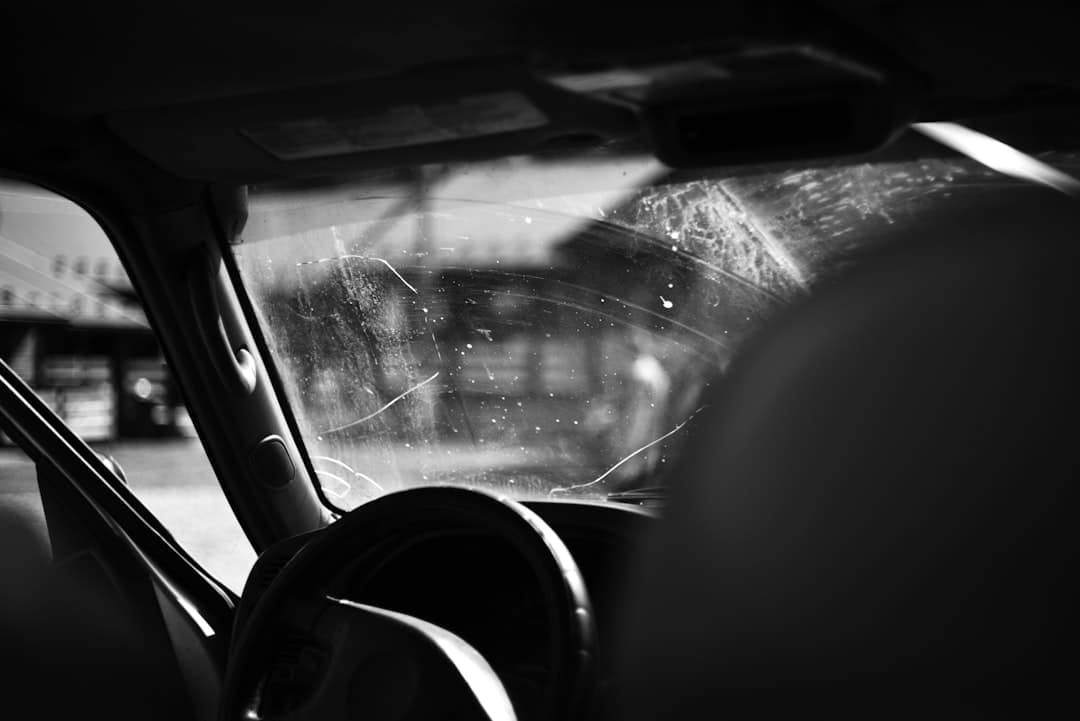

As I navigate the complex landscape of vehicle ownership, one question frequently surfaces, often accompanied by the distinct spiderweb pattern marring my view: “Is a cracked windshield covered under warranty?” It’s a query that delves into the nuanced definitions of what a warranty is designed to protect versus what it isn’t. My research, driven by the desire for clarity, has illuminated the standard industry practices and specific exceptions that dictate how such damage is handled.
The Fundamental Distinction: Warranty vs. Insurance
When I first spotted that unwelcome starburst on my windshield, my immediate thought drifted to my vehicle’s warranty. This is a common reflex, as warranties are often perceived as a comprehensive safety net for all manufacturing-related issues. However, I quickly learned that this perception is often a broad generalization that doesn’t hold true for every component of a car, especially not for glass damage.
The Scope of Factory and Extended Warranties
From my understanding, both factory warranties and extended warranties are meticulously crafted legal documents. Their primary directive is to safeguard against defects stemming from manufacturing processes or premature mechanical failures. Think of them as a protective shield specifically designed to deflect issues arising from the inherent quality of the vehicle itself.
- Focus on Mechanical Integrity: These warranties are fundamentally concerned with the operational aspects of my vehicle. They cover components like the engine, transmission, electrical systems, and other parts crucial for the car’s function and reliability. When my car has an engine misfire due to a faulty sensor, that’s precisely what a warranty is for.
- Exclusion of External Damage: What I’ve consistently found is that these warranties do not, under any standard circumstance, extend to physical damage caused by external forces. A cracked windshield, regardless of how it occurred, is almost always categorized as physical damage. It’s not a malfunction; it’s a consequence of an impact or stress.
My personal takeaway is that a warranty is like a doctor specializing in internal medicine, focusing on what’s happening inside my car, not the bumps and bruises it acquires from the outside world.
Why Windshield Damage Falls Outside Warranty Parameters
The reasoning behind this exclusion is quite logical when I consider the nature of windshield damage. It’s almost invariably the result of an external event, an interaction with the environment.
- Acts of Nature and Road Debris: Whether it’s a rock flicked up by an eighteen-wheeler, a rogue hailstorm, or an unexpected encounter with wildlife, these are all external variables beyond the manufacturer’s control. A manufacturer cannot warranty against the unpredictable actions of the road or the weather.
- Wear and Tear: While a windshield can experience wear over time, leading to pitting or hazing, a distinct crack is usually the sign of an acute incident rather than gradual degradation. Even subtle stress cracks, which I’ll delve into later, are not deemed a manufacturing defect.
Therefore, for me, approaching a dealership with a cracked windshield and expecting warranty coverage would be akin to asking a carpenter to fix a hole in my wall caused by a baseball – it’s simply outside their designated area of responsibility.
Comprehensive Auto Insurance: My Primary Safeguard
Having established what warranties don’t cover, my attention invariably shifts to what does. This is where my auto insurance policy steps in, acting as the steadfast guardian against unforeseen damage. Specifically, comprehensive auto insurance is the cavalry I call upon for windshield damage.
The Broad Umbrella of Comprehensive Coverage
I view comprehensive insurance as a wide-brimmed hat, offering shade and protection from a multitude of non-collision related perils. It’s designed to address damage that isn’t the result of a direct impact with another vehicle or object in a typical driving scenario.
- Non-Collision Events: This is the key differentiator. Comprehensive coverage comes into play for events like:
- Flying Road Debris: The ubiquitous pebble or small rock launched from a passing truck tire – a common culprit for windshield damage.
- Acts of Vandalism: If someone intentionally damages my windshield, comprehensive coverage is my recourse.
- Natural Disasters: Hailstones, falling tree branches during a storm, or other weather-related incidents.
- Animal Collisions: Striking an animal on the road, where the damage is to my vehicle rather than another, is typically covered.
In essence, if the damage to my windshield isn’t from an accident with another vehicle or fixed object, my comprehensive insurance is usually the first place I look for coverage.
The Role of Deductibles and Full Glass Coverage
While comprehensive coverage is invaluable, it often comes with a financial component I need to consider: the deductible.
- The Deductible Threshold: Most comprehensive policies include a deductible, which is the out-of-pocket amount I must pay before my insurance coverage kicks in. If the cost of the windshield repair or replacement is less than my deductible, I’ll be paying for it entirely myself. If it’s more, I pay the deductible, and the insurer covers the rest.
- The Appeal of Full Glass Coverage: Some insurance providers offer an add-on called “full glass coverage” or “zero-deductible glass coverage.” This is particularly attractive to me because it specifically waives the deductible for windshield repairs or replacements. It’s an extra premium, but depending on my driving habits and local road conditions, it can be a worthwhile investment, providing me with peace of mind.
I consider full glass coverage a form of specialized insurance for my windshield, acknowledging its vulnerability and the relatively high cost of replacement.
Collision Coverage: When Accidents Dictate Windshield Repair
While comprehensive coverage handles most errant projectiles and acts of nature, there’s another scenario where my windshield can suffer damage: an actual collision. This is where collision coverage steps in, acting as a different facet of my insurance shield.
Damage Stemming from Accidents
My understanding of collision coverage is that it’s designed to repair or replace my vehicle if it’s damaged in an accident with another vehicle or a stationary object, regardless of who is at fault.
- Impact with Another Vehicle: If I’m involved in a fender bender and my windshield cracks as a direct result of the impact – perhaps from the frame twisting or an object striking it during the crash – collision coverage is what I’d use.
- Striking an Object: Similarly, if I accidentally drive into a lamppost, a fence, or any other object, and my windshield is damaged in that impact, my collision policy would apply.
The key distinction here, for me, is the causal event. If the cracked windshield is a direct consequence of a collision, then collision coverage is the relevant policy section.
The At-Fault Driver’s Liability
In scenarios where another driver is at fault for an accident that damages my windshield, an additional protective layer comes into play: their liability insurance.
- Third-Party Coverage: If another driver is deemed responsible for the collision, their property damage liability coverage should ideally cover the cost of repairing or replacing my windshield, along with any other damage to my vehicle. This means I wouldn’t need to involve my own deductible or policy for the repair.
- Navigating the Claims Process: In such cases, I would typically file a claim against the at-fault driver’s insurance. This can sometimes be a more protracted process, but it’s designed to ensure that the responsible party bears the financial burden.
Therefore, when a crash leads to a cracked windshield, my first thought shifts from my own comprehensive policy to the mechanics of collision claims and, crucially, who is determined to be at fault.
State-Specific Protections and Niche Plans
The general principles of warranty and insurance cover most situations, but I’ve also discovered some interesting state-specific nuances and specialized offerings that can impact how a cracked windshield is handled. These are like localized weather systems that can alter the forecast.
Zero-Deductible States for Windshield Claims
A handful of states stand out for their specific legislation regarding windshield replacement, offering a significant advantage to vehicle owners like myself.
- Notable Examples: States such as Florida, Kentucky, and South Carolina have enacted laws that mandate a waiver of the deductible for windshield claims under comprehensive insurance. This means that if I’m insured in one of these states and my windshield cracks, I can get it repaired or replaced without paying a penny out-of-pocket, assuming I have comprehensive coverage.
- Implications for Vehicle Owners: For me, living in such a state would be a substantial benefit, essentially equating to free windshield repairs, provided the damage falls under comprehensive provisions. It removes the financial barrier that a deductible often presents and encourages timely repairs, which is important for safety.
These state-specific laws are powerful examples of how local regulations can profoundly influence the practical application of insurance policies for something as common as windshield damage.
Tesla’s Unique Windshield Protection Plan
In the realm of electric vehicles, Tesla often charts its own course, and windshield coverage is no exception. They offer a proprietary plan that deviates from traditional insurance structures.
- The Tesla Windshield Protection Plan (WPP): Tesla provides an optional 4-year plan that functions somewhat like an extended warranty specifically for glass. It includes unlimited repairs for minor chips and cracks. Critically, it also allows for one free windshield replacement every 12 months, subject to a $100 deductible for additional replacements within that period.
- A Hybrid Approach: This plan is neither a standard factory warranty nor a traditional insurance policy. Instead, it’s an OEM (Original Equipment Manufacturer)-specific offering designed to address a common pain point for their customers. As a Tesla owner, I would see this as a valuable option, given the potential cost and specialized nature of their windshields.
The Tesla WPP highlights how some manufacturers are choosing to provide additional coverage for components that are frequently damaged but excluded from standard warranties, bridging the gap between typical warranty and insurance offerings.
Aftermarket Solutions and Their Guarantees
Beyond manufacturer plans and traditional insurance, a robust market exists for aftermarket solutions, each with its own set of assurances.
- AutoNation’s Windshield Protection: Companies like AutoNation offer protection plans designed to prevent chips and cracks from escalating. These are often sold at the point of vehicle purchase and act as a proactive measure, aiming to mitigate damage before it becomes more severe. It’s a preventive layer, much like applying a protective film to a phone screen.
- Safelite’s Lifetime Warranty on Repairs: Safelite, a major player in auto glass repair and replacement, often provides a lifetime warranty on their repairs. This means that if a chip they repaired later spreads or the repair itself fails, they will typically honor their work and address the issue at no further cost. This warranty applies specifically to the quality of their service and materials, not the initial damage.
These aftermarket options provide additional layers of protection and peace of mind, though it’s crucial for me to understand the precise scope and limitations of each offering before committing.
Stress Cracks: An Edge Case Explained
Finally, I turn my attention to a specific type of windshield damage that often leads to confusion and falls into a liminal space: stress cracks. These are not caused by direct impact, leading some to mistakenly believe they might be covered by a general warranty.
The Nature of Stress Cracks
Stress cracks, as the name implies, are the result of stresses placed upon the glass. They typically originate from the edge of the windshield and can propagate inward without any apparent point of impact.
- Thermal Expansion and Contraction: A common cause is rapid temperature fluctuation. For example, using an ice scraper on a cold windshield or directing an air conditioner’s cold blast onto a hot windshield can induce enough thermal stress to cause a crack. Similarly, extreme differences in temperature between the interior and exterior of the vehicle can play a role.
- Pressure Points and Imperfections: Subtle pressure points from an improperly installed windshield, frame flex, or even microscopic imperfections within the glass itself can, under certain conditions, act as initiation points for a stress crack.
From my perspective, these cracks are like fault lines in the earth – invisible until a critical pressure point is reached.
Why Stress Cracks Are Not Warrantied
Despite their seemingly spontaneous appearance, stress cracks are almost universally excluded from manufacturer warranties.
- Not a Manufacturing Defect: Manufacturers argue, and I concur based on my research, that stress cracks are not indicative of a defect in the glass quality or the vehicle’s assembly. The glass itself is designed to withstand a certain amount of stress, but extreme or localized stress, particularly thermal stress, can exceed its limits.
- Falls Under Insurance or Out-of-Pocket: Like other forms of windshield damage not caused by a manufacturing defect, stress cracks typically fall under the purview of comprehensive auto insurance. If I have comprehensive coverage, I would file a claim, subject to my deductible. If not, or if my deductible is too high, it becomes an out-of-pocket expense.
My understanding is that while the crack itself might not have an obvious point of impact, the underlying cause is still considered an external or environmental factor, bringing it squarely outside the protective umbrella of a traditional vehicle warranty.
In concluding my exploration, I’ve reinforced my belief that a cracked windshield is overwhelmingly a matter for insurance, not warranty. Warranties safeguard against the internal integrity of my vehicle, while insurance, particularly comprehensive coverage, acts as my shield against the external vicissitudes of the road and environment. Being informed about these distinctions allows me to respond effectively and efficiently when that unwelcome spiderweb inevitably appears, ensuring I navigate the repair process with clarity and confidence.
FAQs
1. Does a cracked windshield typically qualify for repair or replacement under a car warranty?
Most standard car warranties do not cover damage caused by external factors such as road debris or accidents, which includes cracked windshields. Coverage depends on the specific terms of the warranty and whether it includes glass or windshield protection.
2. Can an extended warranty or specific glass coverage plan cover a cracked windshield?
Yes, some extended warranties or separate glass protection plans may cover windshield repairs or replacements. It is important to review the details of the coverage to understand what types of damage are included.
3. What should I do if my windshield cracks while my car is still under warranty?
First, review your warranty documentation to check if windshield damage is covered. Then, contact your dealership or warranty provider to report the issue and inquire about repair or replacement options.
4. Are windshield repairs or replacements covered under a manufacturer’s recall or service campaign?
If the windshield crack is due to a manufacturing defect, it may be covered under a recall or service campaign. However, damage from external causes is generally not covered. Check with the manufacturer or dealer for any active recalls related to the windshield.
5. Will repairing or replacing a cracked windshield affect my car warranty?
Having your windshield repaired or replaced by an authorized service center typically does not void your warranty. However, unauthorized repairs or modifications could potentially impact warranty coverage. Always use approved service providers.