


It’s a familiar, gut-wrenching sound. That sharp ping followed by a tell-tale crack spreading across my windshield. I’ve been there. Many times, in fact. It’s always a surprise, always inconvenient, and often, a source of significant anxiety. Whether it’s a rogue pebble from a passing truck, a piece of debris kicked up on the highway, or even a sudden temperature change, windshield damage is an almost inevitable part of car ownership. When it happens, my first thought is usually, “What do I do now?” It’s a question I’ve grappled with repeatedly, and through those experiences, I’ve learned a great deal about dealing with this common automotive woe. This isn’t just about a cosmetic issue; it’s about my safety, the integrity of my vehicle, and my wallet. So, I want to share what I’ve figured out, hoping to make your own encounters with cracked glass a little less daunting.
When that initial impact occurs, it’s easy to panic and assume the worst. My immediate instinct is often to scrutinize the damage, trying to gauge its severity. But understanding what’s actually happening to my windshield is key to making informed decisions. It’s not just a sheet of glass; it’s a complex piece of safety equipment.
The Anatomy of My Windshield
I’ve come to appreciate that my windshield isn’t a single pane of glass. It’s actually a laminated sandwich. There are two layers of automotive-grade glass, and sandwiched between them is a layer of polyvinyl butyral (PVB) plastic. This interlayer is crucial. It’s what holds the glass together if it breaks, preventing dangerous shards from flying into the cabin. This laminated structure is what makes windshields safer than older, monolithic glass designs. When I see a chip or a crack, I’m seeing damage to the outer layer of glass, and potentially the PVB layer as well.
Common Types of Windshield Damage
Over the years, I’ve encountered a few recurring culprits.
Chips: The Tiny Terrors
These are usually the first sign of trouble. A small circular or star-shaped pit in the glass, often caused by a rock or debris. They seem insignificant at first, but I’ve learned they are the most common starting point for larger problems.
Cracks: The Spreading Scars
These are far more alarming. They can originate from a chip or be caused by significant impact. The longer I leave them, the more likely they are to spread, especially with temperature fluctuations and road vibrations. I’ve seen cracks grow from a few inches to across my entire field of vision in a matter of weeks, or even days.
Pit Marks: The Blurring Annoyances
These are small, shallow indentations that, while not compromising the structural integrity of the glass, can accumulate dirt and grime, creating distracting glare and reducing visibility, especially at night or in bright sunlight.
Spiderweb Cracks: The Network of Destruction
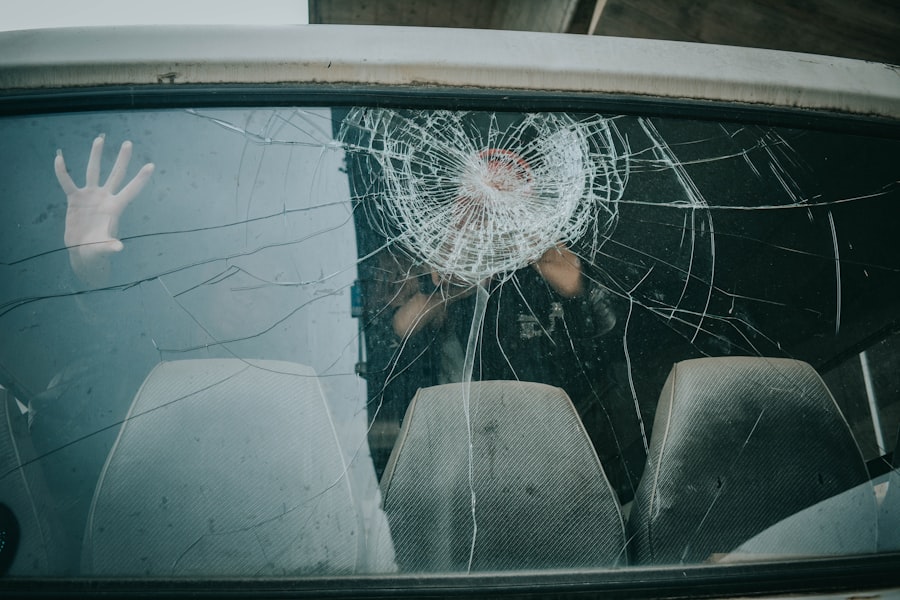
These are a series of interconnected cracks radiating from a central impact point. They look menacing and can severely compromise the windshield’s strength.
Why Early Detection and Action Are Crucial
My biggest mistake early on was downplaying minor damage. I’d think, “It’s small, it’s out of my direct line of sight, I can deal with it later.” That’s a dangerous mindset. I’ve learned the hard way that even a seemingly minor chip can quickly escalate into a major problem.
The Structural Integrity of My Vehicle
I realize now that the windshield plays a vital role in my car’s structural integrity. In a frontal collision or rollover, the windshield acts as a crucial support for the roof. A damaged windshield is significantly weaker and less able to perform this life-saving function. This thought alone is enough to make me take any damage seriously.
Preventing Further Damage and Cost
This is where I really focus. Small chips can often be repaired with a resin injection. This process is relatively inexpensive and quick. However, if that chip spreads into a crack, the only option is usually a full windshield replacement, which is significantly more costly. I also find that by addressing damage early, I avoid the stress and potential danger of my windshield failing at an inopportune moment.
Maintaining Visibility and Safety
My primary responsibility when I’m driving is to see the road clearly. A damaged windshield, even with small chips or cracks, can create distortions, glare, and blind spots. This can impede my ability to react to hazards, judge distances, and ultimately, put myself and others at risk. I’ve experienced how glare from a damaged area can be blinding in certain lighting conditions, making me realize how important clear vision is.
Repair vs. Replacement: Making the Right Choice
This is the big decision I always face. When I see damage, my mind immediately jumps to the options. Is it fixable, or do I need a whole new windshield? The answer often depends on several factors, and I’ve learned to ask myself some specific questions.
The Size and Depth of the Damage
This is usually the first criterion.
Chips Under a Quarter in Size:
If the chip is roughly the size of a quarter or smaller, and not too deep, it’s generally a prime candidate for repair. The repair process involves cleaning the damaged area and injecting a special resin that cures under UV light, bonding the glass and preventing further spreading.
Cracks Less Than Six Inches Long:
Similarly, short cracks, typically under six inches, that haven’t reached the edge of the windshield and aren’t too deep can often be repaired. The technique is similar to chip repair, but requires more care to ensure the resin penetrates the entire crack.
Damage Reaching the Edge:
If the damage, whether a chip or a crack, extends to the edge of the windshield, it’s almost always a sign that a repair is no longer viable. The edge is a critical structural point, and damage there compromises the entire integrity of the glass.
Multiple Impact Points:
Even if individual chips are small, if there are numerous impact points close together, the structural integrity can be compromised, making replacement the safer option.
The Location of the Damage
Where the damage is located on my windshield is just as important as its size.
Direct Line of Sight:
If the damage is directly in my driver’s line of sight, even if it’s small, it can be a significant distraction and impair my vision. Many regulations require clear visibility for safe driving, so even a repair might not be sufficient if it leaves a visual distortion.
Areas Affecting Sensor Functionality:
Modern cars are equipped with various sensors, such as rain sensors and cameras for advanced driver-assistance systems (ADAS), which are often mounted on or behind the windshield. Damage in these areas can interfere with their proper functioning, rendering safety features unreliable. I’ve had to consider this with my newer car, as sensor recalibration is often necessary after a windshield replacement.
Proximity to Other Damage:
If a chip is close to an existing crack or another chip, the stress on the glass is amplified, making repair less effective and replacement more likely.
The Type of Damage
As I mentioned earlier, the shape and nature of the damage are key.
Bulls-eye and Star Breaks:
These types of chips, where the glass is pushed upwards, are generally repairable if they are within the size and location parameters.
Combination Breaks:
These are a mix of chip and crack damage, and their repairability depends on the extent of both.
Long, Single Cracks:
These are often problematic, especially if they start to spread. The longer the crack, the more difficult it is to ensure a successful and durable repair.
The Process of Windshield Repair
When I’ve decided that repair is the best option, I’ve found the process to be surprisingly quick and effective. It’s a much less intrusive and far more economical solution than a full replacement.
The Tools of the Trade
The technician performing the repair uses specialized equipment.
The Drill:
A tiny drill bit is used to clean out debris from the impact point, ensuring a clean surface for the resin to adhere to.
The Injector Tool:
This is a vacuum and pressure device that is attached to the windshield over the damaged area. It’s crucial for removing all air from the void and then injecting the specialized resin under pressure.
The Resin:
This is a clear, durable acrylic resin that is formulated to match the refractive index of glass. It’s formulated to be strong and resistant to UV light, so it doesn’t yellow or degrade over time.
The UV Curing Lamp:
Once the resin is injected and the void is filled, a UV lamp is used to cure the resin, hardening it and creating a strong bond.
What to Expect During a Repair Appointment
My experience has been consistent.
Cleaning the Area:
The technician will first thoroughly clean the damaged area to remove any dirt, dust, or moisture.
Drilling the Impact Point:
A small hole is carefully drilled into the center of the chip or the origin of the crack. This is to allow the resin to penetrate effectively.
Injecting the Resin:
The injector tool is attached, creating a seal over the damage. The technician will then create a vacuum to draw out air and moisture, followed by injecting the resin under pressure. This ensures the resin fills the void completely.
Removing Air Bubbles:
The process involves several cycles of vacuum and pressure to draw out any remaining air bubbles that could weaken the repair.
Curing the Resin:
The resin is then cured using a UV light. This process hardens the resin and creates a strong, invisible bond.
Polishing and Finishing:
Finally, the excess cured resin is scraped away, and the area is polished to a smooth finish.
The Windshield Replacement Guide
| Location | Number of Damages | Severity |
|---|---|---|
| Front Windshield | 235 | Cracked |
| Rear Windshield | 78 | Chipped |
| Side Windshield | 112 | Shattered |
When repair isn’t an option, I know it’s time for the bigger ticket item: replacement. This is a more substantial undertaking, but getting it done correctly is essential for my safety and the longevity of my vehicle.
When Replacement is Necessary
As I’ve outlined, there are clear indicators that replacement is the only viable solution.
Extensive Cracking:
If the cracks are long (over six inches), run to the edge of the windshield, or are extensive (like a spiderweb), replacement is almost always necessary.
Structurally Compromised Glass:
If the damage affects the structural integrity of the windshield, such as multiple impacts or deep pitting that weakens the glass, replacement is paramount.
Driver’s Line of Sight Impairment:
Any damage that significantly obstructs the driver’s view, even if it’s theoretically ‘repairable’ by some standards, often necessitates replacement for safety reasons.
Damage to ADAS Sensors:
If the damage is in an area that houses or affects the calibration of advanced driver-assistance systems (ADAS) cameras or sensors, replacement and recalibration are essential.
Choosing the Right Replacement Glass
This is an area where I’ve learned to be diligent. Not all windshields are created equal.
OEM vs. Aftermarket:
Original Equipment Manufacturer (OEM) glass is made by the same company that manufactured the glass for my car when it was new. It’s generally considered the highest quality and is guaranteed to fit perfectly and meet all safety specifications. Aftermarket glass is made by third-party manufacturers. While often more affordable, the quality can vary significantly. I always try to get OEM glass if my budget allows, or at least from a reputable aftermarket supplier with good reviews.
Glass Features:
I’ve started paying attention to the specific features of replacement glass. Does my car have a rain sensor, a heating element, or a specific tint? I need to ensure the replacement glass matches these features to maintain the full functionality of my vehicle.
The Installation Process:
This is arguably the most critical aspect of windshield replacement. The installer’s skill and the quality of the adhesive used are paramount.
The Importance of Proper Adhesion:
The adhesive used to bond the windshield to the car’s frame is a critical safety component. It’s what seals the cabin from the elements and contributes to the structural integrity of the vehicle. A poor installation can lead to leaks, wind noise, and, most dangerously, the windshield detaching in an accident.
Skilled Technicians Matter:
I always look for reputable shops with experienced technicians who are certified in windshield replacement. I check reviews and ask for recommendations. A good technician will ensure the frame is clean and free of rust, the adhesive is applied correctly, and the windshield is properly positioned and sealed.
Curing Time:
After installation, there’s a crucial curing time for the adhesive. I need to be aware of the manufacturer’s recommended drive-away time and any restrictions on driving, such as avoiding car washes or bumpy roads for a period. Rushing this process can compromise the integrity of the installation.
Dealing with Insurance and Warranty Claims
This is often the part I dread most. Navigating insurance claims can be a bureaucratic maze. However, knowing what to expect has made it a much less painful process.
Understanding My Insurance Policy
The first thing I do is pull out my insurance policy documents and carefully read the section on glass coverage.
Comprehensive Coverage:
Most comprehensive auto insurance policies include coverage for windshield damage. This usually covers the cost of repair or replacement, often with a lower deductible than for other types of damage, or sometimes with no deductible at all for repairs.
Deductibles:
I need to know what my deductible is for glass claims. Some policies have a separate, lower deductible specifically for windshields. If the repair cost is less than my deductible, I’ll likely pay out-of-pocket.
Claims Process:
I familiarize myself with my insurance company’s specific claims process for windshield damage. This usually involves reporting the damage, potentially getting an estimate from an approved repair shop, and then having the claim processed.
Making a Claim: Step-by-Step
Over the years, I’ve developed a routine for making claims.
Document Everything:
As soon as I notice damage, I take clear photos or videos of it. These are invaluable for the insurance claim. I also note the date and time of the damage if I know it.
Contact My Insurance Company:
I call my insurance provider as soon as possible to report the incident. They will guide me through their specific claim process.
Get an Estimate:
My insurance company may direct me to an approved repair facility or ask me to get an estimate from a shop of my choice. I make sure the estimate clearly details the type of damage, whether it’s a repair or replacement, and the cost.
Authorize Repair/Replacement:
Once the claim is approved, I authorize the repair or replacement. I often choose a shop recommended by my insurance company as it can streamline the process.
Understand Subrogation:
If the damage was caused by another driver’s negligence (e.g., debris falling from their truck), my insurance company might pursue subrogation against the at-fault party’s insurance to recover the costs.
Manufacturer Warranties
Beyond insurance, I always check if my vehicle’s manufacturer warranty offers any coverage for glass damage. While less common for chips and cracks caused by road debris, it’s always worth inquiring, especially for any defects in the original installation if the windshield is relatively new.
Dealing with windshield damage is never a pleasant experience, but by understanding the mechanics of my windshield, the importance of timely action, the nuances of repair versus replacement, and the processes for insurance claims, I can approach these situations with more confidence and less stress. My windshield is more than just a piece of glass; it’s a critical component of my safety, and treating it as such ensures I stay safe on the road.