


When it comes to off-road vehicles, a cracked or damaged windshield isn’t just an inconvenience – it’s a safety hazard and a major buzzkill for your adventure. Replacing your traditional glass windshield with a durable Lexan alternative is often the smarter, tougher choice for going off-pavement. Lexan, a brand name for polycarbonate, offers significantly higher impact resistance than glass, meaning it’s far less likely to shatter when faced with flying rocks, branches, or even an accidental rollover. This isn’t just about avoiding a hefty repair bill; it’s about staying safe and keeping your focus on the trail, not on dodging fragments.
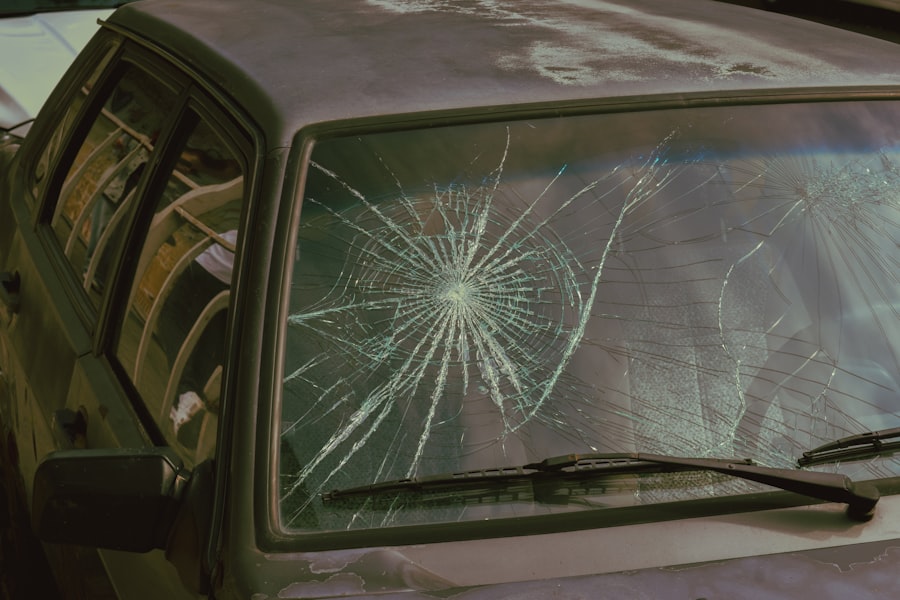
Standard automotive glass, while perfectly functional for road driving, simply isn’t built for the rigors of off-roading. The forces involved – impacts from debris, body flex, and potential rollovers – put immense stress on glass, often leading to spiderweb cracks or complete shatters. Lexan, on the other hand, is engineered to shrug off these kinds of abuses.
Understanding Lexan’s Superiority
Lexan, fundamentally, is a type of polycarbonate. It’s a thermoplastic polymer known for its outstanding toughness. Think of it like this: if glass is brittle and shatters under pressure, Lexan is more like a very hard plastic that flexes and absorbs impact.
- Impact Resistance: This is Lexan’s superpower. It’s hundreds of times stronger than glass. You can hit it with a hammer, and while it might dent or scratch, it’s highly unlikely to shatter like glass would. For off-roaders, this means significantly reduced risk of windshield failure from trail hazards.
- Weight Savings: Lexan is considerably lighter than glass. This might not seem like a huge deal for a single component, but every pound saved on an off-road rig contributes to better power-to-weight ratio, improved suspension performance, and potentially better fuel economy – however marginal.
- Flexibility: Unlike rigid glass, Lexan has some inherent flexibility. This allows it to absorb impacts and vibrations without immediately failing, which is a huge advantage when your vehicle is articulating over uneven terrain.
Common Misconceptions About Lexan
While Lexan is fantastic for off-road use, it’s not without its own characteristics, and some common myths persist.
- “Lexan Scratches Easily”: Older generations of Lexan did scratch more readily than glass. However, modern automotive-grade Lexan windshields come with advanced hard coatings that significantly improve scratch resistance, bringing them much closer to glass in terms of durability against minor abrasions.
- “Lexan Yellows Over Time”: Again, older or lower-quality polycarbonate could suffer from UV degradation, leading to yellowing. Reputable manufacturers use UV-stabilized Lexan and apply UV-protective coatings to prevent this, ensuring clarity for years.
- “Lexan is Only for Race Cars”: While widely used in motorsports for its safety and weight benefits, Lexan is becoming increasingly popular for recreational off-roaders, side-by-sides, and UTVs due to its practical advantages.
Choosing the Right Lexan Windshield for Your Rig
Not all Lexan windshields are created equal. Just like any other aftermarket part, there’s a range of quality, thickness, and features available. Making an informed choice is crucial for optimal performance and longevity.
Lexan Thickness and Coatings
The thickness of your Lexan windshield plays a significant role in its durability and impact resistance.
- Thickness Matters: For serious off-roading, you’ll generally want Lexan thicknesses ranging from 1/4 inch (6mm) to 3/8 inch (9.5mm). Thinner Lexan might be suitable for lighter applications or less extreme use, but for heavy-duty protection against significant impacts, thicker is better.
- Hard Coatings: This is perhaps the most critical factor after thickness. A good hard coating is what gives Lexan its scratch resistance and UV protection.
- Single-Sided Coating: Offers protection on the exterior surface. Acceptable for lighter use, but the interior can still scratch.
- Double-Sided Coating: Provides protection on both the interior and exterior. This is highly recommended for off-road vehicles where internal debris or even wiping with a dirty cloth can cause scratches. Look for coatings like “hard-coated AR” (abrasion-resistant) or equivalent.
Pre-Cut vs. Custom-Fit
You’ve essentially got two routes when it comes to getting your Lexan windshield.
- Pre-Cut Kits: Many popular off-road vehicles have companies that produce pre-cut Lexan windshields designed specifically for their make and model. These are generally easier to install as they’re shaped to fit directly into your existing frame or mounting points.
- Pros: Easier installation, often come with mounting hardware, designed for specific vehicles.
- Cons: Less customization, might not be available for all obscure builds.
- Custom-Cut Sheets: If you have a highly modified vehicle, a custom build, or an older/less common model, you might need to purchase a sheet of Lexan and have it custom cut and fitted.
- Pros: Perfect fit for unique applications, complete control over dimensions.
- Cons: Requires precise measurement and cutting skills (or professional help), potentially more time-consuming.
Tinting and Other Features
Just like glass, Lexan can come with various features.
- Tinting: Light tinting can reduce glare, which is incredibly helpful on bright, sunny trails. Ensure any tinting doesn’t impede visibility or violate local regulations.
- Ventilation Options: Some Lexan windshields for UTVs and side-by-sides might integrate vents or even a fold-down design for airflow. This is less common for full-sized vehicle windshields but worth considering for smaller off-roaders.
- Wiper Compatibility: If you plan on using wipers, ensure the Lexan and its coating are designed to withstand repeated wiping without premature wear or scratching. Some advanced coatings are specifically formulated for this.
The Installation Process: What to Expect

Replacing a windshield, even with Lexan, involves some work. While a professional installation is always an option, many off-roaders are comfortable tackling this themselves, especially for pre-cut kits.
Preparing for Installation
Proper preparation makes the installation much smoother and helps prevent damage to your new windshield or vehicle.
- Gather Your Tools: You’ll likely need a utility knife, pry tools, appropriate adhesives/sealants (if applicable), mounting hardware (often included with kits), clean rags, and cleaning solutions.
- Safety First: Wear appropriate safety glasses and gloves, especially when dealing with sharp edges or adhesives.
- Remove the Old Windshield: Carefully remove the old glass windshield. This can be tricky, as glass can break unpredictably. Be prepared for potential shattering and clean up any shards thoroughly. If it’s bonded in, you’ll need a wire cutting tool or similar.
Mounting Methods
How your Lexan windshield is installed depends heavily on your vehicle and the product you’ve chosen.
- Bolt-On Systems: Many off-road Lexan windshields and panels are designed to bolt directly to the roll cage or existing frame. This is a common and robust method.
- Drilling: You might need to drill holes in the Lexan or your vehicle’s frame. Take precise measurements and use appropriate drill bits (slow speed, pilot holes) to avoid cracking or melting the Lexan.
- Rubber Grommets/Washers: Always use rubber grommets or washers between the Lexan and any metal bolts or mounting points. This helps absorb vibration, prevents stress points that could cause cracking, and allows for slight expansion/contraction.
- Adhesive/Sealant Bonding: Similar to automotive glass, some Lexan installations might use polyurethane automotive adhesive/sealant. This creates a strong, watertight bond.
- Primer: Many polyurethane adhesives require a specific primer on both the Lexan and the vehicle’s frame for proper adhesion. Don’t skip this step.
- Curing Time: Allow adequate curing time for the adhesive before driving the vehicle, as per the manufacturer’s instructions.
Tips for a Smooth Installation
A few pointers can save you headaches during installation.
- Test Fit Everything: Before you drill any holes or apply any adhesive, dry-fit the Lexan windshield to ensure it sits correctly and all mounting points align.
- Don’t Overtighten: If bolting, tighten fasteners snugly but do not overtighten. Over-torquing can create stress points in the Lexan, leading to cracks later on. The rubber grommets should allow some give.
- Seal Properly: Ensure all gaps are sealed to prevent dust, water, and air leaks. Use automotive-grade sealants that are compatible with Lexan.
Maintaining Your Lexan Windshield
While incredibly durable, Lexan does require a slightly different approach to cleaning and maintenance compared to glass to ensure its longevity and clarity.
Cleaning Lexan Properly
This is where many people make mistakes, leading to unnecessary scratches.
- Avoid Abrasive Cleaners: Never use glass cleaner containing ammonia, abrasive pads, or harsh chemical solvents (like acetone, benzene, or gasoline) on Lexan. These can damage the hard coating and potentially fog or degrade the Lexan itself.
- Use Mild Soap and Water: The best way to clean Lexan is with warm water and a mild, non-abrasive soap (like dish soap or baby shampoo).
- Soft Cloths Only: Use a very soft, clean microfiber cloth or a soft sponge. Never use paper towels or rough cloths, as they can scratch the surface, even with a hard coating.
- Rinse Thoroughly: Before wiping, spray or rinse off loose dirt and debris. This prevents you from rubbing abrasive particles across the surface.
- Dry Gently: Gently blot dry with another clean, soft microfiber cloth to prevent water spots.
Repairing Minor Scratches
Despite the hard coatings, minor scratches can still occur.
- Polishing Kits: For very light surface scratches, there are specialized Lexan polishing kits available. These typically involve a very fine abrasive paste and a soft applicator. Follow the instructions carefully, and remember that this is for surface scratches, not deep gouges.
- Professional Help: For deeper scratches or significant damage, it’s often best to consult with a professional who specializes in polycarbonate repair or replacement.
Protecting Your Investment
A little proactive care goes a long way.
- Protective Films: Consider applying a clear protective film (like paint protection film or specific windshield protection film) over your Lexan. These films are sacrificial and can be replaced if they get heavily scratched, preserving the underlying Lexan.
- Proper Storage: When storing your off-road vehicle, especially uncovered, consider using a cover that protects the windshield from prolonged sun exposure and airborne debris.
- Vehicle Washing: When washing your entire vehicle, pay extra attention around the Lexan windshield. Avoid high-pressure washers directly on the Lexan, especially near seals or edges, as this can force water in or damage the coating.
Legal and Safety Considerations
| Vehicle Type | Replacement Frequency | Cost |
|---|---|---|
| ATV | Every 1-2 years | Varies |
| UTV | Every 2-3 years | Varies |
| Off-road Truck | Every 3-5 years | Varies |
While Lexan offers significant advantages, it’s important to be aware of any legal or safety implications, depending on where and how you use your vehicle.
Road Legal vs. Off-Road Use
This is a critical distinction.
- Off-Road Only: For vehicles used exclusively off-road (UTVs, side-by-sides, dedicated trail rigs), Lexan is almost universally accepted and even preferred for safety.
- Street Legal Vehicles: If your off-road vehicle is also street legal and driven on public roads, using Lexan as a windshield replacement can be a grey area.
- DOT Approval: Most jurisdictions require windshields on road-going vehicles to be DOT (Department of Transportation) approved. Glass windshields typically meet this standard by being “laminated safety glass.” Lexan, while safer in terms of shattering, often does not carry a DOT stamp for windshield use.
- Visibility Standards: There may also be specific requirements for optical clarity and light transmission that certain Lexan products might not meet (though high-quality, clear Lexan usually performs well here).
- Check Local Laws: Before replacing a street-legal vehicle’s glass windshield with Lexan, thoroughly research your local and state vehicle regulations. You might find it’s only permissible for secondary off-road “race” windshields, or it could be entirely illegal for primary use on public roads.
Occupant Safety
Beyond the legal aspect, consider overall occupant safety.
- Shatter Resistance: As discussed, Lexan’s primary safety benefit is its shatter resistance, which greatly reduces the risk of sharp fragments in the cabin during an impact or rollover.
- Optical Clarity: Ensure your chosen Lexan provides excellent, distortion-free optical clarity. Any distortion can lead to driver fatigue and potentially impact reaction times. Hard coatings also reduce the risk of obscuring scratches.
- Wiper Compatibility and Visibility in Bad Weather: If you plan to drive in rain or mud, a Lexan windshield that is compatible with wipers and maintains clear visibility is paramount. Some coatings perform better under these conditions.
Ultimately, choosing a durable Lexan windshield for your off-road vehicle is a practical decision that blends enhanced safety with robust performance. By understanding the material, selecting the right product, installing it correctly, and maintaining it properly, you’ll be geared up for many more adventures with a clear, tough view of the trail ahead. Just remember to double-check those on-road legalities if your rig ever sees asphalt.