



Is your box truck’s windshield cracked or completely busted? You’re probably wondering how quickly and painlessly you can get it fixed so you can get back on the road. The good news is, efficient box truck windshield replacement services are readily available, designed to minimize your downtime and keep your operations moving. Typically, a qualified technician can replace a box truck windshield in about 1-2 hours, though the adhesive needs additional time to cure before the truck is safe to drive.
Box trucks, also known as cube vans or straight trucks, are workhorses of the transportation industry. Their windshields are often different from those in standard passenger vehicles, demanding specialized attention for replacement.
Unique Characteristics of Box Truck Windshields
Unlike the curved, often sleeker windshields of cars, box truck windshields tend to be larger, flatter, and thicker. This is because they need to offer a wider field of view for the driver and withstand the rigors of commercial use. The glass itself is usually laminated safety glass, meaning it’s two layers of glass bonded together with a plastic interlayer, designed to hold together even when shattered.
Why Specialization Matters
You wouldn’t ask a general practitioner to perform brain surgery, right? The same principle applies to windshield replacement. Box truck windshields often require specific tools, larger glass sheets, and technicians trained in handling commercial vehicle glass. An unqualified technician might not install the windshield correctly, leading to leaks, wind noise, or even the windshield detaching during an accident – all serious safety hazards.
The Urgency of Windshield Replacement
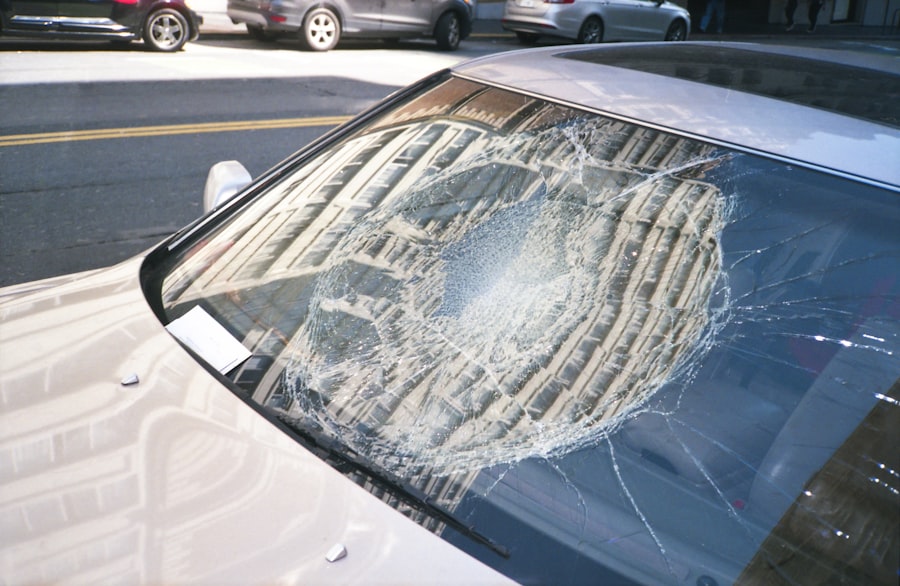
A damaged windshield isn’t just an aesthetic issue; it’s a significant safety and operational concern, especially for a commercial vehicle. Ignoring a chip or crack can lead to bigger, more expensive problems down the line.
Safety Implications
Your windshield is a critical safety component. It provides structural integrity to the cabin, helps the airbags deploy correctly, and, most obviously, offers a clear view of the road. A crack can expand rapidly, obstructing the driver’s vision or even causing the entire windshield to shatter unexpectedly, especially when hitting a bump or pothole. Furthermore, compromised structural integrity makes the truck less safe in the event of a rollover or collision.
Legal and Compliance Risks
Operating a box truck with a damaged windshield can lead to fines, citations, and even having your vehicle taken out of service. Regulatory bodies like the Department of Transportation (DOT) have strict guidelines regarding windshield damage for commercial vehicles. A crack or chip in the driver’s line of sight is usually an automatic failure during an inspection. This can lead to costly delays and impact your operating authority.
Operational Downtime and Efficiency
Every minute your box truck is off the road is money lost. A small chip that could have been repaired in 30 minutes can grow into a full-blown crack requiring hours for replacement. Proactive replacement minimizes extended downtime and keeps your delivery schedules on track. Plus, a clear windshield helps drivers operate more efficiently and safely, reducing fatigue and the risk of accidents caused by impaired vision.
Choosing the Right Service Provider
Not all glass shops are created equal, especially when it comes to commercial vehicles. Selecting a reputable and experienced provider is crucial for a successful and lasting repair or replacement.
Experience with Commercial Vehicles
Look for companies that explicitly advertise their experience with box trucks, semi-trucks, and other commercial vehicles. Ask them how often they work on these types of vehicles and if they have specialized tools and training for larger windshields. An experienced technician will be familiar with the proper sealing techniques and specific adhesive requirements for heavy-duty applications.
Mobile Service Availability
For box trucks, mobile service is often a lifesaver. Instead of driving a potentially unsafe vehicle to a shop and losing valuable hours, a mobile technician can come to your yard, warehouse, or even roadside location. This significantly reduces downtime and logistical headaches. Inquire about their service area and what they need to perform a replacement on-site (e.g., a flat, protected space).
Quality of Materials and Workmanship
Don’t compromise on glass quality. Reputable providers use OEM (Original Equipment Manufacturer) or OE (Original Equipment) equivalent glass. This ensures the glass meets the same safety and quality standards as the original windshield. Inquire about their warranty on both the glass and the installation. A good warranty reflects confidence in their materials and workmanship.
The Box Truck Windshield Replacement Process
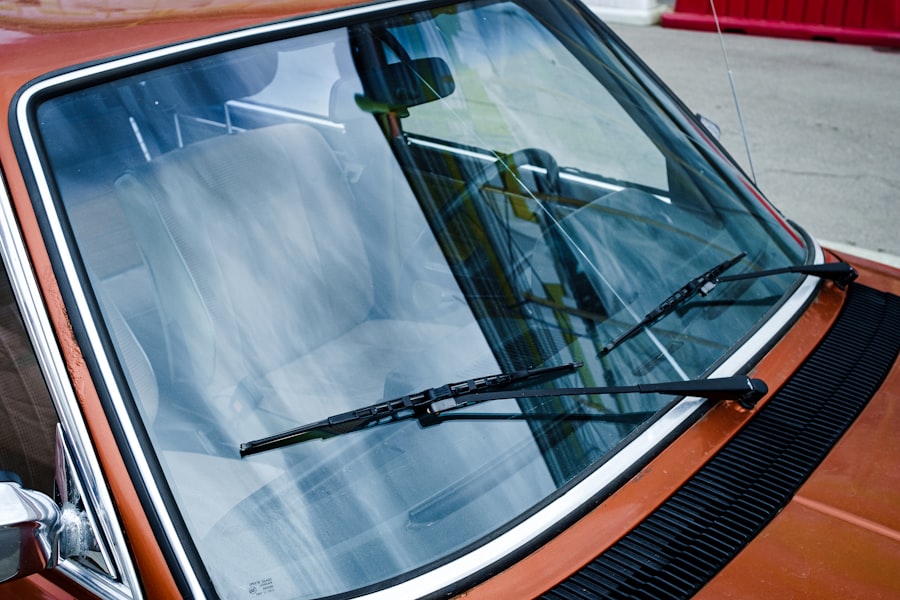
Understanding what happens during a windshield replacement can help you prepare and know what to expect. While the specifics might vary slightly by provider, the core steps remain consistent.
Initial Assessment and Preparation
Once you contact a service provider, they’ll typically ask for information about your truck’s make, model, and year to ensure they order the correct glass. Upon arrival, the technician will thoroughly inspect the damaged windshield and the surrounding area. They’ll protect your truck’s interior and exterior with coverings to prevent damage or staining during the process.
Removing the Old Windshield
This is a delicate but crucial step. The technician will carefully cut through the old adhesive (urethane) using specialized tools. These tools allow them to separate the old windshield from the truck’s frame without damaging the paint, bodywork, or the pinchweld (the metal flange where the windshield rests). Proper removal ensures a clean surface for the new adhesive.
Pinchweld Cleaning and Priming
After the old windshield is out, the pinchweld must be meticulously cleaned. Any old adhesive, dirt, or rust can compromise the bond of the new windshield. The technician will remove all debris and then apply a specialized primer. This primer is essential; it aids in adhesion, prevents rust, and ensures a strong, watertight seal between the glass and the truck’s frame. Skipping or rushing this step is a common cause of windshield leaks.
Applying New Adhesive and Installing the New Windshield
Once the pinchweld is prepped, a fresh bead of automotive-grade urethane adhesive is applied to the frame. The new windshield is then carefully lifted and positioned onto the adhesive bead. This usually requires two technicians for larger box truck windshields to ensure precise placement and avoid air bubbles or uneven setting. The technician will apply even pressure to ensure a secure and flush fit.
Post-Installation Procedures and Curing Time
After installation, the technician will often tape down the edges of the windshield to help hold it in place while the adhesive cures. They will then provide you with critical instructions regarding the “drive-away time.” This is the minimum time the adhesive needs to cure sufficiently to be safe for driving. For most modern urethanes used in commercial applications, this can range from 1 to 3 hours, but it’s crucial to follow the technician’s specific recommendation. Driving too soon can lead to the windshield shifting, leaks, or even detachment in a severe incident. They will also advise against washing the truck, slamming doors, or traveling over rough terrain for the first 24-48 hours to allow for full cure.
Cost Considerations and Insurance
| Metrics | Data |
|---|---|
| Number of box truck windshields replaced | 150 |
| Average time for replacement | 2 hours |
| Cost of replacement | 300 |
| Customer satisfaction rate | 95% |
Understanding the financial aspect of windshield replacement is important for budgeting and making informed decisions.
Factors Influencing Cost
Several elements contribute to the total cost:
- Make and Model of the Truck: Different box truck brands and models have varying windshield sizes and complexities, which affects glass cost.
- Type of Glass: OEM glass is typically more expensive than aftermarket options, though often recommended for quality and fit.
- ADAS Calibration: If your box truck has Advanced Driver Assistance Systems (ADAS) like lane departure warnings or automatic emergency braking that rely on cameras mounted on the windshield, these systems may require recalibration after replacement. This is a specialized process and adds to the overall cost, but it’s crucial for the safety and functionality of these features.
- Mobile Service vs. Shop Visit: While convenient, mobile service might sometimes have a slight upcharge for travel, though the time savings often outweigh this.
- Labor Rates: These vary based on geographic location and the complexity of the job.
Working with Your Insurance Company
Most commercial auto insurance policies cover windshield replacement, often with a deductible. It’s wise to contact your insurance provider before committing to a service.
- Check Your Coverage: Understand your deductible for glass claims and if there are any specific providers they prefer or require.
- Direct Billing: Many reputable glass shops can directly bill your insurance company, simplifying the claims process for you.
- Avoid Cash-Only Deals: While sometimes attractive, be wary of cash-only deals that seem too good to be true, as they might indicate shortcuts in materials or workmanship, which could void your insurance or lead to future problems.
Maintaining Your New Windshield
Once your box truck has a fresh, clear windshield, a little care can go a long way in preserving its longevity and clarity.
Regular Cleaning and Inspection
Keep your windshield clean using appropriate glass cleaner and soft cloths. Avoid abrasive materials that can scratch the glass. Routinely inspect your windshield for new chips or cracks, especially after long hauls or driving on gravel roads. Often, small chips can be repaired before they escalate into larger, more costly cracks.
Proper Wiper Blade Usage
Replace your wiper blades annually, or sooner if they show signs of streaking or chattering. Worn blades can scratch the glass and reduce visibility. Never run wipers on a dry windshield; always use washer fluid or water.
Addressing Small Chips Promptly
If you notice a small chip (typically smaller than a quarter), address it immediately. Many such chips can be repaired quickly and affordably with resin injection, preventing them from spreading and saving you the cost of a full replacement. Delaying this can allow dirt and moisture to get into the chip, making a repair more difficult or impossible.
By understanding the unique aspects of box truck windshields, prioritizing safety and compliance, and choosing an experienced service provider, you can ensure your fleet stays on the road safely and efficiently. An efficient box truck windshield replacement means more than just a new piece of glass; it means maintaining your operational integrity and protecting your drivers and cargo.