

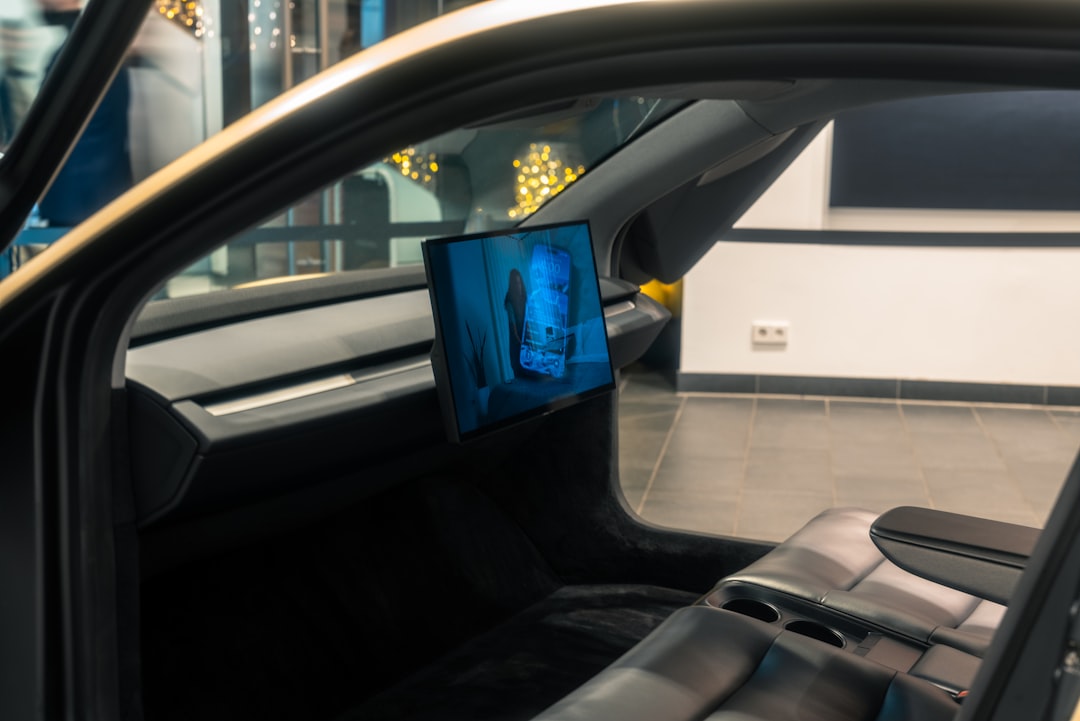

When your commercial fleet needs auto glass repair or replacement, getting it done efficiently isn’t just about convenience – it’s about keeping your business moving. Delays mean downtimew, lost revenue, and potential safety risks. The key to efficient service lies in choosing the right provider who understands the unique demands of fleet operations and has systems in place to minimize disruptions.
For businesses relying on their vehicles, a broken windshield or side window isn’t just a nuisance; it’s a critical operational issue. Every hour a vehicle is out of commission can have a significant ripple effect.
Impact on Delivery Schedules
- Missed Deadlines: Whether you’re delivering packages, food, or construction materials, a sidelined vehicle can lead to missed delivery windows, unhappy customers, and potential penalties.
- Logistical Headaches: Rerouting existing vehicles or finding substitute transportation can be a complex and costly endeavor, disrupting planned routes and schedules.
Safety and Compliance Concerns
- Driver Vision Impairment: Cracks, chips, or shattered glass directly impact a driver’s ability to see clearly, drastically increasing accident risk.
- Legal Requirements: Many jurisdictions have strict laws regarding windshield damage. Operating a vehicle with compromised auto glass can lead to fines and, in some cases, removal from service.
- DOT and OSHA Regulations: For certain commercial vehicles, maintaining auto glass integrity is a direct compliance issue, and failure to do so can result in serious legal and financial consequences.
Financial Implications
- Lost Revenue: Every day a vehicle sits idle is a day it’s not generating income. This direct loss can quickly add up, especially for larger fleets.
- Increased Operating Costs: Expedited repairs, rental vehicles, and overtime for other drivers to cover routes all contribute to unexpected expenses that eat into profit margins.
- Insurance Premiums: Frequent claims for auto glass damage, especially if they are linked to prolonged downtime, might eventually influence your fleet’s insurance rates.
Key Features of an Efficient Fleet Auto Glass Service
Not all auto glass providers are created equal, especially when it comes to serving commercial fleets. Look for specific attributes that demonstrate their understanding of fleet needs.
Mobile Service Capabilities
- On-Site Repair/Replacement: The ability to perform repairs or replacements directly at your depot, job site, or even a driver’s location drastically cuts down on vehicle unavailability. You eliminate the travel time to and from a repair shop.
- Fully Equipped Vans: A truly mobile service comes with everything needed: specialized tools, a wide range of glass inventory, and power sources, making the repair process self-sufficient.
- Scheduling Flexibility: Efficient mobile services can often work outside standard business hours, allowing repairs to happen during off-peak times or overnight, further reducing operational impact.
Extensive Inventory and Sourcing
- Diverse Glass Stock: A good provider will have access to a vast inventory of various auto glass types, including specialized commercial vehicle glass (e.g., laminated, tempered, heated, specific tints) for different makes and models.
- Quick Sourcing for Specialized Glass: For less common vehicles or highly specialized glass, they should have established relationships with suppliers to source parts quickly, avoiding long waits.
- Quality Standards: The glass used should meet or exceed OEM (Original Equipment Manufacturer) specifications to ensure proper fit, safety, and durability. Using subpar glass can lead to repeated issues.
Streamlined Communication and Scheduling
- Dedicated Fleet Contact: Having a single point of contact or a dedicated fleet support team can simplify scheduling, invoicing, and problem-solving. This avoids bouncing between different departments.
- Online/App-Based Scheduling: Modern providers offer user-friendly online portals or apps where fleet managers can easily submit service requests, track appointments, and view service history.
- Proactive Updates: Receiving timely notifications about technician arrival, service completion, and any potential delays helps fleet managers plan more effectively.
Experienced Technicians
- Commercial Vehicle Specialization: Auto glass installation on commercial vehicles, especially heavy-duty trucks or specialized equipment, often requires different techniques and knowledge than passenger vehicles. Technicians should be specifically trained in this area.
- Safety Protocols: Technicians should adhere to strict safety protocols, both for themselves and for the vehicle, ensuring the repair is completed without further damage or issues.
- ADAS Calibration Knowledge: With Advanced Driver-Assistance Systems (ADAS) becoming standard, many windshield replacements require recalibration of cameras and sensors. Technicians must be trained and equipped to perform this critical step accurately.
Favorable Fleet Pricing and Billing
- Volume Discounts: Businesses with multiple vehicles should expect competitive pricing structures, potentially including volume discounts on parts and labor.
- Consolidated Billing: Simplified billing that groups multiple services onto a single invoice can significantly reduce administrative overhead for fleet managers.
- Direct Insurance Billing: The ability to handle direct billing with various insurance carriers streamlines the claims process and reduces out-of-pocket expenses for the fleet.
Proactive Strategies for Fleet Auto Glass Management

Beyond reactive repairs, smart fleet managers adopt proactive measures to minimize auto glass issues.
Regular Vehicle Inspections
- Pre-Trip Checks: Encourage drivers to perform quick visual inspections of windshields and windows before each shift, looking for new chips or cracks.
- Scheduled Maintenance Reviews: Incorporate auto glass checks into your routine vehicle maintenance schedule. Catching a small chip early can prevent it from turning into a larger, more costly crack.
- Damage Reporting Protocols: Establish a clear and easy process for drivers to report any glass damage immediately upon discovery.
Chip Repair Program
- Early Intervention: Educate drivers and managers that small chips (typically smaller than a quarter) can often be repaired quickly and affordably, preventing them from spreading and requiring a full windshield replacement.
- Cost Savings: Chip repairs are significantly cheaper and faster than replacements, saving both money and downtime.
- Maintaining Original Seal: A repair preserves the original factory seal of the windshield, which is generally stronger than a replaced seal.
Driver Education and Awareness
- Following Distance: Remind drivers that maintaining adequate following distance helps reduce the risk of rocks and debris kicked up by other vehicles from hitting their windshields.
- Parking Practices: Where possible, advise drivers to park in areas less prone to vandalism or falling objects.
- Reporting Protocol Reminders: Periodically reinforce the importance of immediate damage reporting to ensure swift action.
What to Ask a Prospective Fleet Auto Glass Provider

When evaluating potential service providers, having a list of targeted questions can help you gauge their suitability for your fleet’s needs.
Service Capabilities
- “Do you offer mobile auto glass service for commercial vehicles, and what’s your typical response time for mobile repairs?”
- “What types of commercial vehicles do you service (e.g., light-duty vans, heavy-duty trucks, construction equipment, specialized vehicles)?”
- “Can you handle ADAS calibration after a windshield replacement, and is that included in the service?”
- “What are your typical hours of operation for fleet services?”
Inventory and Parts
- “How extensive is your inventory of commercial vehicle glass, and how quickly can you source specialized or less common parts?”
- “Do you use OEM-equivalent or OEM glass, and what are the differences in terms of quality and warranty?”
- “What is your warranty policy on both the glass and the installation?”
Pricing and Billing
- “Do you offer specific fleet pricing or volume discounts?”
- “What is your process for insurance claims, and do you handle direct billing with most major providers?”
- “Can you provide consolidated invoicing for our entire fleet?”
- “Are there any hidden fees or additional charges we should be aware of?”
Support and Logistics
- “Will we have a dedicated account manager or point of contact for our fleet?”
- “Do you offer an online portal or system for scheduling and tracking service requests?”
- “What are your communication protocols for scheduling updates and service completion?”
- “What geographic areas do your mobile services cover?”
The Efficiency Payoff
| Metrics | 2019 | 2020 | 2021 |
|---|---|---|---|
| Number of Fleet Vehicles Serviced | 500 | 600 | 700 |
| Percentage of Fleet Vehicles with Glass Repairs | 15% | 18% | 20% |
| Average Repair Time (in hours) | 2 | 2.5 | 2.3 |
| Customer Satisfaction Rate | 90% | 92% | 95% |
Investing time in selecting an efficient commercial fleet auto glass service isn’t an optional expense; it’s a strategic decision that directly impacts your bottom line. A partner that understands fleet dynamics will deliver swift, reliable, and high-quality service, minimizing vehicles out of action, ensuring driver safety, and protecting your operational flow. By focusing on mobile capabilities, comprehensive inventory, skilled technicians, and streamlined processes, you can transform a potential headache into a smooth, managed aspect of your fleet’s maintenance.