


I recently found myself staring at an unsightly crack marring the otherwise pristine surface of my windshield. This wasn’t a minor chip, but a distinct line, spiderwebbing slightly at one end. Each time I drove, my eye gravitated towards it, a constant reminder of its presence and a potential hazard. This personal experience propelled me into a concentrated effort to understand the nuances of efficient windshield crack repair, not just for my own benefit but to share the insights I’ve gathered. My research involved delving into the mechanics of the repairs, understanding the materials used, and evaluating the various options available to car owners like myself.
Before addressing repair, it’s crucial to comprehend what precisely constitutes a windshield and the nature of the damage it sustains. A car windshield is not a single pane of glass. It is a sophisticated, safety-critical component comprised of multiple layers designed to withstand significant impact and protect occupants.
Laminated Safety Glass: A Protective Sandwich
My research confirmed that modern windshields are made from laminated safety glass. This construction involves two layers of glass, typically tempered, sandwiching a layer of polyvinyl butyral (PVB). The PVB interlayer is what gives laminated glass its incredible strength and its ability to hold together even when shattered. When a crack occurs, it primarily affects the outer layer of glass, though severe impacts can compromise the inner layer as well. The PVB layer prevents the glass from shattering into dangerous shards, instead holding the fragments in place. This layered design is why a small crack can be repaired, as the structural integrity of the entire windshield system is often maintained, despite the visible damage to the outer pane. The type of crack, its depth, and its location all play a significant role in determining repairability.
Distinguishing Chips, Cracks, and Stars
I learned that not all windshield damage is created equal, and precise terminology helps in discussing the problem accurately. A “chip” is typically a small impact point, often caused by a flying pebble, resembling a small crater. A “crack” is a linear break in the glass, which can originate from a chip or a stress point. “Star breaks” are a type of chip where several small cracks radiate outwards from a central impact point, resembling a star. These distinctions are not merely semantic; they fundamentally influence the repair process. Chips, particularly those less than an inch in diameter, are generally the easiest to repair. Longer cracks, while often repairable, require more skill and specialized equipment. The precise nature of the damage guides the technician’s approach, influencing the type of resin used and the specific techniques employed to ensure an effective repair.
The Science Behind Windshield Crack Repair
The repair process, at its core, is a meticulous application of polymer science and pressure. It involves injecting a specialized resin into the damaged area, then curing it to restore the glass’s integrity and optical clarity. This process is far more sophisticated than simply filling a gap.
Specialized Resins and Their Properties
The resins utilized in windshield repair are not ordinary adhesives. They are optically clear, UV-curable acrylic or epoxy resins formulated to have a refractive index very close to that of glass. This property is paramount because it allows the cured resin to blend seamlessly with the surrounding glass, making the repair virtually invisible once complete. These resins are designed to penetrate the smallest fissures and bond firmly to the glass, effectively sealing the crack and preventing it from spreading. I discovered that different viscosities of resin are used depending on the type and size of the crack. Thin resins are ideal for fine cracks, while thicker resins are better suited for larger chips or divots. The quality of the resin directly impacts the long-term durability and aesthetic outcome of the repair. A low-quality resin might yellow over time, or fail to adhere properly, leading to the crack reappearing or even worsening.
The Injection and Curing Process
The repair typically begins with a thorough cleaning of the damaged area to remove any debris or moisture. This step is critical; any foreign matter within the crack will compromise the resin’s adhesion and the repair’s optical clarity. Next, a specialized vacuum pump or injector is used to create a vacuum within the crack. This vacuum draws out air and moisture, allowing the resin to flow deeply into every part of the damaged area. Once the vacuum is released, pressure is then applied to force the resin into the microscopic capillaries of the crack. This step can be repeated several times to ensure complete penetration. Finally, ultraviolet (UV) light is used to cure the resin. The UV light initiates a chemical reaction that hardens the resin, creating a strong, durable bond with the glass. The curing time varies depending on the type of resin and the intensity of the UV light, but it typically takes only a few minutes. I learned that proper curing is essential; under-cured resin will remain tacky and weak, while over-curing can sometimes lead to brittleness.
When Repair is the Preferable Option
Deciding whether to repair or replace a windshield is a crucial decision, influenced by factors such as cost, time, and environmental considerations. For many common types of damage, repair presents significant advantages.
Cost-Effectiveness and Time Savings
From a pragmatic standpoint, repairing a windshield crack is almost always more cost-effective than replacing the entire windshield. The materials and labor involved in a repair are significantly less extensive. Furthermore, a repair can often be completed in a relatively short amount of time, sometimes as little as 30 minutes, allowing me to resume my daily activities without significant disruption. In contrast, a full windshield replacement can take several hours and often requires recalibration of advanced driver-assistance systems (ADAS), adding to the complexity and cost. My insurance provider also confirmed that repairing a crack is often covered with no deductible, whereas replacement typically involves paying a deductible, highlighting the financial prudence of opting for repair when possible.
Maintaining Original Factory Seal and ADAS Integrity
One of the most compelling arguments for repair pertains to the integrity of the original factory seal. When a windshield is replaced, even by skilled technicians, there is a risk of compromising the original factory bond between the windshield and the car’s frame. This bond is designed to be incredibly strong and contributes significantly to the vehicle’s structural rigidity, particularly in a rollover accident. Repairing a crack leaves this original seal undisturbed. Furthermore, modern vehicles are equipped with sophisticated Advanced Driver-Assistance Systems (ADAS), such as lane departure warnings, automatic emergency braking, and adaptive cruise control. These systems often rely on cameras and sensors mounted on or behind the windshield. A windshield replacement frequently necessitates recalibrating these ADAS systems, a specialized and often expensive procedure that must be performed precisely to ensure the safety features function correctly. Repair avoids this need for recalibration, preserving the factory settings of these critical safety systems.
Identifying What Can and Cannot Be Repaired
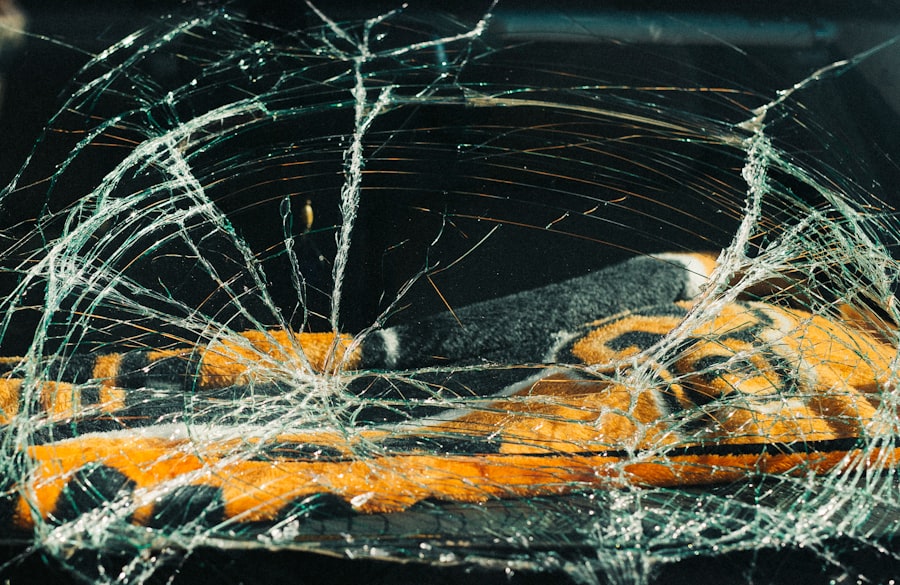
While repair is often the optimal choice, it’s not a universal solution. Certain types of damage, locations, and severities necessitate full windshield replacement. Understanding these limitations is vital for making an informed decision about my vehicle’s safety.
Size and Type of Damage Limitations
As a general guideline, chips larger than a quarter or cracks longer than about 6 inches are often unsuitable for repair. The larger the damaged area, the more difficult it becomes for the resin to penetrate completely and for the repair to achieve satisfactory optical clarity and structural integrity. Complex crack patterns, such as extensive spiderwebs or multiple overlapping cracks, are also typically beyond the scope of a reliable repair. While a skilled technician might attempt to repair larger damage, the success rate and long-term durability may be compromised. The goal of repair is to restore the windshield’s structural integrity and improve visibility; if these cannot be achieved reliably, replacement is the safer course of action. I often rely on the expertise of the repair technician to provide an accurate assessment of repairability.
Location of the Damage: The Critical Zone
The location of the crack is another critical factor. Damage directly in the driver’s line of sight, often referred to as the “critical viewing area,” is generally not recommended for repair, regardless of its size. Even a perfectly executed repair might leave a slight distortion or haze that could obstruct the driver’s vision, creating a safety hazard. Regulatory standards and safety considerations often dictate stricter criteria for damage in this zone. Additionally, cracks that extend to the edge of the windshield, particularly within an inch or two of the frame, are also usually unrepairable. These “edge cracks” are often under significant stress and tend to spread quickly due to the tension in the glass. Repairing them is problematic because the resin may not bond effectively to the edge, and the crack is highly prone to propagating further, potentially compromising the entire windshield.
My Steps Towards a Clear View
| Metrics | Data |
|---|---|
| Crack Length | 5 inches |
| Repair Time | 30 minutes |
| Repair Cost | 50 |
| Customer Satisfaction | 90% |
Having immersed myself in understanding the intricacies of windshield repair, I feel far better equipped to address the specific crack on my own vehicle. My personal experience has driven me to not only seek a repair but to advocate for well-informed decisions among other car owners.
Seeking Professional Assessment
My first concrete step was to consult with reputable windshield repair professionals. I avoided generic auto shops and sought out specialists who primarily deal with glass repair and replacement. This ensured that the technicians I spoke with possessed the specific expertise and equipment required for accurate assessment and effective repair. They would be able to accurately identify the type, size, and location of the damage on my windshield, and based on their assessment, recommend whether repair was a viable and safe option. Their professional opinion, grounded in experience and industry standards, would be invaluable in making the correct decision. I understood that a proper assessment is not just about making a repair recommendation; it is also about ensuring the safety and long-term integrity of my vehicle’s windshield.
Prioritizing Timely Repair
A recurring theme in my research was the importance of timely repair. While the initial appearance of a crack might not seem urgent, waiting significantly increases the risk of the crack spreading. Temperature fluctuations, road vibrations, and even washing the car can cause a small crack to lengthen and worsen, quickly moving it from a repairable state to one requiring full replacement. Moisture and dirt can also ingress into the crack over time, making a successful repair more challenging and potentially compromising the optical clarity of the repair. Therefore, as soon as I noticed the crack, I prioritized getting it assessed and repaired. This proactive approach not only saved me money but also ensured that I maintained the highest level of safety and visibility while driving. My commitment to a clear view is unwavering, and addressing this crack efficiently is a key component of that commitment.