



Ensuring Accuracy: The Importance of ADAS Sensor Calibration
As a driver navigating the modern automotive landscape, I’ve become increasingly aware of the sophisticated systems working behind the scenes to enhance my safety and driving experience. These are the Advanced Driver-Assistance Systems, or ADAS, and they represent a significant leap forward in how we interact with our vehicles. From adaptive cruise control that smoothly adjusts speed to radar and lidar systems that detect potential hazards, ADAS technologies are designed to make driving smarter, safer, and ultimately, more autonomous. However, the efficacy of these advanced systems hinges entirely on one critical, often overlooked, element: the accuracy of their sensors. This is where ADAS sensor calibration becomes paramount.
For me, understanding ADAS calibration isn’t just about technical jargon; it’s about my personal safety and that of everyone on the road. When I decide to get my car serviced, or if it experiences even a minor incident that might affect its alignment or sensor positioning, the concept of calibration immediately springs to mind. It’s not a luxury; it’s a necessity. The sensors, whether they’re cameras mounted on the windshield, radar units hidden in the bumper, or lidar scanners peeking out from the grille, are essentially the eyes and ears of my car. If these sensors are misaligned or their data is skewed, the ADAS features they control will be unreliable, potentially leading to dangerous situations.
In this article, I want to delve into why ADAS sensor calibration is so crucial, exploring the various types of sensors involved, the reasons calibration becomes necessary, and the meticulous processes that ensure their accuracy. I believe that by shedding light on this essential aspect of modern vehicle maintenance, we can collectively foster a greater appreciation for the technology that surrounds us and a commitment to its proper upkeep.
My car, like many others now, is equipped with a suite of sensors that work in concert to provide ADAS capabilities. These sensors are not all the same; they utilize different technologies to perceive the world around my vehicle, each contributing unique data to the central processing unit. Understanding the function of each type of sensor is key to appreciating why their precise alignment and calibration are so vital.
Cameras: The Visual Detectors
The cameras are arguably the most visually obvious sensors. I’ve seen them integrated into the rearview mirror housing or tucked away discreetly at the top of my windshield. Their primary role is to interpret the visual scene, much like my own eyes. They are responsible for recognizing lane markings, traffic signs, pedestrian silhouettes, and other vehicles. The data they gather is crucial for features like Lane Departure Warning, Lane Keeping Assist, and Automatic Emergency Braking (AEB) when the system relies on visual identification of obstacles.
Windshield-Mounted Cameras
These are the workhorses of visual ADAS. Their fixed position on the windshield means that any shift in the glass’s angle, or even the replacement of the windshield itself, can throw off their field of vision. My car manufacturer emphasizes the importance of recalibrating these cameras after any windshield work, and I understand why.
Surround-View Cameras
Some vehicles, including mine, offer a 360-degree view of the car’s surroundings, achieved through multiple cameras strategically placed around the body. These cameras stitch together a composite image, proving invaluable for parking and maneuvering in tight spaces. If one of these cameras is slightly out of alignment, the perceived distances and shapes of obstacles can be distorted, leading to misjudgments.
Radar: The Distance and Speed Masters
Radar sensors, often found integrated into the front and rear bumpers, or behind the grille, operate using radio waves. These waves are transmitted and then bounce off objects, returning to the sensor. By analyzing the time it takes for the waves to return and the frequency shift, the radar can accurately determine the distance, speed, and even the direction of other vehicles and large objects.
Long-Range Radar
These systems are designed to detect objects at significant distances, crucial for adaptive cruise control and forward collision warning. Their ability to “see” far ahead is directly dependent on their precise aiming. A slight deviation can mean missing a slowing vehicle or misjudging its speed.
Short-Range Radar
Often used for blind-spot monitoring and rear cross-traffic alert, these sensors cover the immediate periphery of the vehicle. Their accuracy in detecting nearby objects is essential for preventing side-swipe collisions or incidents when reversing.
Lidar: The Precision Scanners
Lidar (Light Detection and Ranging) sensors emit pulses of laser light and measure the time it takes for them to return after reflecting off an object. This provides highly accurate, three-dimensional mapping of the environment. While less common as standalone ADAS sensors in all vehicles compared to cameras and radar, lidar is increasingly integrated, especially in more advanced systems and self-driving development, offering unparalleled detail in object detection and ranging.
Rotating vs. Solid-State Lidar
I’ve learned about different lidar technologies. Rotating lidar units, often seen protruding from vehicle roofs or integrated into specialized sensor pods, provide a 360-degree scan. Solid-state lidar, which uses no moving parts, is more compact and can be integrated more seamlessly into vehicle designs. Regardless of the type, their precise angular measurement is critical for accurate spatial mapping.
Ultrasonic Sensors: The Close-Quarters Experts
These sensors use sound waves to detect objects at very close range. They are most commonly associated with parking assistance systems, helping me avoid bumping into curbstones or other vehicles during low-speed maneuvers. They work by emitting ultrasonic pulses and measuring the time they take to return after bouncing off nearby objects.
Parking Sensors
I’ve become reliant on the audible and visual cues from my parking sensors. Their accuracy in indicating the proximity of obstacles is a direct result of their precise placement and calibration. Even a small misalignment can lead to false alarms or, worse, a failure to detect an object within striking distance.
When Accuracy Falters: Reasons for ADAS Sensor Recalibration
The sophisticated nature of ADAS sensors means they are also susceptible to factors that can degrade their performance over time. It’s not a one-time setup; it’s an ongoing process of ensuring their continued accuracy. For me, knowing when and why recalibration is needed is paramount to maintaining the safety features I trust.
Post-Collision Events: The Most Obvious Trigger
This is the most straightforward reason. If my vehicle has been involved in an accident, no matter how minor, it’s highly probable that one or more ADAS sensors have been affected. Even a fender-bender can subtly shift the mounting points of radar units or cameras, leading to misalignment. My insurance policy and the repair shop’s recommendations always include a thorough ADAS sensor check and calibration following any collision.
Minor Bumper Damage
I’ve seen it happen. A low-speed impact, a parking lot mishap, or even hitting a rogue shopping cart can cause bumper misalignment. This might seem trivial, but if a radar sensor is housed within that bumper, its aim can be thrown off significantly. The consequences can range from inaccurate adaptive cruise control to false AEB activations.
Windshield Replacement: A Common Culprit
This is a very frequent reason for recalibration, especially for cameras. Modern windshields often house advanced sensors for ADAS. When a windshield is replaced, the calibration of these sensors is almost always disturbed. This is not merely a recommendation; it’s a critical step to restore functionality. I’ve heard stories of drivers experiencing issues with their lane keep assist or automatic high beams immediately after a new windshield installation, all because of a missed calibration.
Suspension and Alignment Issues: The Indirect Impact
While not directly affecting the sensors themselves, significant changes to my vehicle’s suspension or wheel alignment can indirectly impact ADAS sensor accuracy, particularly for cameras that rely on a stable, level reference point.
Wheel Alignment Adjustments
If my wheels are out of alignment, the orientation of my vehicle relative to the road surface changes. Cameras that rely on detecting lane markings as a stable reference point can be misled by this altered viewpoint. Similarly, systems that use the vehicle’s forward direction as a baseline for sensor readings can become inaccurate.
Suspension Modifications or Damage
Any work done on the suspension, whether it’s a repair or a deliberate modification, can alter the vehicle’s ride height and posture. This change in elevation can affect the angle at which sensors, particularly forward-facing cameras and radar units, perceive their environment.
Routine Maintenance and Software Updates: Proactive Measures
Sometimes, recalibration isn’t triggered by an obvious event but by routine maintenance or software updates. Manufacturers continually refine their ADAS systems through software updates, and these updates can sometimes necessitate sensor recalibration to ensure optimal performance with the new software.
Manufacturer-Recommended Service Intervals
My car’s service manual often includes recommendations for ADAS system checks. These periodic checks can include verifying sensor alignment and performing calibration if any drift is detected, even if no visible issues are present. It’s a proactive approach to maintaining safety.
Software Updates and ADAS Performance
When my car’s software is updated, it’s not just about entertainment or infotainment. These updates can impact the complex algorithms that process sensor data. To ensure these algorithms work as intended with the new software, a recalibration might be required to re-familiarize the system with the precise positioning of its sensors.
Environmental Factors and Wear and Tear: The Gradual Shift
Over time, even without major incidents, subtle shifts in sensor positioning can occur due to continuous vibration, temperature fluctuations, and general wear and tear.
Vibrations and Road Conditions
The constant vibrations from driving on various road surfaces can, over time, cause minute shifts in the mounting of sensors and cameras. While individual shifts might be imperceptible, they can accumulate and eventually affect the precision of the ADAS.
Temperature Fluctuations and Component Aging
Extreme temperature changes can cause materials to expand and contract, potentially leading to slight changes in the positioning of sensor assemblies. As components age, their internal calibration can also drift.
The Calibration Process: A Meticulous Approach to Accuracy
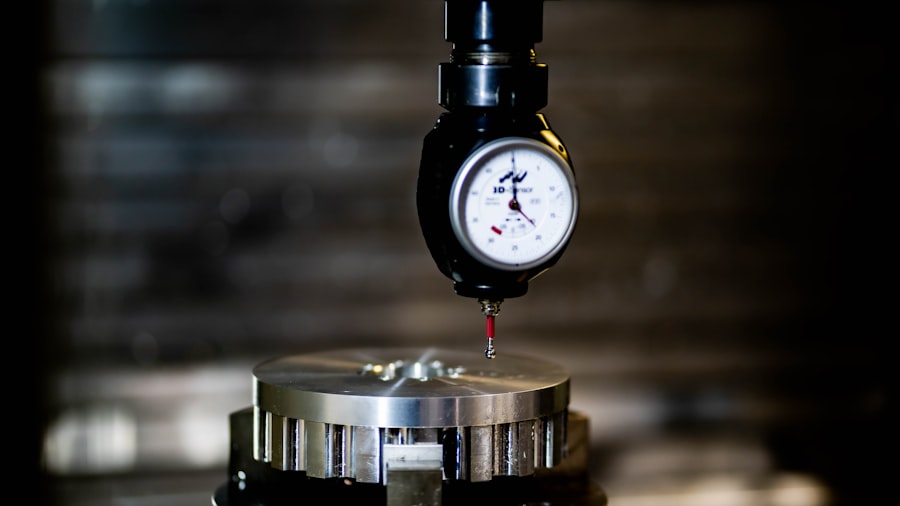
The process of ADAS sensor calibration is far from a simple adjustment. It requires specialized equipment and a controlled environment to ensure the sensors are accurately reading their surroundings. I’ve learned that there are two primary methods, each suited to different scenarios.
Static Calibration: The Controlled Environment Approach
Static calibration is the more common method and is typically performed in a controlled workshop environment. It involves aligning the vehicle with specific targets and using specialized diagnostic tools. This method is essential for ensuring the sensors are correctly oriented relative to the vehicle’s known position and the road ahead.
Workshop Setup and Equipment
For static calibration, my service center will often use a dedicated bay with precisely marked lines and targets. These targets are designed to accurately simulate lane markings, the edges of the road, and potentially other vehicles at specific distances. I’ve seen sophisticated camera rigs and laser alignment tools used.
Alignment to Targets and Vehicle Position
The vehicle is positioned precisely in front of these targets. The calibration software guides the technician, instructing them on how to adjust the vehicle’s position, or sometimes the sensor mounts themselves, until the cameras and radar systems accurately perceive the targets as they are meant to. It’s like teaching the car to see the world in its intended way.
Software-Driven Adjustments
The calibration process is heavily reliant on specialized diagnostic software. This software interfaces with the vehicle’s ADAS control modules. It analyzes the data from the sensors as they observe the calibration targets and guides the technician through the necessary adjustments until the system reports it is within tolerance.
Dynamic Calibration: On-the-Road Fine-Tuning
Dynamic calibration is performed while the vehicle is in motion and is often used for certain types of sensors or as a complementary step to static calibration. It involves driving the vehicle under specific conditions and allowing the ADAS to learn and adapt.
Driving with Calibration Software Engaged
For dynamic calibration, I might be instructed to drive the vehicle on a road with clear lane markings at a specific speed for a certain duration. The ADAS system, with the calibration software active, actively processes the sensor data from real-world driving conditions.
Real-World Data Acquisition
This method allows the ADAS to learn from actual driving scenarios, adjusting its internal parameters based on how the sensors perceive the road, other vehicles, and ambient conditions. It’s particularly useful for fine-tuning radar and camera systems that rely on detecting dynamic objects and environmental cues.
Specific Conditions and Requirements
Dynamic calibration often requires specific road conditions – well-marked lanes, minimal traffic, and specific speed ranges. This ensures that the data collected is consistent and reliable for the calibration process. A poorly maintained road or heavy traffic could skew the results.
The Consequences of Neglect: Why Ignorance Isn’t Bliss
Ignoring the need for ADAS sensor calibration can have serious repercussions, affecting not only my vehicle’s functionality but, more importantly, my safety and the safety of others. I believe it’s crucial to understand that ignoring this maintenance is a direct risk.
Compromised Safety Features: The Most Dire Outcome
The primary purpose of ADAS is to enhance safety. If the sensors are not calibrated, these features simply won’t work as intended, or worse, they could malfunction.
False Alerts and Ineffective Interventions
When sensors are out of calibration, they might trigger false alerts, like a constant collision warning when there’s no imminent danger. Conversely, they might fail to detect a real hazard altogether, rendering features like AEB useless in a critical moment. I recall hearing about instances where a misaligned camera caused a lane departure warning to activate erratically, leading to driver distraction.
Incorrect Speed and Distance Readings
Adaptive cruise control systems rely on precise radar readings of the vehicle ahead. If these readings are skewed, the car might brake too abruptly, accelerate too late, or maintain an unsafe following distance, creating a dangerous situation for both myself and other drivers.
Increased Risk of Accidents: The Direct Correlation
It’s a logical progression: compromised safety features directly translate to an increased risk of accidents. The systems designed to prevent collisions can, through neglect, become a contributing factor to them.
Lane Departure and Collision Scenarios
Imagine my car nudging into another lane because the lane departure warning wasn’t accurately detecting the markings, or finding myself in the path of another vehicle because the forward collision warning failed to activate. These are not theoretical; they are real-world risks.
Parking and Low-Speed Incidents
Even at low speeds, uncalibrated parking sensors can lead to minor fender-benders, costly repairs, and unnecessary stress. If these systems aren’t accurately reporting proximity, I might misjudge distances, leading to impacts.
Costly Repairs and Inconvenience: The Financial and Logistical Impact
While safety is paramount, the financial and logistical implications of neglecting ADAS calibration are also significant.
Misdiagnosis and Extended Repair Times
If ADAS systems are malfunctioning due to calibration issues, technicians might spend valuable time attempting to diagnose complex software or hardware problems, when the root cause is a simple alignment issue. This leads to longer repair times and increased labor costs.
Recurring Issues and Further Damage
If a calibration issue isn’t identified and rectified, it can lead to a cycle of recurring problems. Furthermore, a malfunctioning ADAS system could potentially cause stress on other vehicle components, leading to further damage and more extensive repairs down the line.
The Future is Calibrated: Embracing a Culture of ADAS Maintenance
| Sensor Type | Calibration Frequency | Calibration Process |
|---|---|---|
| Camera | Every 6 months | Manual calibration by trained technician |
| Radar | Every 12 months | Automated calibration using specialized equipment |
| Lidar | Every 6 months | Combination of manual and automated calibration |
As ADAS technology continues to evolve and become more sophisticated, the importance of sensor calibration will only grow. My understanding of this process has shifted from a niche technical detail to a fundamental aspect of responsible vehicle ownership.
The Evolution of ADAS and Calibration Needs
I’ve seen how quickly ADAS features are advancing, from basic cruise control to semi-autonomous driving capabilities. With this increased complexity comes a greater reliance on the accuracy of every sensor. Future systems, with more layers of sensing and decision-making, will undoubtedly require even more rigorous and frequent calibration.
Increased Sensor Integration and Complexity
As vehicles become more connected and automated, the number and variety of sensors will likely increase. This increased integration means that the interconnectedness of these systems and the need for their synchronized accuracy will be paramount. Each sensor’s data must be precisely interpreted in relation to the others.
Advancements in Diagnostic and Calibration Tools
Manufacturers are constantly developing more advanced diagnostic and calibration tools. These tools are becoming faster, more accurate, and capable of handling the increasing complexity of automotive electronics. This innovation will hopefully make the calibration process more accessible and efficient for vehicle owners.
The Role of the Consumer: Advocating for Proper Maintenance
As consumers, I believe we have a crucial role to play in ensuring the safety and performance of our vehicles. This means understanding the importance of ADAS calibration and advocating for it with our service providers.
Educating Ourselves and Demanding Best Practices
It’s up to me to educate myself about the ADAS systems in my car and to ask informed questions during service appointments. I need to be proactive and specifically inquire about ADAS sensor calibration, especially after any work that might affect it. I should never assume it’s part of a standard service unless explicitly stated.
Partnering with Certified Technicians
Finding a reputable and certified technician or service center that has the proper equipment and expertise in ADAS calibration is essential. Not all mechanics are equipped for this specialized work, and it’s crucial to trust my vehicle’s safety systems to qualified professionals.
A Proactive Approach to Safety: Building Trust in the Technology
Ultimately, embracing ADAS sensor calibration is about building and maintaining trust in the technology that promises to make driving safer. It’s about recognizing that these advanced systems are not infallible and require diligent care to perform at their best.
Shifting from Reactive to Proactive Maintenance
My mindset needs to shift from a reactive approach, waiting for a system to fail, to a proactive one, regularly ensuring that all components, especially the critical ADAS sensors, are functioning optimally. It’s an investment in my safety.
Ensuring a Safer Future for All Road Users
By prioritizing ADAS sensor calibration for my own vehicle, I am contributing to a safer environment for everyone on the road. When more vehicles have accurately functioning safety systems, the collective risk of accidents is reduced, creating a more secure future for us all.
In conclusion, ADAS sensor calibration is no longer a fringe concern; it is a fundamental aspect of modern automotive safety and maintenance. From the cameras that “see” the road to the radar that measures distance, each sensor plays a vital role. When these sensors are misaligned or their data is compromised, the entire ADAS ecosystem is affected, potentially leading to dangerous situations. My understanding, and hopefully yours, of the importance of calibration, the reasons it becomes necessary, and the meticulous process involved, should empower us to be more proactive owners, ensuring that the advanced safety features we rely on are always operating with the accuracy they are designed for. It is, in essence, about safeguarding my journey and the journeys of everyone around me.