


You’ve got an RV, and you love it. It’s your ticket to adventure, your home on wheels, your escape from the everyday. But then it happens – a tiny chip or a spiderweb crack blossoms on your RV’s massive front windshield. Most people want to know: can I actually fix this, or is it a full replacement job? The short answer is: often, yes, you can repair it! RV front windshield glass repair is surprisingly common and can save you a lot of hassle and money compared to a complete replacement.
Your RV’s windshield isn’t just a big window. It’s a crucial structural component of your motorhome. It helps support the roof and can play a role in passenger safety during a rollover or collision. That’s why dealing with damage promptly is so important.
Strength and Integrity
Think of your windshield as a vital part of your RV’s overall chassis. When it’s compromised, that strength is reduced. Small chips might seem minor, but they can be weak points that grow into much larger problems.
Visibility and Safety
This one’s obvious, right? A cracked windshield can obstruct your view, making it harder to see the road, other vehicles, or potential hazards. This is a safety concern for you and everyone else on the road.
Cost Factor
Replacing an RV windshield is not like replacing a car windshield. These units are significantly larger, often curved, and can be very expensive. Add in the labor to install such a big piece of glass, and you’re looking at a substantial bill. Repair is almost always cheaper.
When Can You Actually Repair an RV Windshield?
This is the million-dollar question. Not all damage is repairable, and it’s important to be realistic. The size, location, and type of damage are the key factors.
Chip Repair Potential
Small chips, often caused by rocks or debris, are generally the best candidates for repair. We’re usually talking about chips that are roughly the size of a quarter or smaller.
The “Bullseye” Chip
This is a common type of chip where the impact point is clear and relatively contained. These are prime for repair.
The “Star” Chip
Similar to a bullseye, a star chip has multiple small cracks radiating from the impact point. If these radiating cracks aren’t too long, repair is usually possible.
Crack Repair Potential
Cracks are a bit trickier. The good news is that many types of cracks can be repaired. The bad news is that they need to be addressed quickly before they spread.
Edge Cracks
Cracks that start on the very edge of the windshield are challenging because there’s less glass to anchor the repair material. Sometimes these can be managed, but if they are extensive, replacement might be the only option.
“Long” Cracks (But Not Too Long!)
If a crack is only a few inches long, it’s a good candidate. If it’s creeping up towards the top or bottom of the windshield or extending across a significant portion of your view, it’s much less likely to be a successful repair. A general rule of thumb is that cracks longer than 6-10 inches are often unrepairable.
What Usually Can’t Be Repaired?
Sometimes, the damage is just too much. When you see any of these, it’s time to start thinking about replacement:
Extensive Damage
If your windshield looks like a spiderweb that’s taken over, or if there are multiple large chips and cracks, it’s probably beyond repair. The structural integrity just isn’t there anymore.
Damage Across Your Line of Sight
Even if a chip or crack is technically small, if it directly obstructs your primary field of vision while driving, a repair might not be sufficient. The drilled spot for repair can sometimes create a slight distortion, so if it’s right in your viewing path, it’s a problem.
Damage on the Edges
As mentioned, damage right at the edge of the windshield is problematic because it compromises the seal and the structural support.
Deep Damage Penetrating Both Layers
Most RV windshields are laminated, meaning they have two layers of glass with a plastic interlayer. If the damage has gone through both layers of glass and the interlayer, a repair won’t be effective. You’ll often see ragged edges if this is the case.
The Repair Process: What Actually Happens?
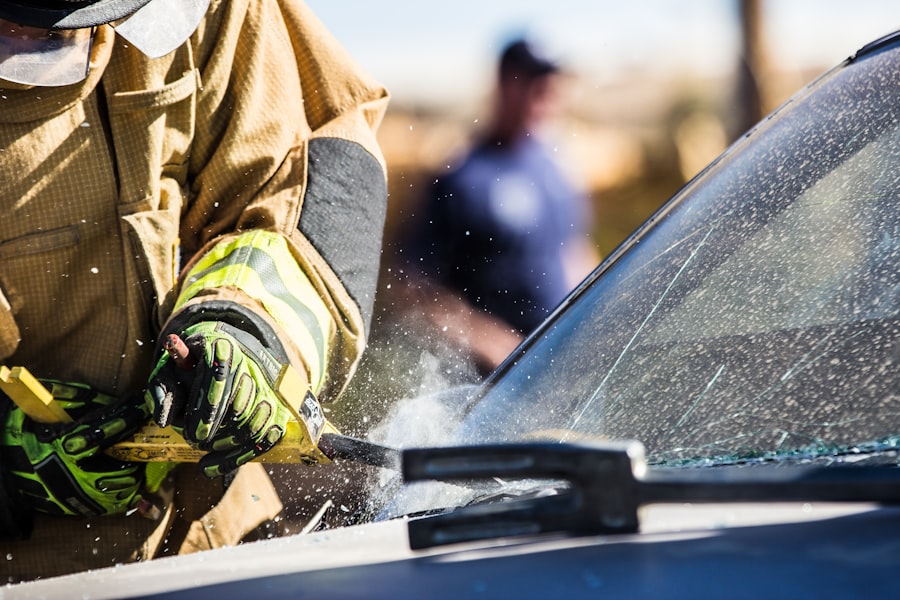
If your windshield damage is deemed repairable, here’s a general idea of what a professional will do. It’s a pretty clever process.
Cleaning and Inspection
First, the technician will meticulously clean the damaged area. They’ll get rid of any dirt, debris, or loose glass fragments. A thorough inspection is performed to confirm the repairability and understand the extent of the damage.
Creating Access
The technician will often drill a tiny hole at the tip of the chip or crack. This gives them a clean entry point for the repair resin and also helps to stop the crack from spreading further. It sounds counterintuitive, but this controlled damage is essential.
Injecting the Resin
A specially formulated optical-grade resin is then injected into the damaged area under pressure. This resin is designed to match the refractive index of glass, meaning you’ll barely see it once it’s cured. The goal is to fill every nook and cranny of the chip or crack.
Curing the Resin
Once injected, the resin needs to cure, which means it hardens. This is often done using a UV light. The UV light initiates a chemical reaction that solidifies the resin, essentially bonding the glass back together.
Polishing and Finishing
After curing, the repaired area is carefully polished. This removes any excess resin and helps to blend the repaired spot into the surrounding glass. The goal is to make the repair as invisible as possible and restore the windshield’s clarity.
DIY vs. Professional RV Windshield Repair
This is a big decision for many RV owners. While the temptation to save money by doing it yourself is strong, there are significant considerations.
The Do-It-Yourself (DIY) Route
You can buy DIY windshield repair kits at auto parts stores or online. These kits typically contain a resin, an applicator tool, and a curing strip. They are designed for smaller chips and will fill the void, preventing further spreading.
Pros of DIY
- Cost Savings: Kits are significantly cheaper than professional services.
- Convenience: You can attempt it yourself at your own pace, anywhere.
- Small Chip Management: For a very small, superficial chip that’s not in your line of sight, a DIY kit can sometimes do a decent job of making it less noticeable and preventing it from growing.
Cons of DIY
- Limited Effectiveness: These kits are rarely as effective as professional repairs. They might not perfectly fill the void, and the repair might still be visible or not as strong.
- Risk of Further Damage: If you don’t use the kit correctly, you can actually make the damage worse, potentially making it unrepairable by a professional. Improper drilling or resin application can crack the glass further.
- No Warranty: DIY repairs come with no guarantees. If it fails, you’re back to square one, likely with a bigger problem and the cost of a professional repair on top.
- Quality of Materials: The resins in DIY kits might not be as optically clear or as strong as those used by professionals.
The Professional Route
This involves taking your RV to a specialized auto glass repair shop, often one that specifically works on RVs or heavy-duty vehicles.
Pros of Professional Repair
- Expertise and Experience: Professionals know exactly what they’re doing. They have the right tools, techniques, and high-quality resins to achieve the best possible results.
- Best Possible Outcome: They can often repair damage that a DIY kit simply can’t handle, restoring clarity and structural integrity.
- Warranties: Most reputable shops offer a warranty on their repairs, giving you peace of mind. If the repair fails or the chip spreads within the repaired area, they’ll often repair it again or apply the cost towards a replacement.
- Safety Assurance: A professional repair means you’re going to have a structurally sound windshield, which is crucial for your safety.
Cons of Professional Repair
- Higher Cost: It’s more expensive than a DIY kit.
- Scheduling and Travel: You’ll need to schedule an appointment and potentially take your RV to a shop, which can be inconvenient, especially if your RV is large.
Our Take: For anything beyond a tiny, superficial ding that you’re not too worried about, calling a professional is almost always the smarter choice. The cost difference can be well worth the peace of mind, a better result, and a warranty.
Finding the Right Professional for Your RV Windshield
| Metrics | Data |
|---|---|
| Number of repairs | 150 |
| Average repair time | 2 hours |
| Cost per repair | 200 |
| Customer satisfaction rate | 95% |
Not all auto glass shops are equipped to handle RV windshields. These are specialty items, and you need someone who knows their way around them.
Look for RV Specialists
Many auto glass shops focus primarily on cars and trucks. RVs have much larger, often more complex windshields that require different equipment and expertise. Search specifically for “RV auto glass repair” or “motorhome windshield repair” in your area.
Ask About Experience with Your RV Type
If you have a particular brand or model of RV, it’s worth asking if the shop has experience with them. Certain manufacturers might use unique windshield designs or installation methods.
Check Reviews and Recommendations
Online reviews are your friend. See what other RV owners are saying about their experiences with local glass shops. Look for consistently positive feedback regarding quality of work, customer service, and pricing.
Understand Their Process and Guarantees
Before agreeing to any work, ask the shop to explain their repair process for your specific damage. Crucially, ask about their warranty or guarantee. What happens if the repair doesn’t hold, or if the crack continues to spread? A good shop will stand behind their work.
Mobile Service Options
Many RV windshield repair services offer mobile service. This is incredibly convenient because they can come to your campsite or RV park. This eliminates the need to tow your RV or find a shop large enough to accommodate it. Always confirm if they have mobile service available and if there are any extra charges for it.
Preventing Future Windshield Damage
Once you’ve had your RV windshield repaired, or if you’re just looking to avoid future issues, prevention is key.
Maintain a Safe Following Distance
This is the golden rule of driving, and it’s especially important for RVs. Give yourself plenty of space between you and the vehicle in front. This significantly reduces the chance of picking up debris they might kick up.
Be Mindful of Road Conditions
Pay attention to the road surface. Avoid following directly behind large trucks, especially on gravel roads or during construction. These vehicles are notorious for flinging up stones.
Consider Protective Films (But Be Cautious)
There are some protective films available for RV windshields that claim to offer a layer of defense against chips and scratches. However, the effectiveness and practicality of these films can vary dramatically.
Factors to Consider with Films
- Curvature: RV windshields are often highly curved, which can make film application difficult and prone to bubbling or peeling.
- Clarity: Some films can slightly impact visibility or create a subtle distortion, which is something to absolutely avoid on a large RV windshield.
- Cost: These films can be expensive, and their longevity isn’t always guaranteed.
It’s best to research specific products thoroughly and perhaps consult with an RV glass professional before investing in a protective film. The effectiveness can be hit or miss.
Regular Inspections
Make it a habit to quickly inspect your windshield during your pre-trip checks. A quick walk-around to look for any new nicks or chips can save you a lot of trouble down the road.
Address Minor Damage Immediately
As we’ve stressed, don’t wait! If you spot a small chip, the sooner you get it repaired, the higher the chance of a successful and cost-effective fix. A small chip is a manageable problem; a large crack is usually not.
The Takeaway: Don’t Let a Chip Become a Catastrophe
Having a damaged RV windshield can feel like a major setback. It’s disruptive, it’s potentially costly, and it can be stressful. But remember, in many cases, a repair is not only possible but also the most practical solution. By understanding when repair is an option, what the process involves, and how to find a good professional, you can get back to enjoying the open road with your RV’s vision clear and strong. Don’t let that small chip linger – address it, and keep your adventures rolling smoothly.