

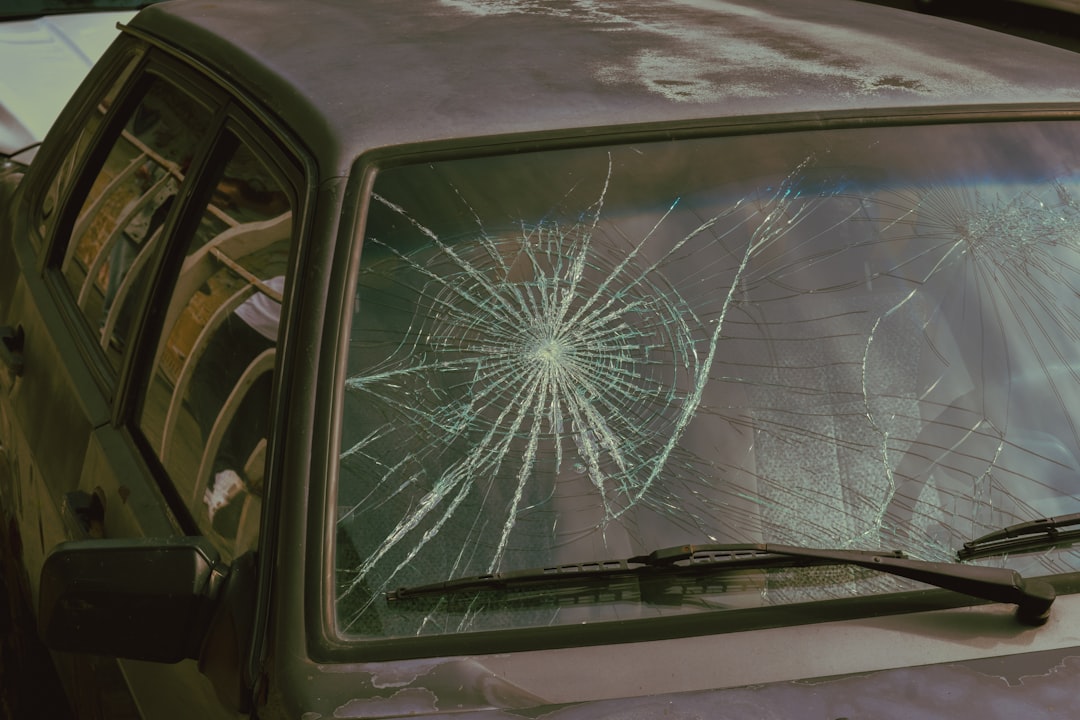

Replacing the windshield on an electric vehicle (EV) often involves a bit more than just swapping out a piece of glass. The main reason for this added complexity is the crucial need for calibration. Many modern EVs are packed with advanced driver-assistance systems (ADAS) that rely on cameras and sensors mounted directly behind the windshield. When you replace that glass, you’re essentially moving or replacing the “eyes” of these systems, and they need to be precisely recalibrated to function safely and correctly.
The Brains Behind the Glass: Understanding ADAS
Think of ADAS as the car’s co-pilot, constantly scanning the road and surroundings. These systems are designed to make driving safer and more comfortable, and they’ve become standard on most new vehicles, especially EVs.
What is ADAS Anyway?
ADAS stands for Advanced Driver-Assistance Systems. These are electronic systems in your car that help you with driving and parking functions. They use various sensors, cameras, and radar to perceive the environment around the vehicle.
Common ADAS Features Found in EVs
EVs, being at the forefront of automotive technology, often come loaded with a wide array of ADAS features. You’ve probably encountered many of these:
- Lane Departure Warning (LDW) and Lane Keeping Assist (LKA): These systems use forward-facing cameras to monitor lane markings. If you drift out of your lane without signaling, LDW will alert you, and LKA might gently steer you back.
- Automatic Emergency Braking (AEB): This vital safety feature uses cameras and radar to detect potential collisions with other vehicles or pedestrians. If you don’t react in time, it can automatically apply the brakes.
- Adaptive Cruise Control (ACC): ACC maintains a set speed but also adjusts it to keep a safe distance from the car in front. Again, cameras and radar play a key role here.
- Traffic Sign Recognition (TSR): Cameras read road signs (like speed limits) and display them on your dashboard, helping you stay informed.
- Automatic High Beams: These systems use cameras to detect oncoming headlights or taillights and automatically switch between high and low beams.
- Front Collision Warning (FCW): Similar to AEB, this system warns you of an impending collision, giving you time to react.
All these systems rely on accurate data from their sensors and cameras. When a windshield is replaced, the precise alignment of these components can be thrown off, making calibration essential.
Why Windshield Replacement Impacts ADAS
It might seem counterintuitive that changing a piece of glass can affect complex electronic systems, but it makes a lot of sense when you consider how these systems are integrated.
The Camera’s Vantage Point
Many of the ADAS cameras are typically mounted directly behind the windshield, often near the rearview mirror. This gives them a clear, unobstructed view of the road ahead. Even a tiny change in the angle or position of this camera after a windshield replacement can significantly alter its field of vision and its ability to accurately “see” and interpret the environment.
Sensor Relocation and Reinstallation
Beyond cameras, some vehicles might have other sensors or even heads-up display (HUD) projectors integrated into or relying on the windshield. When the old windshield is removed, these components are carefully detached. Reinstalling them correctly on the new windshield requires precision to ensure they function as intended.
Optical Quality and Distortion
Modern windshields are not just flat pieces of glass. They are precisely manufactured with specific optical qualities to ensure clarity and minimize distortion. A new windshield, even if identical in model, needs to be installed perfectly flat and aligned to avoid introducing optical distortions that could confuse ADAS cameras. Think of it like looking through a funhouse mirror – your ADAS system could be doing the same if the new glass isn’t right or installed properly.
The Crucial Step: ADAS Calibration
Because of the potential for misalignment and disruption, ADAS calibration isn’t just a recommendation; it’s a critical safety procedure after a windshield replacement on many EVs.
What is ADAS Calibration?
ADAS calibration is the process of precisely realigning the cameras, radar, and other sensors within your vehicle after they’ve been disturbed. It ensures these systems have the correct field of view and accuracy, allowing them to make proper decisions based on real-world data. Without proper calibration, your ADAS features could give false warnings, fail to react, or even react incorrectly, compromising your safety.
Types of Calibration
There are generally two main methods for ADAS calibration:
- Static Calibration: This is performed in a workshop environment. It involves using specialized targets (like large checkerboard patterns or precise measurements) placed at specific distances and angles in front of the vehicle. The vehicle’s computer then “learns” to recognize these targets and adjusts the sensor’s parameters accordingly. This method often requires a very flat, level surface and a controlled environment.
- Dynamic Calibration: This type of calibration is done by driving the vehicle under specific conditions. The vehicle’s computer uses known road markings, signs, and other environmental cues to self-calibrate the sensors over a period of driving. This typically involves driving at certain speeds for a specific distance, often on highways with clear lane markings.
Many vehicles, especially newer EVs, might require a combination of both static and dynamic calibration for comprehensive recalibration of all ADAS features.
Why It’s Not Always a Simple DIY Job
Unlike older cars where you could replace a windshield in your driveway with basic tools, ADAS calibration makes it a job for professionals. The specialized equipment and software required for static calibration are expensive and proprietary. Furthermore, understanding the precise calibration procedures for each specific EV model is crucial, as they can vary significantly between manufacturers and even models within the same brand.
Potential Risks of Skipping Calibration
Skipping ADAS calibration after a windshield replacement isn’t just cutting corners; it’s potentially compromising the safety of your vehicle and its occupants.
Compromised Safety Features
The most significant risk is that your safety features will not work as intended. Imagine your automatic emergency braking failing to detect a pedestrian, or your lane-keeping assist steering you into another lane due to misaligned cameras. These scenarios could have severe consequences.
False Positives and Negatives
Without proper calibration, your ADAS might generate false warnings (e.g., beeping at imaginary obstacles) or, worse, fail to warn you about real dangers. This can lead to driver frustration and, more dangerously, a lack of trust in the system, potentially causing drivers to ignore future, legitimate warnings.
Legal and Insurance Implications
In the event of an accident, if it’s determined that your ADAS systems were malfunctioning due to improper or skipped calibration, it could have significant legal and insurance repercussions. Your insurance company might deny coverage, or you could be held liable for damages.
Diagnostic Trouble Codes (DTCs)
Many modern vehicles will automatically detect if an ADAS system is out of calibration. This often triggers a warning light on your dashboard and generates a Diagnostic Trouble Code (DTC). While these warnings are helpful, they indicate a problem that needs immediate attention, not something to be ignored.
Finding a Qualified EV Windshield Replacement Specialist
Given the complexities, choosing the right specialist for your EV windshield replacement is paramount. It’s not just about finding someone who can install glass; it’s about finding someone who understands and can properly calibrate your vehicle’s ADAS systems.
Look for EV-Specific Expertise
Don’t just go to the cheapest or closest glass shop. Actively seek out repair shops that explicitly state their experience and capability with EV windshield replacement and ADAS calibration. Ask direct questions about their process and their equipment.
Inquire About Calibration Capabilities
When you call for a quote, ask them:
- “Do you perform ADAS calibration for my specific EV model (e.g., Tesla Model 3, Ford Mustang Mach-E, Hyundai Ioniq 5)?”
- “What type of calibration do you use (static, dynamic, or both)?”
- “What equipment do you use for calibration?”
- “Is the calibration included in the windshield replacement cost?”
A reputable shop will be transparent about their process and pricing.
Verify Certifications and Training
Automotive glass technicians dealing with ADAS should have specific training and certifications. Organizations like the Auto Glass Safety Council (AGSC) offer certifications that demonstrate a technician’s competence in safely replacing auto glass and calibrating ADAS. Don’t hesitate to ask about their technicians’ qualifications.
Read Reviews and Seek Recommendations
Check online reviews focusing on customer experiences with ADAS calibration services. Word-of-mouth recommendations from other EV owners can also be incredibly valuable. Look for mentions of thoroughness, professionalism, and successful calibration outcomes.
Get a Detailed Quote
Ensure your quote clearly breaks down the costs, including the new windshield, labor for installation, and, most importantly, the ADAS calibration. Some shops might quote a low price for the windshield and then surprise you with a separate, high calibration fee. Get everything in writing before any work begins.
The Bottom Line: Prioritize Safety
While an EV windshield replacement might be more complex and potentially more expensive than a traditional one, it’s a necessary procedure that directly impacts your safety. The sophisticated ADAS features in your electric vehicle are designed to protect you, and ensuring their proper function through precise calibration is not something to be overlooked. Choosing a qualified and experienced specialist will give you peace of mind, knowing that your EV’s “eyes” are seeing the road clearly and accurately, keeping you and others safe on your journeys.