

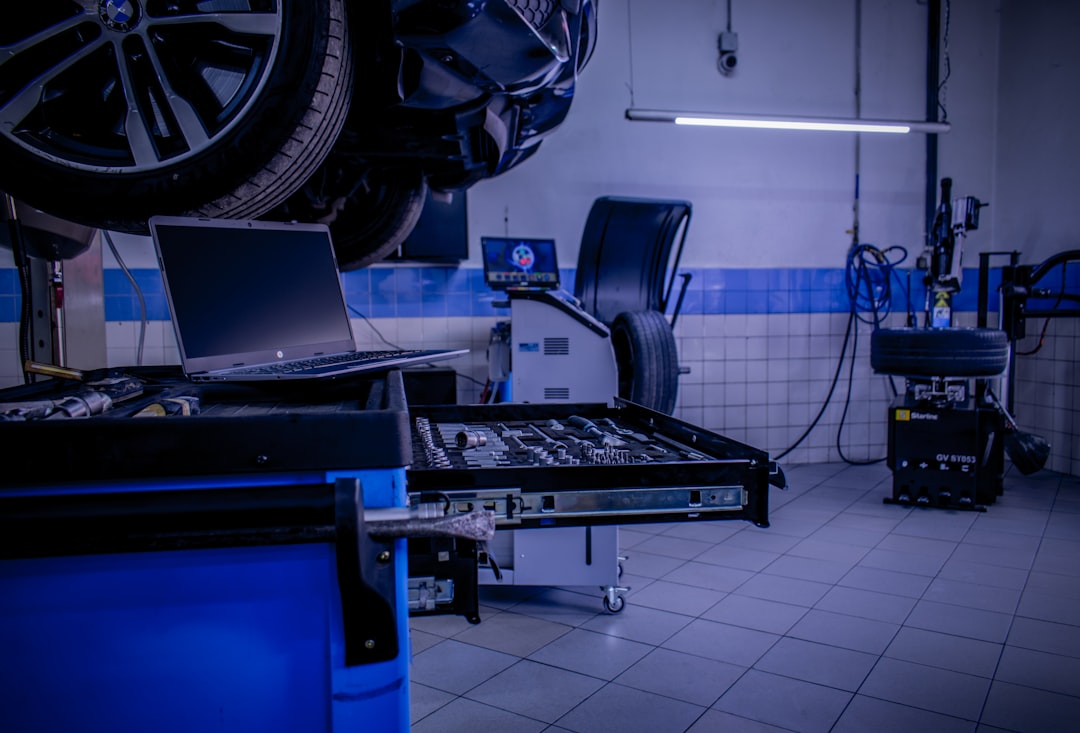

We’ve all been there. A customer brings their vehicle in, perhaps for a routine check-up, a minor fender-bender, or even a more significant collision. As technicians, our goal is always to deliver top-tier service, ensuring their safety and satisfaction. However, when it comes to modern vehicles, especially those equipped with Advanced Driver-Assistance Systems (ADAS), our repair workflows can sometimes feel… fragmented. We address one issue, then another, and the intricate web of sensors, cameras, and processors behind the glass can lead to unforeseen complexities. This is why we are advocating for a shift towards standardized multi-point inspections, specifically designed to improve our glass and ADAS repair workflows.
As automotive technology advances at an unprecedented pace, the vehicles we work on are becoming increasingly sophisticated. What was once a simple pane of glass is now an integral component of a complex safety system. The windshield, for instance, is no longer just a barrier against the elements; it’s a platform for cameras that feed vital information to ADAS features like adaptive cruise control, lane departure warning, and automatic emergency braking. Side windows might house sensors for blind-spot monitoring, and rear windows can be equipped with cameras for backup assistance and 360-degree views. This integration means that any work performed on the glass, from a small chip repair to a full replacement, has the potential to impact the functionality of these advanced systems.
The Windshield’s Multifaceted Role
The windshield, in particular, has evolved dramatically. We used to simply focus on its structural integrity and clarity. Now, it’s a critical piece of real estate for a multitude of sensors and cameras. We’re talking about rain sensors, light sensors, forward-facing cameras for lane keeping assist and traffic sign recognition, and even components of lidar systems in some applications. The precise placement, angle, and calibration of these elements are paramount. Even a slight misalignment or a smudge on the glass can lead to erroneous data being fed to the vehicle’s computer, causing ADAS features to malfunction or become entirely inoperable. This adds a significant layer of complexity to what was once a relatively straightforward repair.
Beyond the Windshield: Side and Rear Glass Integration
It’s not just the windshield that holds these technological advancements. We’re increasingly seeing sensors and cameras integrated into side windows, particularly for blind-spot monitoring systems. These sensors operate by detecting vehicles in adjacent lanes, and their accuracy relies on unobstructed views and proper calibration. Similarly, rear glass is now a common location for backup cameras, parking sensors, and even components related to rear cross-traffic alert systems. When we undertake work on these areas, we must consider the potential impact on these ADAS functionalities. The subtle curvature of a side window, the placement of heating elements, or the integration of wiring for a rear camera can all become critical factors in a successful repair.
The Evolution of ADAS and Its Impact on Our Practice
The very definition of ADAS is constantly expanding. Features that were once considered premium or optional are now becoming standard equipment across a wider range of vehicles. This means that more and more of the cars rolling into our bays will require specific attention to their ADAS components when glass work is involved. We’re moving beyond a scenario where only high-end luxury vehicles had these systems; they are now becoming commonplace. This necessitates a fundamental shift in our training, our diagnostic tools, and our repair procedures. Ignoring this evolution puts us at risk of delivering incomplete or potentially unsafe repairs, which is something none of us want.
The Challenges of Fragmented Workflows
Without a standardized approach, managing the intricacies of glass and ADAS repairs can lead to significant challenges. Technicians might overlook crucial steps, diagnostic efforts can become piecemeal, and the customer experience can suffer. We’ve all experienced the frustration of diagnosing a problem that turns out to be related to a seemingly unrelated repair performed earlier. This is where the need for standardization becomes most apparent.
The “One-Off” Repair Syndrome
In the absence of a structured process, we often find ourselves treating each glass and ADAS-related repair as a unique entity. This “one-off” syndrome means that while we might have a general idea of what needs to be done, the specific steps, checks, and calibrations can vary wildly from one vehicle to another, or even from one technician to another within the same shop. This leads to inconsistency, potential for missed steps, and increased diagnostic time as we try to re-invent the wheel for each new situation. We are skilled professionals, but relying on individual intuition and experience alone in such a complex field can lead to gaps.
The Difficulty of Comprehensive Diagnosis
When issues arise with ADAS features after glass work, diagnosing the root cause can be an uphill battle. Is the problem with the new glass itself? Is it a calibration issue? Was a sensor damaged during the repair? Was a connection overlooked? Without a standardized diagnostic pathway that specifically incorporates ADAS checks, we can end up performing a series of disconnected tests, wasting valuable time and resources. This can be particularly frustrating for technicians who are confident they performed the physical repair correctly, only to be baffled by the subsequent system malfunction.
The Impact on Customer Satisfaction and Trust
Ultimately, our customers rely on us to get their vehicles back to them in perfect working order, with all safety features fully functional. When a customer experiences problems with their ADAS after a glass repair, it erodes their trust in our abilities and the quality of our work. They might assume the repair was faulty, even if the issue stemmed from a complex system interaction we weren’t fully prepared to address. This can lead to negative reviews, lost business, and a diminished reputation for our shop. We want our customers to feel confident and safe driving away, knowing their vehicle is as good as new, if not better.
The Risk of Liability and Recalls
In a worst-case scenario, an improperly repaired or calibrated ADAS system can pose a real safety risk. If a customer experiences an accident or a near-miss due to a malfunctioning ADAS feature, the liability could fall squarely on our shoulders. This isn’t a hypothetical concern; as ADAS becomes more prevalent, so too do the potential repercussions of incorrect repairs. A standardized workflow, with built-in checks and balances, helps us mitigate this risk and protect ourselves, our customers, and our businesses. We have a professional responsibility to ensure the safety of every vehicle that leaves our shop.
Introducing the Standardized Multi-Point Inspection Framework
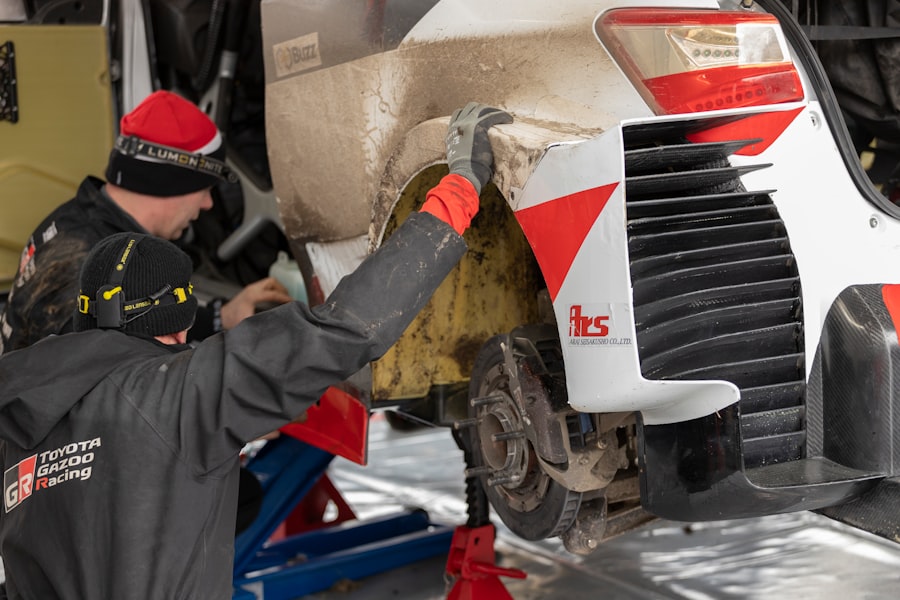
To combat these challenges, we propose the adoption of a standardized multi-point inspection framework specifically for vehicle glass and ADAS. This framework will ensure that every aspect of the