

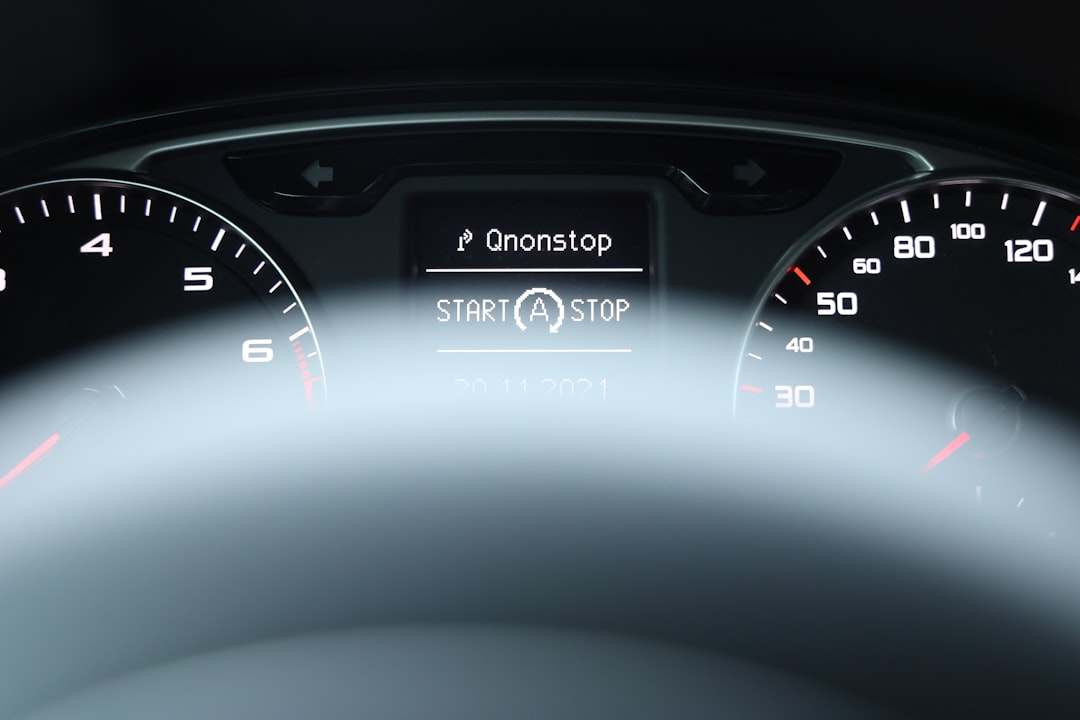

So, your lane assist isn’t working after a windshield replacement? The short answer is almost certainly because the camera or sensor that detects lane markings, usually located behind your rearview mirror and attached to the windshield, is no longer properly aligned or calibrated. Windshield replacement requires detaching and reattaching this crucial component, and even a tiny misalignment can throw it off.
The Brains Behind Your Lane Assist
Modern vehicles are packed with advanced driver-assistance systems (ADAS), and lane assist is a prime example. These systems rely on a network of sensors, cameras, and software to help keep you safe on the road. When your windshield is replaced, it’s not just a piece of glass; it’s an integral part of this high-tech network.
What Exactly is Lane Assist?
Lane assist, or lane keeping assist (LKA), is designed to prevent unintentional lane departures. It uses a forward-facing camera, typically mounted high on the windshield near the rearview mirror, to “see” the lane markings on the road.
- Lane Departure Warning (LDW): This is the more basic version. If the system detects you’re drifting out of your lane without signaling, it will alert you with a visual, audible, or haptic (vibrating steering wheel) warning.
- Lane Keeping Assist (LKA): This goes a step further. If you drift, it will actively provide gentle steering input to help guide your vehicle back into the center of the lane.
- Lane Centering Assist: This is the most advanced, continuously working to keep your vehicle centered within the lane, reducing driver fatigue on longer journeys.
How Does the Camera See?
The camera doesn’t just “see” like a human eye. It uses sophisticated image processing algorithms to identify the distinct patterns of lane lines. It’s constantly analyzing the road ahead, looking for those painted markers.
Why Windshield Replacement Messes Things Up
Replacing a windshield isn’t as straightforward as it used to be. It’s not just about getting the glass in; it’s about preserving the delicate ecosystem of your car’s ADAS features.
The Crucial Camera Re-attachment
The primary culprit for non-functional lane assist is the camera’s relationship with the new windshield. The camera is typically mounted to a bracket that’s either glued directly to the windshield or attached to a housing that’s then secured to the windshield.
- Precise Positioning is Key: Even a fraction of a millimeter off can alter the camera’s field of view significantly. Imagine trying to hit a target with a rifle scope that’s slightly crooked – you’ll miss every time. The camera needs to be perfectly aimed down the road.
- Bracket Integrity: If the old bracket isn’t properly removed or the new one isn’t perfectly secured, it can introduce wobble or misalignment.
Calibration: The Non-Negotiable Step
This is perhaps the most important reason your lane assist isn’t working. After any windshield replacement where an ADAS camera is involved, calibration is absolutely essential.
- What is Calibration? Calibration is the process of teaching the camera (and the vehicle’s computer) its new position relative to the car’s body and the road ahead. It tells the system exactly where “straight ahead” is, how far objects are, and what the correct angles are for detecting lane lines.
- Why is it Needed? Think of it like adjusting your car’s headlights. If they’re aimed too high or too low, they won’t illuminate the road effectively. Similarly, if the camera isn’t calibrated, it won’t accurately interpret the road environment. Even if the camera looks perfectly straight to the naked eye, the internal software needs to be updated to reflect its new physical location.
Types of Calibration
There are generally two types of calibration methods used for ADAS cameras:
- Static Calibration: This is performed in a controlled environment, typically a garage or workshop. Special targets are placed at specific distances and angles in front of the vehicle. The camera “looks” at these targets, and the vehicle’s computer uses this information to recalibrate the system. This often requires specialized tools and software.
- Dynamic Calibration: This involves driving the vehicle under specific conditions (e.g., at certain speeds, on specific types of roads with clear lane markings) for a set period. The vehicle’s computer learns and adjusts the camera’s parameters as it drives. Some vehicles may require a combination of both static and dynamic calibration.
The Risks of Skipping Calibration
Skipping calibration isn’t just an inconvenience; it can have serious safety implications.
Incorrect Lane Departure Warnings
If the camera is misaligned, it might issue warnings too early, too late, or even when you’re perfectly centered in your lane. This can be annoying and lead to drivers disregarding the system altogether, which defeats its safety purpose.
False Lane Keeping Interventions
In LKA systems, a miscalibrated camera could try to steer your car when it shouldn’t, or fail to intervene when it should. Imagine your car trying to steer you into another lane because it’s misinterpreting the lane lines – a truly dangerous scenario.
Impact on Other ADAS Features
It’s important to remember that the forward-facing camera isn’t just for lane assist. It’s often shared by other critical ADAS features, including:
- Automatic Emergency Braking (AEB): If the camera misjudges distances or fails to correctly identify obstacles, AEB might not activate when needed or might activate unnecessarily.
- Adaptive Cruise Control (ACC): The camera helps ACC maintain a safe following distance. Miscalibration can lead to incorrect distance perception.
- Traffic Sign Recognition: The camera reads speed limit signs and other road signs. If it’s off, it might display incorrect information.
- Automatic High Beams: The camera detects oncoming headlights and taillights to dim and brighten your high beams. Misalignment can cause it to react improperly.
What to Do When Lane Assist Fails
If your lane assist isn’t working after a windshield replacement, don’t ignore it. It’s a safety feature, and its malfunction indicates a problem that needs addressing.
Step 1: Contact Your Windshield Replacement Provider
This should be your immediate first step. Explain the issue clearly. They should be aware of the calibration requirements for ADAS-equipped vehicles.
- Ask about their ADAS calibration process: Did they perform it? If so, how? (Static, dynamic, or both?) Did they use OEM-specified equipment?
- Request a re-check or recalibration: If they did perform it, it’s possible it wasn’t done correctly, or a subsequent issue arose. If they didn’t, they absolutely need to.
Step 2: Understand OEM Requirements
Different car manufacturers have specific procedures and equipment required for ADAS calibration. A generic “one-size-fits-all” approach may not be sufficient.
- Check your vehicle’s owner’s manual: It will often detail the ADAS systems and their maintenance requirements.
- Research online: Look for forums or official manufacturer resources related to ADAS calibration for your specific make and model.
Step 3: Seek a Specialist (If Needed)
If your windshield replacement provider is unable or unwilling to properly calibrate your system, or if you’re not satisfied with their explanation, you may need to seek out a specialist.
- Dealerships: Your car’s dealership is always a reliable option, as they have access to OEM tools, software, and training. However, they can sometimes be more expensive.
- ADAS Calibration Centers: Dedicated ADAS calibration centers are becoming more common. These facilities specialize in ADAS services and often have a wide range of OEM-specific tools.
- Reputable Auto Body Shops: Some high-end auto body shops that handle complex repairs also have ADAS calibration capabilities.
Questions to Ask Any Service Provider
When discussing ADAS calibration, don’t be afraid to ask pointed questions. It’s your safety at stake.
- “Do you have the OEM-specified equipment and software for ADAS calibration for my specific vehicle model?”
- “What type of calibration will you perform (static, dynamic, or both)?”
- “Can you provide documentation of the calibration, showing that it was successfully completed?”
- “What is your warranty on the calibration service?”
- “Are your technicians specifically trained and certified for ADAS calibration?”
A Final Thought: Prevention is Best
The best way to avoid this problem is to address it before the windshield replacement even happens.
- Inform the installer upfront: When getting a quote for windshield replacement, explicitly state that your vehicle has ADAS features like lane assist and that calibration will be required.
- Confirm their capabilities: Ask them about their ADAS calibration process and equipment before you commit to the service.
- Get it in writing: Ensure that ADAS calibration is explicitly included in the service agreement and on the invoice.
Your car’s ADAS features are there to enhance safety. When one of them, like lane assist, isn’t working, it’s not just an inconvenience; it’s a compromised safety system. Take it seriously, and ensure your vehicle is properly restored to its full, safe functionality.