

We, as a collective of used car inspection specialists, understand the inherent risks and complexities associated with verifying the condition of pre-owned vehicles. Our primary objective is to empower buyers with accurate information, ensuring they make informed decisions and, critically, to minimize their exposure to “Not As Described” (NAD) liability. This isn’t merely about protecting buyers; it’s about upholding the integrity of the used car market and fostering trust between all parties involved. We’ve dedicated ourselves to refining our inspection methodologies, developing robust standards, and continuously learning from both successes and challenges in this dynamic industry.
When a buyer purchases a used car, they do so based on representations made by the seller, whether explicitly stated in an advertisement, verbally communicated, or implied by the vehicle’s apparent condition. “Not As Described” liability arises when a significant discrepancy exists between these representations and the actual state of the vehicle at the time of sale.
Defining “Not As Described”
We’ve learned that NAD isn’t just about outright fraud, though that’s certainly a component. It often stems from oversights, miscommunications, or a lack of thorough disclosure. A car sold as “accident-free” that later reveals extensive frame damage, or a “fully serviced” vehicle with numerous unreported mechanical issues, are classic examples.
The Legal Ramifications for Buyers and Sellers
From our perspective, the legal landscape surrounding NAD is multifaceted. For buyers, it can mean significant financial loss, unexpected repair costs, and emotional distress. For sellers, particularly dealerships and professional entities, NAD claims can lead to costly lawsuits, reputational damage, and a loss of consumer confidence. We emphasize that understanding these ramifications is crucial for both sides to appreciate the value of a comprehensive inspection.
The Role of Independent Inspections in Litigation
We’ve seen countless cases where a well-documented, independent inspection report has served as invaluable evidence. It provides an objective, third-party assessment of the vehicle’s condition at a specific point in time, mitigating disputes and often preventing protracted legal battles. Our reports act as a factual baseline, making it clear what was observable and what was not at the time of our assessment.
Our Comprehensive Inspection Process: More Than Just a Checklist
We pride ourselves on our meticulous inspection process, which goes far beyond a superficial glance. We’ve developed a multi-point system designed to uncover both obvious and hidden issues, providing the most detailed snapshot of a vehicle’s health.
Pre-Inspection Planning and Information Gathering
Before we even lay a hand on the car, we initiate a thorough information-gathering phase. This includes reviewing any available vehicle history reports (CarFax, AutoCheck), requesting maintenance records from the seller, and understanding the buyer’s specific concerns or priorities for the vehicle.
Vehicle History Report Analysis
We scrutinize history reports for any signs of accidents, title issues (salvage, flood, rebuilt), mileage discrepancies, and reported maintenance. We understand that these reports aren’t foolproof, but they provide critical red flags that warrant closer examination during the physical inspection.
Seller Disclosure Review
We encourage sellers to provide as much disclosure as possible. We cross-reference their claims with our findings, identifying any inconsistencies or omissions that could lead to NAD issues down the line.
Buyer’s Specific Concerns
Each buyer has unique needs. We prioritize addressing their specific questions and concerns, tailoring our focus where appropriate to ensure their peace of mind.
The Multi-Point Mechanical and Structural Assessment
This is the core of our service. We conduct a comprehensive examination of all major systems, leaving no stone unturned. Our technicians are trained to identify subtle indicators of underlying problems, not just overt malfunctions.
Engine and Powertrain Diagnostics
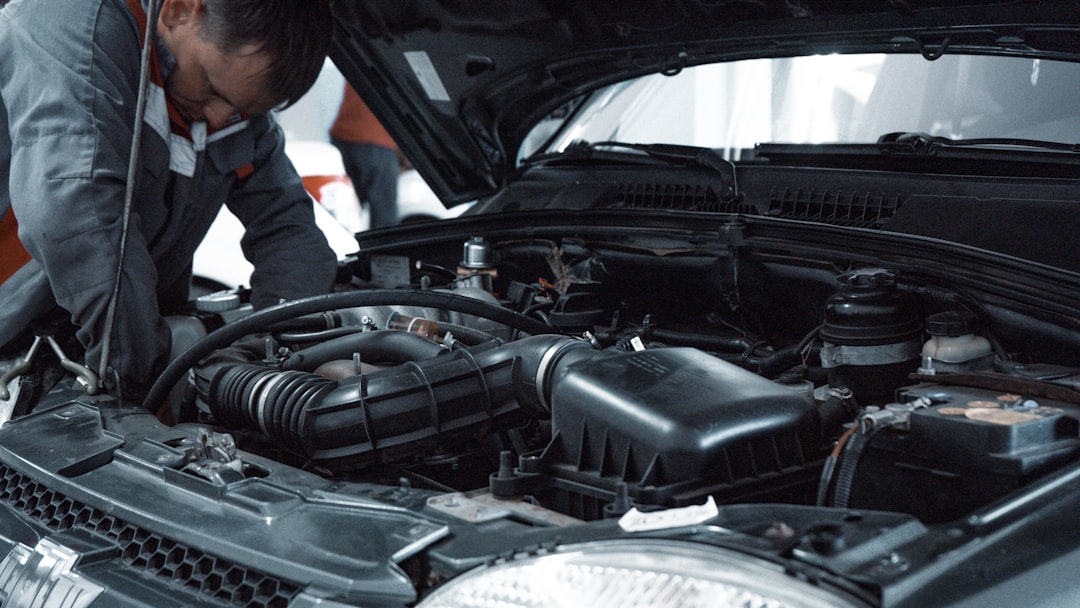
We execute a comprehensive assessment of the engine, transmission, and drivetrain. This includes visual inspection for leaks, abnormal noises, and signs of neglect. We also connect diagnostic tools to check for error codes and performance parameters, ensuring the engine is performing within expected specifications. Our road tests are crucial here, allowing us to assess transmission shifts, engine power, and overall drivability.
Suspension, Steering, and Braking Systems
We meticulously check for worn components in the suspension (shocks, struts, bushings), assess the steering for play or pulling, and scrutinize the braking system for wear on pads, rotors, and lines. We understand that these systems are critical for safety and comfort.
Electrical Systems and Electronics
Modern cars are increasingly reliant on complex electrical systems. We verify the functionality of all lights, power windows, infotainment systems, climate control, and other electronic accessories. We look for any signs of aftermarket modifications that could compromise the vehicle’s electrical integrity.
Structural Integrity and Undercarriage Inspection
This is a critical area for preventing NAD claims related to accident damage. We carefully inspect the frame, subframe, and critical structural components for any signs of repair, welding, or distortion. We use specialized tools to detect subtle imperfections that might indicate past damage, even if it hasn’t been reported. Rust and corrosion are also closely examined, particularly in critical load-bearing areas.
Interior and Exterior Condition Evaluation
While often considered cosmetic, the interior and exterior can reveal significant clues about a vehicle’s history and how well it has been maintained.
Body Panel Alignment and Paint Condition
We look for inconsistencies in body panel gaps, evidence of repainting, or mismatched paint colors, all of which can indicate prior accident repair. We also assess overall paint quality for scratches, dents, and signs of neglect.
Interior Wear and Functionality
We evaluate the condition of upholstery, carpets, and trim for excessive wear or damage. We ensure all interior features, such as seat adjustments, HVAC controls, and safety equipment (seatbelts, airbags), are fully functional.
Tire and Wheel Assessment
Tire wear patterns can reveal alignment issues, and wheel damage can indicate impacts. We measure tire tread depth, inspect for uneven wear, and check for any signs of damage to the wheels themselves.
The Power of Documentation: Our Reports as Evidence
Our comprehensive reports are the cornerstone of our service. We understand that memories fade, but meticulously detailed documentation provides an irrefutable record of the vehicle’s condition at the time of inspection.
High-Resolution Photography and Video Evidence
We back up our written findings with extensive visual evidence. High-resolution photos and, where appropriate, video recordings, capture specific issues, general condition, and critical components. This visual documentation is invaluable in demonstrating the presence or absence of a particular defect.
Detailed Written Descriptions of Findings
Our reports provide clear, concise, and objective descriptions of all findings. We categorize issues by severity (e.g., critical, significant, minor cosmetic) and offer estimated repair costs where appropriate. We avoid jargon and ensure the language is accessible to a non-technical audience.
Categorization of Issues
We categorize issues to help buyers prioritize potential repairs and understand the urgency of different findings. A “critical” issue might be a safety hazard, while a “minor cosmetic” issue might just be an aesthetic concern.
Estimated Repair Costs
While we are inspectors, not mechanics providing quotes, we offer general estimates for common repairs based on our extensive experience. This helps buyers budget for potential post-purchase expenses.
Clear Recommendations and Disclaimers
We conclude each report with clear recommendations for the buyer. This might include suggesting further diagnostic tests, negotiating a lower price, or advising against the purchase if significant unrepaired issues are present. We also include appropriate disclaimers, acknowledging the limitations of any inspection and encouraging further due diligence.
Further Diagnostic Suggestions
Sometimes our inspection uncovers symptoms that require further specialized diagnosis. We will clearly state these recommendations, empowering the buyer to seek additional expert opinions if needed.
Limitations of Inspection
We transparently outline the inherent limitations of our service, such as not disassembling components or verifying internal engine/transmission wear without specific diagnostic tools. This sets realistic expectations for the buyer.
Proactive Strategies in Preventing NAD Claims
We believe in a proactive approach to minimizing NAD liability. This involves both our rigorous inspection process and educating all parties involved in the transaction.
Educating Buyers on Realistic Expectations
A significant part of our role is managing buyer expectations. Used cars, by definition, will have some wear and tear. We help buyers distinguish between normal aging and significant, undisclosed defects.
Understanding Wear and Tear vs. Undisclosed Defects
We explain that a minor scratch or a slightly worn interior button is normal for a used car, whereas undisclosed frame damage or a faulty transmission falls under the realm of NAD. This distinction is crucial.
The Importance of Follow-Up Questions
We encourage buyers to ask follow-up questions to both us and the seller, digging deeper into any areas of concern raised in our report.
Encouraging Transparency from Sellers
We advocate for maximum transparency from sellers. A fully disclosed vehicle, even with known issues, is far less likely to result in an NAD claim than a vehicle with hidden problems.
Full Disclosure Statements
We encourage sellers to complete comprehensive disclosure statements, outlining any known issues, past accidents, or modifications. This protects them as much as it protects the buyer.
Providing Maintenance Records
Maintenance records provide an invaluable timeline of a vehicle’s care. We advise sellers to compile these and buyers to request them, as they can corroborate claims of good maintenance.
Leveraging Technology and Continuous Training
We are committed to staying at the forefront of automotive technology and inspection techniques. Our team undergoes continuous training to keep pace with evolving vehicle designs and diagnostic tools.
Advanced Diagnostic Equipment
We invest in the latest diagnostic scan tools and equipment, enabling us to delve deeper into a vehicle’s electronic and mechanical systems.
Ongoing Professional Development
Our inspectors regularly attend workshops and seminars to enhance their knowledge of new vehicle technologies, common failure points, and best inspection practices.
Our Commitment Beyond the Inspection: Mitigating Post-Purchase Disputes
“`html
| Strategy | Impact |
|---|---|
| Thorough Inspection Process | Reduces risk of undisclosed issues |
| Clear Documentation | Provides evidence of vehicle condition |
| Transparent Communication | Builds trust with potential buyers |
| Offering Warranty Options | Provides peace of mind for buyers |
“`
Our involvement doesn’t necessarily end when our report is delivered. We understand that disputes can still arise, and we aim to be a valuable resource in resolving them efficiently and fairly.
Expert Witness Testimony and Arbitration Support
Should a dispute lead to legal action, our comprehensive reports and the expertise of our inspectors can be invaluable. We can provide expert witness testimony or support during arbitration proceedings, clarifying the facts of the vehicle’s condition at the time of our inspection.
Impartial Assessment Amidst Disagreement
In heated disputes, an impartial third-party assessment is critical. Our role is to present the factual findings of our inspection, allowing legal professionals to interpret the implications.
Clarity on Observable vs. Latent Defects
We help distinguish between defects that were observable during a reasonable inspection and those that are truly latent (hidden and not detectable without dismantling components). This distinction is often crucial in NAD cases.
Feedback Loop for Continuous Improvement
We view every inspection and any subsequent disputes as learning opportunities. We actively seek feedback from buyers, sellers, and legal professionals to refine our processes and enhance our services.
Learning from Resolved NAD Cases
Analyzing the outcomes of NAD cases, especially those where our reports played a role, helps us identify areas where our inspection process can be further strengthened.
Adapting to Market Trends and New Technologies
The used car market is constantly evolving. We continuously adapt our inspection protocols to account for new vehicle technologies, common issues emerging in specific makes/models, and changing consumer expectations.
In conclusion, our mission to minimize “Not As Described” liability in used car inspections is a holistic endeavor. It encompasses a rigorously defined process, meticulous documentation, proactive educational efforts, and a steadfast commitment to technological advancement and continuous improvement. We believe that by providing objective, comprehensive, and clear assessments, we empower buyers, protect sellers through transparency, and ultimately contribute to a more trustworthy and efficient used car market for everyone involved. We are not just inspecting cars; we are building confidence, one thorough examination at a time.