



When a rock hits your windshield, it’s not just a minor inconvenience; for a commercial fleet, it can mean lost time, missed deliveries, and a significant dent in your bottom line. That’s where mobile auto glass service comes in – it brings the repair or replacement directly to your vehicles, wherever they are, minimizing downtime and keeping your fleet operational. It’s about efficiency and getting your drivers back on the road safely and swiftly.
A small chip might seem insignificant, but for a commercial vehicle, it’s a ticking time bomb. It can quickly spiderweb into a larger crack, especially with the constant vibration and temperature fluctuations that commercial vehicles experience. Beyond the safety implications, there are significant financial repercussions.
Lost Productivity and Revenue
Every minute a commercial vehicle sits idle due to glass damage is revenue lost. Whether it’s a delivery truck, a service van, or a construction vehicle, its primary purpose is to be out on the road. Waiting for a vehicle to be driven to a shop, repaired, and then returned can easily consume half a day or more. This directly impacts delivery schedules, customer satisfaction, and your bottom line.
Safety and Liability Concerns
A damaged windshield compromises driver visibility, increasing the risk of accidents. Even small chips can cause glare and distortions, especially when driving into the sun. Larger cracks significantly weaken the structural integrity of the windshield, which is a critical safety component, particularly in a rollover accident. From a liability standpoint, operating vehicles with compromised glass can expose your business to considerable risk.
Regulatory Compliance and Inspections
Commercial vehicles are subject to strict regulations and inspections. A damaged windshield can lead to failed inspections, fines, and even being taken out of service until repairs are made. Staying compliant isn’t just good practice; it’s a legal requirement that can heavily impact your operational capabilities.
How Mobile Auto Glass Service Works
The beauty of mobile auto glass service lies in its simplicity and efficiency. It’s designed to seamlessly integrate into your fleet’s operations, not disrupt them.
On-Site Assessment and Scheduling
It usually starts with a quick call or online request. You provide details about the damaged vehicle, including the make, model, and the type of damage (chip, crack, full replacement). The service provider will then gather information to understand the scope of work and discuss scheduling options that best suit your fleet’s needs. This often means finding a time and location where the vehicle will be parked for an extended period, such as during off-hours at your depot or while a driver is taking a break.
Expert Technicians and Equipment
When the mobile unit arrives, it’s not just a person with a toolbox. These are fully equipped vans, often resembling a small workshop on wheels. They carry all the necessary tools, specialized equipment for calibration (especially important for advanced driver-assistance systems, or ADAS), and a wide range of glass types to match your fleet’s diverse vehicles. The technicians are typically certified and experienced, understanding the nuances of commercial vehicle glass, which can differ significantly from passenger car glass in terms of size, thickness, and mounting methods.
Efficient Repair or Replacement Process
The actual repair or replacement process is streamlined for efficiency. For chips, a specialized resin is injected into the damaged area and cured, preventing further spread. For full replacements, the old glass is carefully removed, the frame is prepped, and the new glass is installed using professional-grade adhesives. Once the work is done, the area is cleaned, and you’re provided with any necessary post-installation instructions, such as adhesive curing times.
Key Benefits for Commercial Fleets

Moving beyond the basic premise, the specific advantages for a commercial fleet are numerous and impactful. It’s about more than just convenience; it’s about strategic fleet management.
Maximized Uptime and Operational Efficiency
This is perhaps the biggest draw. Instead of taking a vehicle out of service for hours or even a full day, repairs can often be completed during scheduled downtime – while a driver is on lunch break, overnight at the depot, or during routine maintenance. This drastically reduces the time a vehicle is non-revenue generating, keeping your fleet on schedule and your operations running smoothly.
Reduced Logistics and Fuel Costs
Think about the time and fuel it takes to ferry a vehicle to and from a glass shop. For a fleet with multiple vehicles, especially large trucks, this can add up significantly. Mobile service eliminates this need entirely. The technicians come to you, saving valuable driver hours, fuel expenses, and wear and tear on your vehicles.
Enhanced Driver Safety and Morale
Knowing that damaged glass can be swiftly addressed instills confidence in your drivers. They don’t have to operate a vehicle with compromised visibility or integrity for longer than necessary. A safe working environment contributes to higher driver morale and retention, which is crucial in today’s competitive labor market.
Consistent Quality and Workmanship
Reputable mobile auto glass providers for fleets often employ specialized technicians who are adept at handling commercial vehicle glass. This means you’re not getting a generic repair; you’re getting service from professionals who understand the specific requirements and challenges of large vehicles, heavy-duty glass, and specialized installations.
Streamlined Billing and Account Management
For fleet managers, dealing with multiple invoices and tracking repairs can be a headache. Many mobile auto glass services offer dedicated fleet accounts, consolidated billing, and simplified administrative processes. This makes managing repairs across your entire fleet much easier, saving time and reducing administrative burdens.
What to Look For in a Mobile Auto Glass Provider
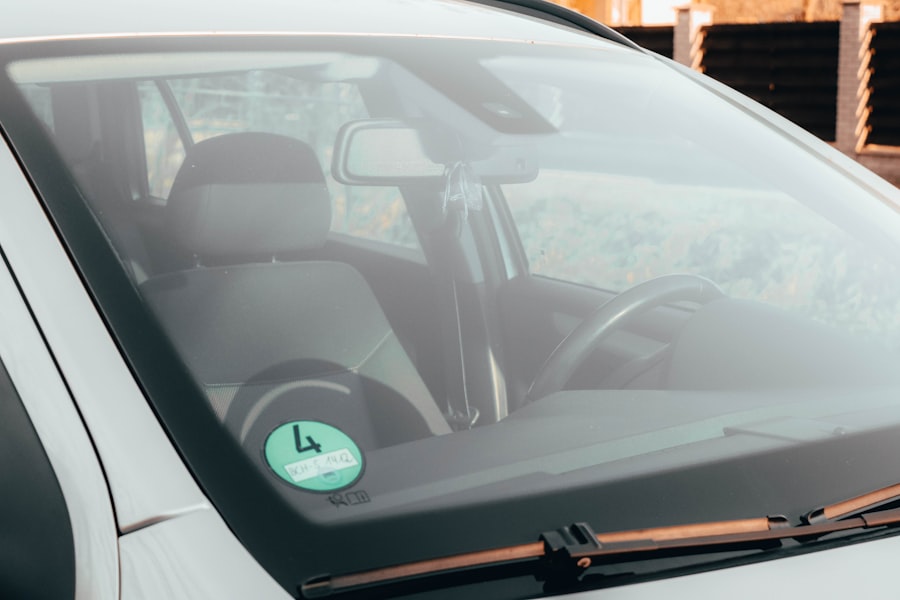
Choosing the right partner is crucial. Not all mobile services are created equal, and for a commercial fleet, you need a provider that understands your unique demands.
Experience with Commercial Vehicles
This is non-negotiable. Commercial vehicles, especially heavy-duty trucks, buses, and specialized equipment, have different glass types, mounting systems, and often require more robust adhesives than passenger cars. Ensure the provider has a proven track record specifically with the types of vehicles in your fleet. Ask about their experience with windshields, side glass, and rear windows for your specific models.
ADAS Calibration Capabilities
Modern commercial vehicles are increasingly equipped with Advanced Driver-Assistance Systems (ADAS), which include features like lane departure warnings, automatic emergency braking, and adaptive cruise control. These systems often rely on cameras and sensors mounted on or near the windshield. After a windshield replacement, these systems must be recalibrated to function correctly. A reputable mobile provider will have the necessary diagnostic tools and expertise to perform both static and dynamic ADAS calibrations on-site. Without proper calibration, these safety features can be dangerously inaccurate.
Extensive Inventory and Glass Sourcing
A fleet can have a diverse range of vehicles. You need a provider who has access to a wide variety of OEM (Original Equipment Manufacturer) quality or equivalent aftermarket glass for all your fleet’s makes and models. Delays in sourcing the correct glass can negate the benefits of mobile service. Ask about their inventory management and how quickly they can acquire specific glass types.
Insurance and Warranty Information
Always verify that the provider is fully insured and bonded. This protects your business in case of any accidental damage during the repair process. Additionally, inquire about their warranty on both the glass and the workmanship. A strong warranty demonstrates confidence in their services and provides peace of mind. A reputable provider will stand behind their work.
Service Area and Responsiveness
Confirm that the provider’s service area covers all your operational locations. For larger fleets, you might need a provider with a broad regional or even national footprint. Inquire about their typical response times and their ability to handle emergency repairs, especially for critical vehicles that cannot afford extended downtime.
Getting Your Fleet Ready for Mobile Service
| Metrics | Value |
|---|---|
| Number of Fleet Vehicles Serviced | 100 |
| Response Time | 2 hours |
| Service Coverage Area | 100-mile radius |
| Customer Satisfaction Rate | 95% |
While the service comes to you, there are a few things you can do to make the process even smoother and more efficient.
Designate a Clear and Safe Work Area
When scheduling the service, consider where the vehicle will be parked. Technicians need a relatively flat, dry, and safe area to work, ideally away from heavy traffic or extreme weather conditions. Providing adequate space around the vehicle allows them to set up their equipment and work unimpeded.
Communicate Vehicle Details Accurately
The more information you can provide upfront, the better. This includes the exact make, model, year, and any specific features of the vehicle (e.g., heated windshield, rain sensors, ADAS camera). Pictures of the damage can also be very helpful in determining whether a repair is possible or if a full replacement is needed.
Inform Drivers and Staff
Ensure your drivers and other relevant staff are aware of the scheduled service. They should know where the vehicle needs to be parked and understand any instructions given by the technician post-repair, especially regarding adhesive curing times for replacements. This prevents accidental damage or disruption to the fresh installation.
Review Your Insurance Coverage
Before any service is performed, it’s a good idea to review your fleet’s insurance policy regarding glass repair and replacement. Understand your deductible and coverage limits. The mobile service provider can often help you with the insurance claims process, making it even easier.
The Future of Fleet Glass Management
Mobile auto glass service isn’t just a convenience; it’s becoming an integral part of modern fleet management. As commercial vehicles become more technologically advanced, with complex ADAS systems becoming standard, the need for specialized, on-site expertise will only grow. Partnering with a reliable mobile auto glass provider isn’t just about fixing broken glass; it’s about investing in the safety, efficiency, and longevity of your entire commercial fleet. It’s a proactive approach to maintaining operational readiness and protecting your assets.