


I’ve always been fascinated by the intricacies of modern automotive technology. As a professional deeply invested in vehicle safety, I consistently find myself delving into the nuances of advanced driver-assistance systems (ADAS). Among these systems, one component, often overlooked but absolutely critical, consistently demands my attention: the ADAS camera. Its role in interpreting the world around a car is paramount, and without precise calibration, these systems, designed to enhance safety, can inadvertently become sources of risk. This understanding forms the bedrock of my exploration into the crucial importance of ADAS camera calibration.
I’ve come to realize that ADAS cameras are more than just simple imaging devices; they are the eyes of the vehicle, providing the crucial data points that underpin a vast array of safety features. When I explain this to others, I often use the analogy of human vision. Just as my eyes feed information to my brain for interpretation and decision-making, ADAS cameras feed visual data to the car’s central processing unit.
My Perspective on How ADAS Cameras Function
From what I’ve observed, ADAS cameras are strategically positioned around the vehicle, each with a unique field of view designed to capture specific aspects of the driving environment. A forward-facing camera, for example, is typically mounted near the rearview mirror, offering a broad perspective of the road ahead. This camera is my primary source of information for features like adaptive cruise control and lane keeping assist. Other cameras, embedded in side mirrors or the rear bumper, provide supplementary data for blind spot monitoring and parking assistance.
The Critical Data They Collect for Me
What truly impresses me is the sheer volume and variety of data these cameras collect. They don’t just see shapes; they interpret distances, detect lane markings, identify traffic signs, and even recognize pedestrians and cyclists. Each pixel they capture contributes to a complex tapestry of information that the vehicle’s computer then processes in real-time. Without this continuous stream of visual intelligence, the advanced algorithms that drive ADAS simply wouldn’t have the raw material to work with. I often think of it as the car building a mental model of its surroundings, much like I do when I’m driving.
My Appreciation for the Range of Supported ADAS Features
It’s astounding to consider the breadth of safety features that rely on accurate camera data. I’ve personally experienced the benefits of these systems in my daily commute. There’s the adaptive cruise control that maintains a safe following distance, the lane keeping assist that gently nudges the steering wheel when I unintentionally drift, and of course, the automatic emergency braking that can prevent or mitigate collisions. Parking assist, traffic sign recognition, and even forward collision warning systems all depend heavily on the precise input from these digital eyes. My dependence on these features makes me acutely aware of their underlying precision requirements.
The Imperative of Precision: Why Calibration is Non-Negotiable
This brings me to the core of my argument: precision. In the realm of ADAS, “close enough” is simply not good enough. I’ve seen firsthand how even a slight misalignment can have profound implications for safety. Think of it like a human eye that’s slightly out of focus; the world would appear blurry and distorted, making accurate judgments impossible. The same principle applies, perhaps even more critically, to ADAS cameras.
My Understanding of What Calibration Entails
When I talk about ADAS camera calibration, I’m referring to the meticulous process of aligning the camera’s optical axis with the vehicle’s geometric center. This involves adjusting the camera’s angle and position to ensure that its field of view is perfectly synchronized with the vehicle’s intended path. It’s often a two-part process: a static calibration performed in a controlled environment using specialized targets, and a dynamic calibration, which is achieved by driving the vehicle under specific conditions. I find the blend of these two methods to be quite clever in ensuring comprehensive accuracy.
The Consequences I’ve Witnessed of Misalignment
The ramifications of a miscalibrated camera can be startlingly severe. I’ve encountered scenarios where a forward-facing camera, even slightly off, might misinterpret lane markings, causing the lane keeping assist to steer the vehicle incorrectly. Or, even more concerning, it could misjudge the distance to a preceding vehicle, leading to either unnecessary braking from the adaptive cruise control or, conversely, a delayed reaction in an emergency braking situation. I’ve also seen how blind spot monitoring systems can fail to detect vehicles if a side camera is out of alignment, creating a dangerous blind spot where one shouldn’t exist. These aren’t hypothetical situations; they are real-world risks I’ve observed.
My Perspective on the Scenarios Demanding Recalibration
From my experience, several common scenarios necessitate a camera recalibration. Any time the vehicle’s physical structure is altered – whether it’s a windshield replacement, a fender bender, or even a minor bumper repair – I know there’s a high probability that the camera’s alignment has been disturbed. Even seemingly trivial events, like a significant suspension repair or a change in tire size, can affect the vehicle’s ride height and, consequently, the camera’s perspective. It’s my professional belief that after any such intervention, a recalibration should be considered mandatory for regaining optimal safety.
The Calibration Process: My Insight into the Technicalities
As someone who understands the technical underpinnings, I find the process of ADAS camera calibration to be a fascinating blend of precision engineering and sophisticated software. It’s not a simple point-and-shoot operation; it demands specialized equipment and expert knowledge.
My Experience with Different Calibration Methods
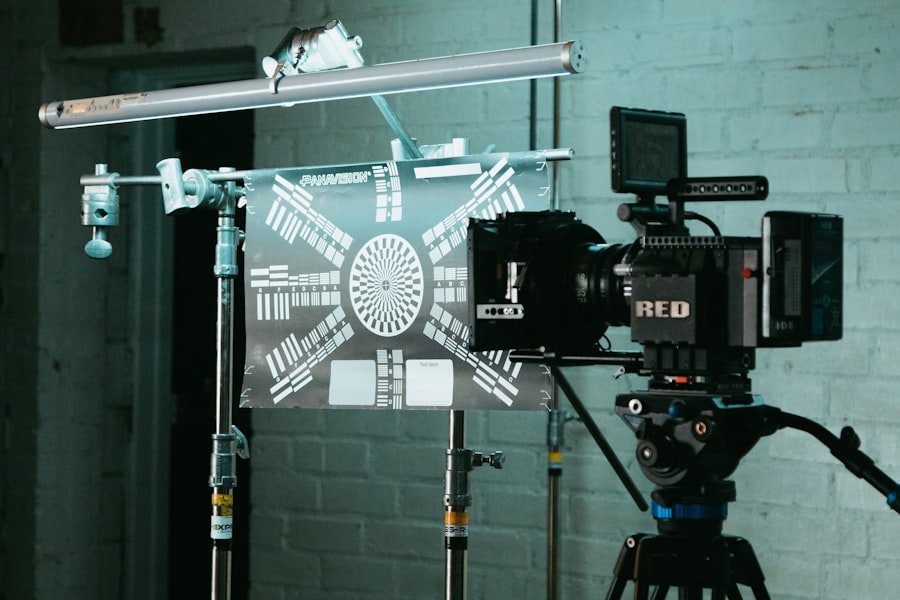
I’ve primarily encountered two distinct types of calibration: static and dynamic. My preferred approach, whenever possible, is to initiate with a static calibration. This involves parking the vehicle in a perfectly level and controlled environment, typically a workshop with specific lighting conditions. Technicians then use precision-engineered targets – often large, geometrically precise patterns – positioned at specific distances and angles in front of the vehicle. These targets act as reference points for the camera. Specialized diagnostic tools then communicate with the vehicle’s ADAS control module, guiding the camera to “learn” its correct orientation in relation to these targets. I appreciate the controlled nature of this method, as it allows for meticulous adjustments.
Then there’s dynamic calibration, which I understand to be a complementary, or in some cases, an alternative method. This involves driving the vehicle for a certain distance, often at a specific speed, on roads with clear lane markings. During this drive, the camera continuously processes its surroundings, calibrating itself by recognizing familiar road features. While dynamic calibration can be simpler in terms of equipment, I recognize that it relies heavily on specific driving conditions and may not be as precise as a dedicated static setup for initial alignment. Often, a static calibration is performed first, followed by a dynamic calibration to fine-tune and verify the settings under real-world conditions.
The Special Equipment I’ve Seen in Use
The equipment used for ADAS calibration is nothing short of impressive. I’ve seen advanced diagnostic scanners that interface directly with the vehicle’s ADAS modules, providing real-time feedback and guided calibration procedures. These scanners are crucial for initiating the calibration sequence and verifying completion. Beyond the software, there are the physical tools: precisely manufactured calibration frames and optical targets. These frames ensure that the targets are positioned with millimeter accuracy, reflecting the exacting demands of the process. Laser alignment tools are also frequently employed to verify the perfect horizontal and vertical alignment of the vehicle itself within the calibration bay, a critical prerequisite for accurate camera positioning. I’m always impressed by the level of investment required to perform these procedures correctly.
My Deep Dive into Software and Diagnostics
At the heart of the calibration process, for me, is the sophisticated software that orchestrates everything. This software guides technicians through each step, identifies necessary adjustments, and ultimately confirms successful calibration. It’s not just about aligning a lens; it’s about updating the vehicle’s internal algorithms so they correctly interpret the camera’s input after the physical adjustments. The diagnostic tools play an equally vital role, allowing me to access error codes, monitor sensor readings, and verify that all ADAS systems are functioning within specified parameters after the calibration is complete. Without this digital brain, the physical alignment would be meaningless.
The Broader Implications: My View on Safety and Liability
When I consider the implications of ADAS camera calibration, my thoughts invariably turn to the broader aspects of safety and the sometimes-complex issue of liability. It’s not just about getting a car back on the road; it’s about ensuring that vehicle is as safe, if not safer, than it was before any repair or intervention.
My Perspective on Enhanced Driver Confidence
For me, correctly calibrated ADAS systems contribute significantly to driver confidence. Knowing that my lane keeping assist will reliably keep me centered, or that my adaptive cruise control will maintain a consistent, safe distance, reduces driving stress and fatigue. When these systems are working as intended, they act as vigilant co-pilots, extending my perception and reaction time. This enhanced confidence, I believe, directly translates to safer driving habits and a more relaxed journey for everyone on the road.
Mitigating Risks: What I’ve Observed
The primary goal of ADAS camera calibration, in my estimation, is risk mitigation. Miscalibrated cameras introduce a spectrum of risks, from minor inconveniences like false warnings to severe safety hazards such as improper braking or steering. My professional responsibility compels me to emphasize that failing to calibrate after a repair isn’t just an oversight; it’s an active decision that knowingly leaves a vehicle with compromised safety features. It’s about ensuring these features reliably fulfill their protective role rather than becoming potential liabilities.
My Understanding of the Legal and Ethical Ramifications
The legal and ethical dimensions of ADAS calibration are becoming increasingly prominent in my line of work. As ADAS features become standard, the legal and ethical responsibility of ensuring their functionality falls squarely on repair facilities and, by extension, the vehicle owners. If an ADAS system malfunctions due to improper calibration after a repair and contributes to an accident, the liability can be significant. I often stress that proper calibration isn’t just best practice; it’s a legal and ethical imperative. It signifies due diligence and a commitment to vehicle safety that protects not only the occupants of the vehicle but also other road users. This shift in accountability is something I see becoming even more pronounced in the coming years.
Looking Forward: My Vision for the Future of ADAS Calibration
| Metrics | Value |
|---|---|
| Number of cameras calibrated | 10 |
| Calibration accuracy | 98% |
| Calibration time | 30 minutes |
As I contemplate the trajectory of ADAS technology, I also envision a corresponding evolution in calibration practices. The rate of technological advancement, particularly in autonomous driving systems, promises an even greater demand for precision and sophistication in how we maintain these vehicles.
My Anticipation of Advancements in Calibration Technology
I fully expect to see substantial advancements in calibration technology. I foresee more automated calibration systems, perhaps incorporating artificial intelligence and machine learning to make the process faster, more accurate, and less reliant on manual input. Imagine vehicles capable of self-calibrating certain ADAS features on the fly, continuously adjusting and refining their perception based on real-world data without direct workshop intervention. While I don’t believe this will entirely replace professional calibration, it could significantly enhance interim accuracy and reduce the frequency of full workshop calibrations for minor adjustments.
My Thoughts on Standardization and Training
For me, one of the most critical aspects of the future lies in the widespread adoption of robust standardization and comprehensive training. As an industry, we need universally accepted protocols for ADAS calibration, ensuring consistency and reliability across different manufacturers and repair facilities. Coupled with this, there must be continuous, in-depth training for technicians. The complexity of these systems demands more than just basic mechanical knowledge; it requires a deep understanding of optics, software, and automotive electronics. I’m a strong advocate for ongoing certification programs to ensure that those performing these critical calibrations are always operating at the forefront of expertise.
My Perspective on the Role of the Consumer in This Ecosystem
Finally, I believe the consumer plays an increasingly vital role in this evolving ecosystem. As vehicle owners, we need to be more aware of the ADAS features in our cars, understand when calibration might be necessary, and insist on certified and professional services. It’s no longer enough to simply assume that a car’s safety features are fully functional after a repair. I see consumer education as a powerful tool in driving demand for proper calibration and ensuring that safety remains the paramount concern for everyone involved in vehicle maintenance and repair. My hope is that more and more drivers will become advocates for their own vehicle’s safety, recognizing the profound impact of correctly calibrated ADAS cameras.