


What’s Really Different About RV and Classic Car Windshield Replacement?
Replacing a windshield on your trusty RV or a cherished classic car isn’t quite the same as swapping one out on your everyday sedan. The biggest differences boil down to size, complexity, material, and the often-unique circumstances surrounding the vehicle itself. Think of it as going from a standard puzzle to a massive, custom-made mural.
## The Scale of the Job: More Than Just Glass
Let’s start with the obvious: RV windshields are big. We’re talking massive pieces of glass that can be several feet wide and tall. This sheer size immediately makes the job more physically demanding and requires specialized equipment.
## Handling the Giants
Unlike a car windshield that one or two technicians can manage, an RV windshield often needs a team. We’re talking about coordinating multiple people to lift, maneuver, and precisely set a giant pane of glass into its frame. This isn’t just about brute strength; it’s about controlled movement and avoiding any accidental contact that could chip or break the new glass before it’s even installed.
## Specialized Equipment is Key
To handle these behemoths, specialized suction cups, lifting frames, and sometimes even cranes or forklifts are necessary. These aren’t tools you’ll find in a typical auto glass shop’s everyday toolkit. The sheer weight and unwieldy nature of RV windshields demand equipment designed specifically for the task. This can also impact where the replacement can happen – sometimes it needs to be done at a dedicated facility.
## Classic Cars: A Different Kind of Challenge
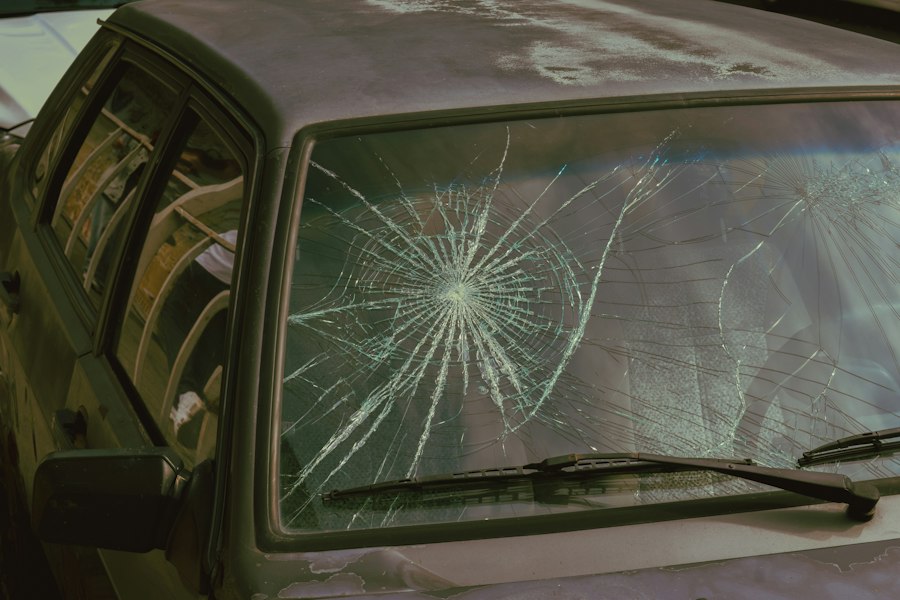
Classic cars present a whole other set of complexities, often stemming from their age and unique construction. The challenge here isn’t always about size, but about rarity, fitment, and preserving originality.
## Sourcing the Right Glass
Finding a direct replacement for a classic car windshield can be a treasure hunt. Manufacturers often stopped producing these specific windshields decades ago. This means a lot of searching through specialized suppliers, online marketplaces, and sometimes even having to commission custom glass. The cost and lead time for these can be significantly higher than for common vehicles.
## Fitment and Frame Integrity
Older vehicles were built differently. The frames might be made of materials that have aged, corroded, or warped over time. Ensuring a perfect seal with a new windshield requires meticulous attention to the condition of the frame. This might involve repairs, rust treatment, or even minor fabrication to make sure the new glass sits correctly and is securely bonded.
## Maintaining Originality
For many classic car owners, preserving the vehicle’s originality is paramount. This can influence the type of glass chosen (e.g., single pane vs. laminated, tinted vs. clear) and the installation methods. Sometimes, original factory adhesives or sealants are no longer available, requiring careful selection of modern alternatives that mimic the original properties without compromising safety or aesthetics.
## The Materials Matter: More Than Just Tint
The type of glass used, especially for RVs, can also be a distinguishing factor. It’s not always just a matter of picking the cheapest option.
## Laminated vs. Toughened Glass
Most modern vehicles use laminated windshields, which are two layers of glass with a plastic interlayer. This is for safety – when the glass breaks, it tends to shatter into large, relatively dull pieces rather than sharp shards. RVs, especially larger ones, often use laminated glass for the same reasons, but the sheer size introduces different stress factors during installation and driving. Classic cars, depending on their era, might have originally used toughened (tempered) glass, which shatters into small, granular pieces. While some owners might opt for laminated for safety, others prefer to stick with the original type for historical accuracy, which can complicate sourcing and installation.
## Specialized Coatings and Tints
RV windshields can sometimes feature special coatings to reduce heat or UV radiation, improving comfort inside the vehicle. These can add to the cost and complexity of sourcing the correct replacement. Similarly, some classic cars might have had specific tints or even iridescent coatings that are difficult to replicate.
## The Installation Process: A Different Playbook
| Aspect | RV Windshield Replacement | Classic Car Windshield Replacement |
|---|---|---|
| Glass Type | Large laminated safety glass, often custom-sized | Original style glass, sometimes tempered or laminated to match vintage specs |
| Size & Shape | Typically very large and curved, requiring specialized handling | Varies widely; often smaller but with unique shapes and curves |
| Installation Complexity | High due to size and weight; may require multiple technicians | Moderate to high; requires careful preservation of original trim and seals |
| Availability of Replacement Glass | Often custom ordered or fabricated | May require sourcing from specialty suppliers or custom fabrication |
| Cost Factors | Higher due to size, custom glass, and labor | Varies; can be high due to rarity and need for authenticity |
| Sealant & Adhesives | Use of heavy-duty, weather-resistant adhesives designed for large glass | May require period-correct or specialized adhesives to maintain authenticity |
| Time Required | Several hours to a full day depending on complexity | Several hours; additional time for careful trim and detail work |
| Additional Considerations | Structural integrity of RV frame must be maintained | Preservation of original aesthetics and materials is critical |
The actual hands-on process of replacing an RV or classic car windshield is where many of the practical differences become most apparent.
## Access and Obstructions
Getting to an RV windshield can be an adventure in itself. You’re often dealing with large awnings, side mirrors that are integrated into the glass assembly, or complex bodywork surrounding the windshield. These all need to be carefully removed and reinstalled, adding hours to the job and requiring careful documentation so everything goes back in the right place. For classics, access might be limited by the vehicle’s low profile or intricate trim pieces that are fragile.
## Adhesives and Sealants
The bonding of the windshield to the vehicle frame is critical for structural integrity and water-tightness. For RVs, the large size and potential for flexing on the road require specific, high-strength adhesives that can handle the stresses. For classics, the choice of adhesive might also need to consider compatibility with older frame materials and the desire for a reversible installation if possible. The curing times for these specialized adhesives can also be longer, meaning the vehicle might need to stay put for an extended period after the installation.
## Calibration and Testing
Modern RVs, like cars, can have advanced driver-assistance systems (ADAS) integrated into the windshield. After replacement, these systems, such as lane departure warnings or automatic emergency braking, need to be recalibrated. This is a crucial step that requires specialized equipment and expertise. For classics, this isn’t typically an issue, but the focus shifts to ensuring a perfect seal against the elements, as leaks can cause significant damage to interior components.
## Beyond the Glass: Logistics and Cost Considerations
The differences in RV and classic car windshield replacement extend beyond the physical act of swapping out the glass, impacting the planning and budgeting for the job.
## Mobility and Location
When your vehicle is a car, taking it to an auto glass shop is usually straightforward. For an RV, this can be a major undertaking. Many RV owners opt for mobile service, where technicians come to their location, whether that’s a campground, a storage facility, or their home. This adds a layer of logistical planning for the service provider and can sometimes influence the cost due to travel time and specialized equipment transport. Classic cars, while usually drivable, might require transport if the windshield is severely damaged or the car is not roadworthy, adding another layer to the process.
## Time and Expense
As you’ve probably gathered, replacing an RV or classic car windshield is rarely a quick, same-day affair like it is for most cars. The sourcing of rare glass, the specialized labor, the extended installation time, and the need for specific equipment all contribute to a higher overall cost. It’s an investment in the usability and value of your recreational vehicle or a vital part of preserving a piece of automotive history. It’s essential to get quotes from specialists experienced in these types of vehicles to understand the full scope and expense involved.