

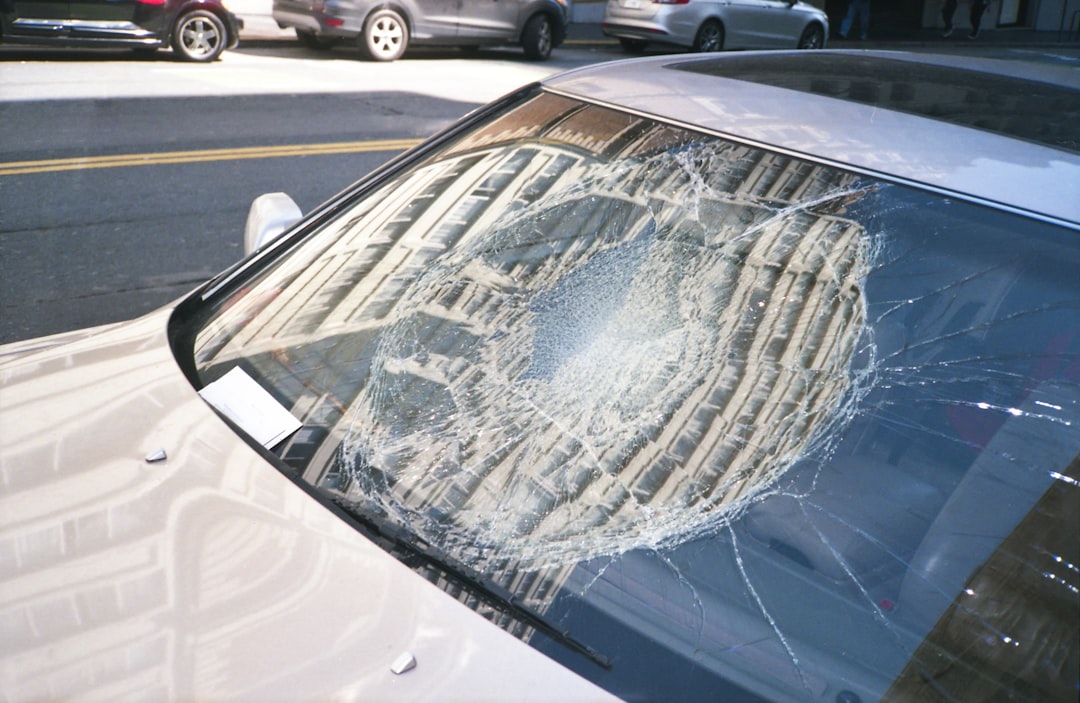

The sun was glinting off my rearview mirror a few weeks ago when I heard it – a sharp, distinct crack. My heart sank as I saw the spiderweb forming on my windshield. It wasn’t a small chip I could ignore; this was a break that demanded immediate attention. As I drove cautiously home, staring at the expanding web of damage, my mind immediately went to the inevitable question: “What’s this going to cost me?” Thus began my deep dive into the world of windshield replacement costs, a journey I’m eager to share with you.
Before I even picked up the phone, I realized that a simple “how much is a windshield?” question wasn’t going to cut it. There are so many variables at play, and understanding them helped me frame my expectations and better evaluate the quotes I received. It’s not just a piece of glass; it’s an integral part of your car’s structure and safety.
Vehicle Make and Model
This was the first and most obvious factor that came to mind. My car, a reasonably common sedan, I figured wouldn’t be as expensive as, say, a luxury SUV. And I was right. Generally, premium and luxury vehicles, or those with highly specialized or rare features, will have a higher replacement cost simply due to the demand and availability of the glass. Imagine trying to find a windshield for a vintage car versus a brand-new Toyota Camry. The difference in accessibility and manufacturing scale alone would impact the price significantly.
Type of Glass
To my surprise, windshields aren’t just plain sheets of glass. I learned there are several types, each with its own characteristics and, you guessed it, price point.
Standard Laminated Glass
This is what most cars have. Two layers of glass with a layer of polyvinyl butyral (PVB) plastic in between. This interlayer is crucial as it holds the glass together when it breaks, preventing shards from flying into the cabin. It’s a safety feature I’d always taken for granted until my own windshield cracked. This is usually the cheapest option.
Acoustic or Sound-Dampening Glass
I discovered that some higher-end vehicles, or those focused on a quieter cabin experience, use acoustic glass. This often involves a thicker PVB layer or specialized acoustic dampening films embedded within the laminate. This extra engineering means a higher cost, but it does make for a noticeably quieter ride. My car didn’t have this, but it’s something to consider for those who prioritize cabin serenity.
Solar-Control or UV-Blocking Glass
Living in a sunny climate, this option piqued my interest. Solar-control glass has coatings or treatments that reflect or absorb a portion of the sun’s infrared and ultraviolet rays. This helps keep the car cooler and protects the interior from UV damage. It’s a nice feature, but it inevitably adds to the cost.
Heated Windshields
For drivers in colder climates, heated windshields are a godsend, quickly melting ice and snow. These have fine heating elements embedded within the glass. While incredibly convenient, these elements add complexity to manufacturing and installation, pushing up the price. I’m glad I don’t live somewhere that necessitates this, as it definitely seemed like a cost multiplier.
Integrated Antennas or Sensors
This is where modern cars really start to rack up the cost. Many contemporary vehicles integrate radio antennas, GPS antennas, or even rain sensors directly into the windshield. Replacing a windshield with these integrated components means you’re not just paying for glass; you’re paying for the electronics too, and the labor required to carefully reconnect them.
Advanced Driver-Assistance Systems (ADAS) Calibration
This was a major revelation for me and a significant factor in the final cost. My car, while not cutting-edge, does have some ADAS features like lane departure warning and automatic emergency braking. I learned that many of the sensors for these systems are mounted on or behind the windshield.
Camera-Based Systems
Lane-keeping assist, adaptive cruise control, and automatic high beams often rely on cameras strategically placed near the rearview mirror. When the windshield is replaced, these cameras, even if they aren’t physically moved, need to be recalibrated to ensure they are accurately aligned with the road. This recalibration is a specialist job, requiring specific tools and software, and it’s something many independent auto glass shops might not be equipped to do. It’s not just a quick adjustment; it’s a detailed process that ensures your safety systems function as intended.
Radar and Lidar-Based Systems
While less commonly mounted directly on the windshield itself, the correct functioning of radar and lidar systems (often found in the bumper or grille) can still be impacted by the windshield if their field of view is obstructed or changed. While recalibration here is less direct, ensuring the entire safety ecosystem works harmoniously is paramount. My research indicated that ADAS recalibration can add anywhere from $150 to $500 or more to the total cost. It suddenly made the initial glass price seem almost secondary.
OEM vs. Aftermarket Glass
This is a choice I wasn’t initially aware of, and it can significantly impact the price and, potentially, the quality.
Original Equipment Manufacturer (OEM) Glass
This is glass made by the same manufacturer that supplied the original windshield for your car. It will have the car manufacturer’s logo stamped on it and is guaranteed to be an exact match in terms of fit, finish, and optical clarity. It’s generally the most expensive option, but it offers peace of mind regarding quality and compatibility, especially for vehicles with complex ADAS systems.
Original Equipment Equivalent (OEE) Glass
Sometimes referred to as “dealer quality” aftermarket glass, OEE glass is produced by a manufacturer that may also supply glass to carmakers, but it won’t bear the car brand’s specific logo. It aims to meet the same quality and safety standards as OEM. This is often a good compromise between quality and cost.
Aftermarket Glass
This type of glass is produced by other manufacturers and may not always meet the exact specifications of the original. While often more affordable, there’s a wider range in quality among aftermarket options. Some might be perfectly fine, while others could have minor optical distortions or fitment issues. When cutting costs, this is an area where some shops might try to save, but I was always wary of going too cheap on something so safety-critical.
Labor Costs and Shop Reputation
The experience and reputation of the auto glass shop also play a significant role. A highly experienced technician using quality adhesives and following manufacturer-recommended procedures will undoubtedly charge more for labor than a less experienced outfit.
Mobile vs. Shop Installation
Many shops offer mobile windshield replacement services, where they come to your home or workplace. This convenience factor can sometimes add a small surcharge. While tempting for its ease, I opted for a shop installation for greater control over the environment (e.g., controlled temperature and dust-free conditions for proper adhesive curing).
Shop Overheads
Larger, more established shops with better facilities and equipment will naturally have higher overheads, which are often reflected in their prices. However, they also often come with better warranties and more specialized tools, especially for ADAS calibration.
The Average Cost Breakdown I Found
After extensive calls and online research, I started to compile a clearer picture of what I could expect. It wasn’t a single number, but rather a range based on all the factors I’d identified.
Entry-Level Vehicles (e.g., older compact cars, basic sedans)
For these types of vehicles, especially those without ADAS features or specialized glass, the costs are generally at the lower end.
Basic Windshield Replacement
I found quotes typically ranging from $200 to $400 for just the glass and basic installation. This would usually be for standard laminated aftermarket or OEE glass. If I were driving an older secondary car, this might have been my experience.
Mid-Range Vehicles (e.g., common sedans, smaller SUVs)
My car fell squarely into this category. This is where ADAS calibration started to become a significant part of the cost.
Standard Replacement with ADAS Calibration
My initial quotes for OEM or high-quality OEE glass, plus installation and ADAS recalibration, hovered between $400 and $700. This seemed to be the sweet spot for a comprehensive, safety-compliant replacement. I found a few outliers that were slightly lower, but they often didn’t explicitly mention ADAS recalibration in their initial quote, raising a red flag for me.
Luxury or High-End Vehicles (e.g., premium sedans, larger SUVs, sports cars)
For these cars, the costs can escalate quickly, especially if they have multiple advanced features.
Complex Windshield Replacement with Multiple Features
Quotes for these vehicles, often including acoustic or solar-control glass, integrated sensors, and multiple ADAS calibrations, could easily range from $700 to $1,500+. In some extreme cases, for highly specialized vehicles, I even saw reports of costs exceeding $2,000. It really emphasized how much modern automotive technology impacts repair expenses.
The Role of Auto Insurance in Windshield Replacement
This was the biggest sigh of relief for me. I quickly remembered my comprehensive insurance policy.
Deductibles and Coverage
My comprehensive auto insurance policy fortunately includes glass breakage coverage. However, my deductible is $500. This meant that if the total cost of the replacement was below $500, I would be paying out of pocket. If it was above $500, I would pay my deductible, and the insurance would cover the rest. In my case, with the ADAS recalibration, the total was well over $500, so my deductible came into play.
Zero-Deductible Glass Coverage
I learned that some insurance policies offer specific “zero-deductible glass coverage” as an add-on. This means that windshield replacements (and sometimes other glass damage) are covered with no out-of-pocket cost to the policyholder. If I had known how common windshield damage was, I might have opted for this extra coverage. It only adds a small amount to the premium but can save a significant amount if an incident occurs. For future reference, I’m definitely looking into this.
Filing a Claim
Filing the claim was surprisingly straightforward. I called my insurance provider, explained the damage, and they connected me with their approved network of auto glass repair shops. They even asked about ADAS features to ensure proper recalibration was included in the quote. It made me feel confident that the process would be handled professionally and safely.
Impact on Premiums
One of my biggest concerns was whether filing a windshield claim would increase my insurance premiums. My agent assured me that in most states, glass-only claims processed under comprehensive coverage (not collision) typically do not result in a premium increase, as they are often considered “no-fault” incidents. This was a huge relief, dispelling a common misconception I had held.
Choosing the Right Auto Glass Repair Shop
With all the complexities surrounding modern windshields, I understood that selecting the right shop was crucial for both safety and value. It wasn’t just about finding the cheapest quote.
Certifications and Experience
I looked for shops that had certified technicians, preferably those with specialized training in ADAS calibration. Certifications from organizations like the Auto Glass Safety Council (AGSC) were a good indicator of commitment to safety and quality. I explicitly asked shops about their ADAS calibration capabilities and whether they performed it in-house or outsourced it.
Warranty on Workmanship and Glass
A reputable shop will offer a warranty on both the glass itself (against manufacturing defects) and on their workmanship (against leaks, air noise, or installation errors). I made sure to clarify the terms of the warranty before proceeding. A lifetime warranty on workmanship was a strong selling point for several of the more reputable shops.
Adhesive Quality and Curing Time
The adhesive used to bond the windshield to the car’s frame is vital for structural integrity and passenger safety. I inquired about the type of adhesive they used and its specified curing time. It’s important not to drive the car or put stress on the new windshield before the adhesive has fully cured, which can take several hours, or even a full day, depending on environmental conditions. A good shop will advise you clearly on the safe drive-away time.
Customer Reviews and Reputation
As with any service, online reviews and local reputation were significant. I checked Google Reviews, Yelp, and even asked for recommendations from friends and local mechanics. Consistent positive feedback about professional service, clear communication, and quality work was what I was looking for.
Final Steps and My Experience
| City | Average Cost |
|---|---|
| New York | 300 |
| Los Angeles | 250 |
| Chicago | 280 |
| Houston | 270 |
After weighing all the options, I chose a local auto glass shop that was part of my insurance company’s network. They had excellent reviews, specifically mentioned ADAS recalibration on their website, and their quote was competitive (within the mid-range I had identified).
The Installation Process
I dropped off my car, and they estimated it would take about 3-4 hours, including the ADAS calibration. They had a comfortable waiting area, which was a plus. When I picked up my car, the new windshield looked perfect. The technician walked me through the work they had done, confirmed the ADAS systems were recalibrated and functioning correctly (showing me printouts from their diagnostic tools), and explained the adhesive curing instructions – no car washes for 24 hours, and try to avoid high-speed driving for the first few hours.
Post-Installation Check
Over the next few days, I specifically tested my ADAS features – lane departure warning, automatic high beams, and automatic emergency braking (carefully, of course). Everything worked flawlessly. There were no strange noises, no leaks when it rained, and the optical clarity was excellent.
Conclusion
My unexpected windshield crack turned into a crash course in automotive glass technology and repair costs. What I initially thought would be a simple, quick fix opened my eyes to the complexities of modern vehicle safety systems. The average cost of windshield replacement isn’t a single figure; it’s a dynamic range influenced by vehicle type, glass features, ADAS calibration needs, and choice of service provider.
For my mid-range sedan with ADAS features, the total cost before my insurance deductible was around $600. Without my comprehensive coverage (and specifically, the ADAS recalibration), that bill could have been much higher and potentially compromised the safety features of my vehicle.
My advice to anyone facing a similar situation is simple: don’t just chase the cheapest price. Understand your car’s specific needs, especially regarding ADAS. Prioritize safety, quality materials, and certified technicians. And, crucially, check your insurance policy – it could save you a significant amount of money and stress. A cracked windshield is an annoyance, but a properly replaced one ensures your continued safety on the road, and that, to me, is priceless.