

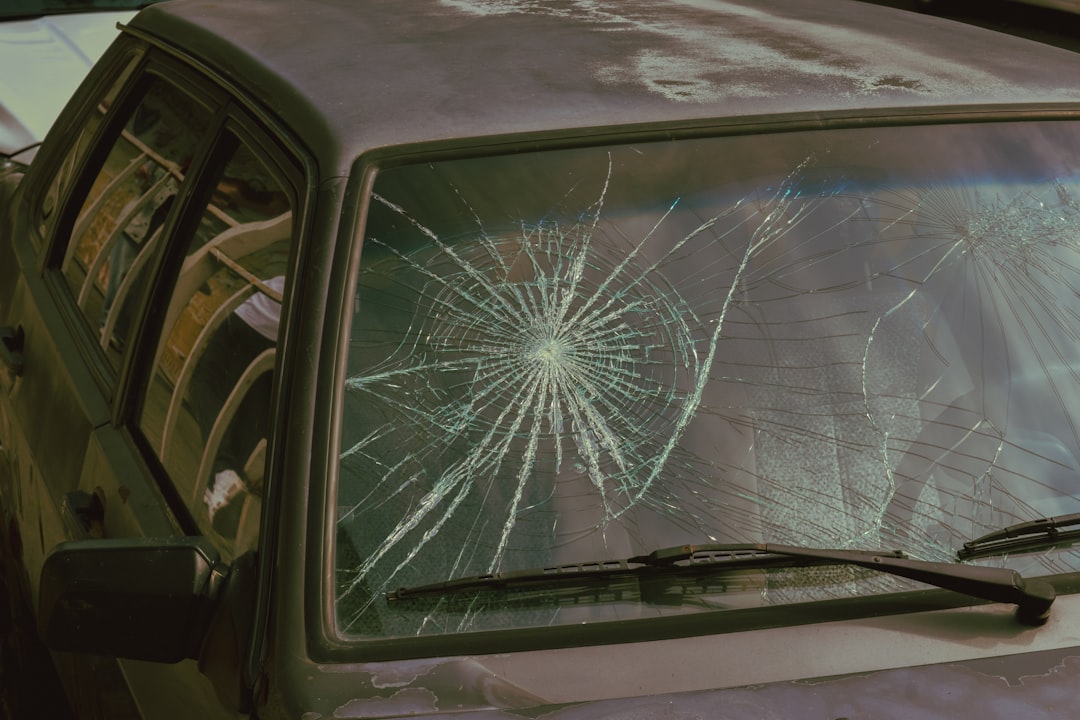

Driving with a cracked windshield poses significant risks that extend beyond mere aesthetics. A windshield is not just a barrier against wind and debris; it plays a crucial role in the structural integrity of a vehicle. When a windshield is compromised, it can affect the overall safety of the vehicle, particularly in the event of an accident.
Cracks can obstruct the driver’s view, making it difficult to see pedestrians, traffic signals, and other vehicles. This impaired visibility can lead to dangerous situations on the road, increasing the likelihood of collisions. Moreover, a cracked windshield can weaken the vehicle’s frame.
In a crash, the windshield provides essential support to the roof, helping to prevent it from collapsing. A compromised windshield may not withstand the forces of an impact, putting occupants at greater risk of injury. The National Highway Traffic Safety Administration (NHTSA) has reported that improperly installed or damaged windshields can lead to fatalities in rollover accidents.
Therefore, driving with a cracked windshield is not merely an inconvenience; it is a serious safety hazard that should not be overlooked.
Key Takeaways
- Driving with a cracked windshield compromises vehicle safety and increases accident risk.
- Cracks can interfere with advanced safety systems like airbags and sensors.
- Clear visibility through an intact windshield is crucial for safe driving.
- Legal penalties may apply for operating a vehicle with a damaged windshield.
- Prompt repair or replacement prevents further damage and ensures driver safety.
The Impact of a Cracked Windshield on Vehicle Safety Systems
Modern vehicles are equipped with advanced safety systems that rely on the integrity of the windshield. Features such as lane departure warning systems, adaptive cruise control, and automatic emergency braking often utilize sensors and cameras mounted on or near the windshield. A crack can interfere with these systems, leading to malfunctions or inaccurate readings.
For instance, if a camera is misaligned due to a damaged windshield, it may fail to detect vehicles or obstacles accurately, compromising the effectiveness of these safety features. Additionally, many vehicles today are designed with heads-up displays (HUDs) that project important information onto the windshield. A crack can distort this information, making it difficult for drivers to access critical data such as speed and navigation prompts.
This distraction can divert attention from the road, further increasing the risk of accidents. As vehicles become more reliant on technology for safety, the importance of maintaining a clear and intact windshield cannot be overstated.
The Importance of Absolute Clarity for Safe Driving
Absolute clarity in a vehicle’s windshield is paramount for safe driving. A clear view allows drivers to make informed decisions based on their surroundings. Even minor imperfections, such as small chips or cracks, can create glare or distort vision, particularly in bright sunlight or at night when headlights are present.
This distortion can lead to misjudgments about distance and speed, which are critical factors in safe driving. Furthermore, weather conditions can exacerbate the dangers associated with a cracked windshield. Rain or snow can accumulate in cracks, obstructing visibility even further.
In adverse weather conditions, such as fog or heavy rain, having an unobstructed view is essential for navigating safely. Drivers must be able to see clearly to react promptly to changing road conditions and potential hazards. Therefore, maintaining absolute clarity in the windshield is not just a matter of comfort; it is a fundamental aspect of road safety.
The Legal Implications of Driving with a Cracked Windshield
Driving with a cracked windshield can also have legal ramifications that drivers may not fully understand. Many states have specific laws regarding vehicle maintenance and safety standards, including regulations about windshield integrity. In some jurisdictions, law enforcement officers have the authority to issue citations for driving with a cracked or damaged windshield if it is deemed to obstruct the driver’s view.
Fines can vary significantly depending on local laws, but they can add up quickly if multiple infractions occur. In addition to fines, there are potential implications for insurance coverage. If an accident occurs while driving with a cracked windshield, insurance companies may scrutinize the condition of the vehicle during claims processing.
If it is determined that the crack contributed to the accident or impaired visibility, insurers may deny claims or reduce payouts. This could leave drivers facing significant financial burdens in addition to any legal penalties incurred from driving with an unsafe vehicle.
The Potential Consequences of Neglecting a Cracked Windshield
| Safety Metric | Description | Impact of Cracked Windshield |
|---|---|---|
| Visibility | Clear view of the road and surroundings | Cracks distort vision, increasing risk of accidents |
| Structural Integrity | Windshield supports roof and passenger protection | Cracks weaken windshield, reducing protection in rollovers |
| Airbag Deployment | Windshield acts as a backstop for airbags | Damaged windshield may cause improper airbag function |
| Legal Compliance | Regulations require intact windshields for safety | Driving with cracks can lead to fines or citations |
| Accident Risk | Likelihood of collision or injury | Cracked windshields increase accident risk by up to 30% |
Neglecting a cracked windshield can lead to a cascade of consequences that extend beyond immediate safety concerns. Over time, small cracks can expand due to temperature fluctuations, road vibrations, and other environmental factors. What may start as a minor inconvenience can quickly escalate into a larger problem requiring complete windshield replacement rather than simple repair.
This not only increases repair costs but also prolongs the period during which the driver is exposed to safety risks. Furthermore, neglecting repairs can lead to additional damage within the vehicle itself. Water can seep through cracks during rainstorms, potentially damaging electrical components or causing mold growth inside the cabin.
This can result in costly repairs that could have been avoided with timely attention to the cracked windshield. The longer drivers wait to address these issues, the more complex and expensive they may become.
The Benefits of Promptly Repairing or Replacing a Cracked Windshield

Promptly addressing a cracked windshield offers numerous benefits that go beyond mere aesthetics. First and foremost, repairing or replacing a damaged windshield restores visibility and ensures that drivers have an unobstructed view of their surroundings. This clarity is essential for making quick decisions on the road and avoiding potential hazards.
Additionally, many repair services offer quick turnaround times, allowing drivers to get back on the road safely without significant delays. Moreover, addressing windshield damage promptly can save money in the long run. Many insurance policies cover windshield repairs at little to no cost to the driver, especially if they opt for repair over replacement.
By taking advantage of these services early on, drivers can avoid more extensive damage that could lead to higher repair costs later. Furthermore, maintaining an intact windshield helps preserve the vehicle’s resale value; potential buyers are often wary of vehicles with visible damage.
Understanding the Dangers of Driving with a Cracked Windshield
Understanding the dangers associated with driving with a cracked windshield requires recognizing how such damage affects both visibility and vehicle integrity. A crack can create blind spots that impede a driver’s ability to see other vehicles or pedestrians clearly. This lack of visibility increases reaction times and can lead to accidents that might otherwise have been avoided with an unobstructed view.
Additionally, there are psychological factors at play when driving with a damaged windshield. Drivers may become distracted by their awareness of the crack or worry about its implications for their safety and that of their passengers. This distraction can lead to lapses in attention and focus on the road ahead, further increasing the risk of accidents.
The combination of impaired visibility and mental distraction creates a dangerous scenario that should be taken seriously by all drivers.
Absolute Clarity Safety: Tips for Maintaining a Safe and Clear Windshield
To maintain absolute clarity and ensure safe driving conditions, several proactive measures can be taken regarding windshield care. Regular inspections are essential; drivers should routinely check their windshields for any signs of chips or cracks and address them immediately upon discovery. Many repair services offer mobile options that allow technicians to come directly to the driver’s location for convenience.
Additionally, keeping windshields clean is vital for optimal visibility. Dirt and grime can exacerbate any existing damage by creating glare or obstructing light transmission through cracks. Using appropriate cleaning solutions and microfiber cloths helps maintain clarity without scratching the glass surface.
Furthermore, investing in high-quality wiper blades ensures that rainwater is effectively cleared from the windshield during inclement weather. In conclusion, maintaining a clear and intact windshield is crucial for safe driving and overall vehicle integrity. By understanding the risks associated with cracked windshields and taking proactive steps for maintenance and repair, drivers can significantly enhance their safety on the road while also protecting their investment in their vehicle.