

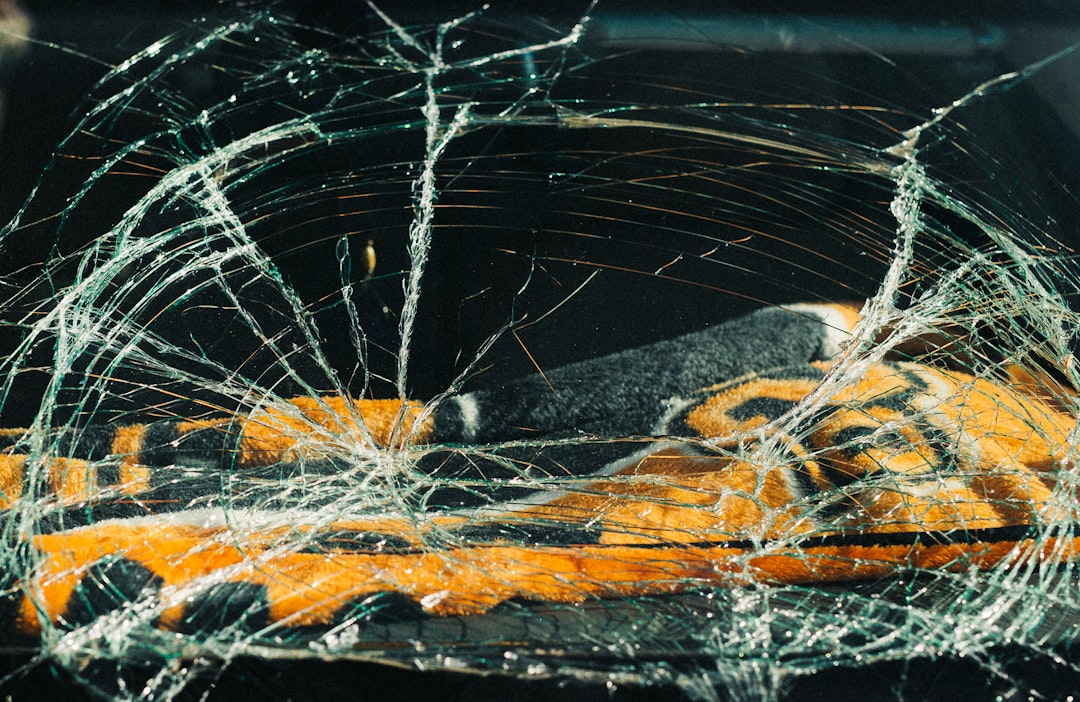

Windshield damage is a common issue faced by vehicle owners, yet its significance is often underestimated. A cracked or chipped windshield not only compromises the aesthetic appeal of a vehicle but also poses serious safety risks. The windshield plays a crucial role in maintaining the structural integrity of a car, especially in the event of a collision.
It provides support to the roof and helps prevent it from collapsing during an accident. Moreover, a damaged windshield can impair the driver’s visibility, increasing the likelihood of accidents. Therefore, addressing windshield damage promptly is essential for both safety and compliance with legal standards.
When faced with windshield damage, vehicle owners typically grapple with the decision of whether to repair or replace the glass. Repairing a windshield is often a more cost-effective solution, especially for minor chips and cracks. However, if the damage is extensive or located in the driver’s line of sight, replacement may be the only viable option.
Understanding the nuances between repair and replacement is critical for making an informed decision that prioritizes safety while also considering financial implications.
Key Takeaways
- Timely addressing windshield damage is crucial to ensure safety and avoid higher costs.
- Repair costs depend on damage size, location, and type, while replacement costs vary by vehicle model and glass quality.
- Absolute Clarity provides clear price guides to help consumers understand repair and replacement expenses.
- Delaying windshield repair or replacement can lead to increased damage, higher costs, and safety risks.
- Repairing windshields is generally more environmentally friendly than replacing them, reducing waste and resource use.
The cost of repairing a windshield can vary significantly based on several factors. One of the primary determinants is the size and type of damage. Small chips or cracks that are less than six inches in length are generally easier and less expensive to repair.
In contrast, larger cracks or those that extend across multiple layers of glass may require more extensive work, leading to higher costs. Additionally, the location of the damage plays a crucial role; chips located within the driver’s direct line of sight may necessitate replacement rather than repair, further influencing costs. Another factor affecting repair costs is the type of vehicle.
Luxury vehicles or those equipped with advanced driver-assistance systems (ADAS) often have specialized windshields that require specific repair techniques or materials, which can drive up costs. Furthermore, regional differences in labor rates and material costs can also impact the overall price of windshield repair. For instance, urban areas with higher living costs may see elevated prices compared to rural regions.
Insurance coverage can also play a role; some policies may cover repair costs entirely, while others may require a deductible that affects out-of-pocket expenses.
Factors Affecting Windshield Replacement Costs
When it comes to windshield replacement, several factors come into play that can significantly influence the overall cost. The first consideration is the make and model of the vehicle. High-end vehicles or those with unique features such as tinted glass or built-in sensors often have higher replacement costs due to the specialized nature of their windshields.
Additionally, vehicles with advanced safety features may require recalibration after replacement, adding to the overall expense. Labor costs are another critical factor in determining replacement prices. The complexity of the installation process can vary widely depending on the vehicle’s design and the type of adhesive used.
Some vehicles may require more time and expertise to replace the windshield properly, which can lead to increased labor charges. Furthermore, geographic location plays a significant role; areas with a higher cost of living typically see higher labor rates. Finally, warranty considerations can also affect costs; some replacement services offer warranties that cover future issues, which may be reflected in the initial price.
Absolute Clarity Price Guide for Windshield Repair
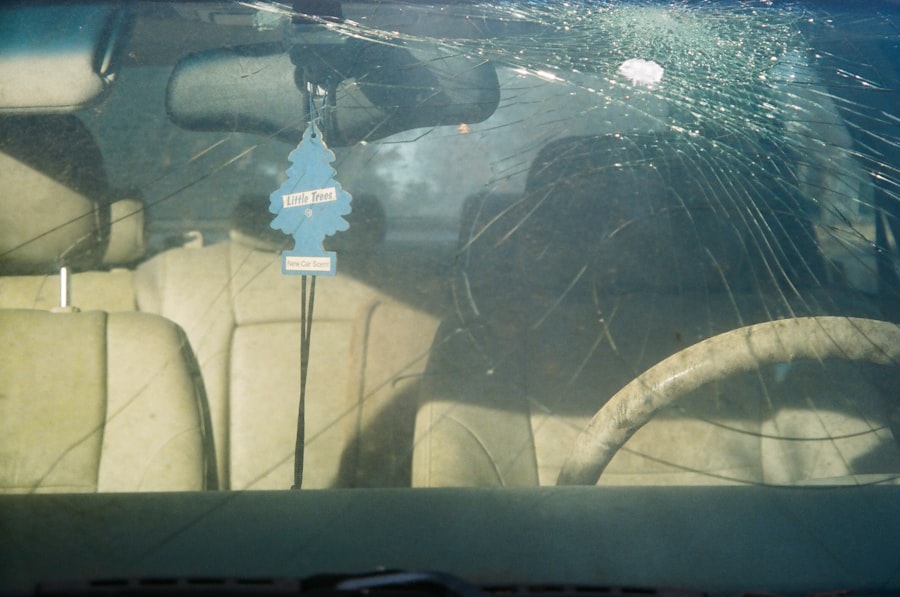
Absolute Clarity provides a comprehensive price guide for windshield repair services that reflects current market trends and regional variations. On average, minor repairs can range from $50 to $150, depending on factors such as location and the extent of damage. For instance, small chips or cracks that are easily accessible may fall on the lower end of this spectrum, while more complicated repairs could push costs higher.
In addition to standard pricing, Absolute Clarity also considers additional services that may be offered alongside repairs. For example, some companies provide mobile repair services that come to the customer’s location, which can incur additional fees but offer convenience for busy individuals. Furthermore, many repair shops offer discounts or promotions that can help reduce costs for customers seeking to address minor windshield damage promptly.
By providing transparent pricing information, Absolute Clarity empowers consumers to make informed decisions regarding their windshield repair needs.
Absolute Clarity Price Guide for Windshield Replacement
The Absolute Clarity price guide for windshield replacement outlines typical costs associated with this service, which can vary widely based on several factors. Generally speaking, replacement costs can range from $200 to $1,000 or more, depending on the vehicle’s make and model as well as any additional features present in the windshield. For example, standard sedans may see replacement costs around $300 to $500, while luxury SUVs could easily exceed $800 due to specialized glass and installation requirements.
Moreover, Absolute Clarity emphasizes the importance of considering warranty options when selecting a replacement service. Many reputable companies offer warranties that cover defects in workmanship or materials for a specified period after installation. While these warranties may slightly increase initial costs, they provide peace of mind for consumers who want assurance that their investment is protected against future issues.
By understanding these pricing structures and warranty options, consumers can make more informed choices when it comes to windshield replacement.
The Long-Term Impact of Delaying Windshield Repair or Replacement
| Aspect | Windshield Repair | Windshield Replacement |
|---|---|---|
| Average Cost | 100 – 150 | 200 – 400 |
| Time Required | 30 minutes to 1 hour | 2 to 3 hours |
| Insurance Coverage | Often covered with no deductible | May require deductible payment |
| Longevity | Temporary fix, may need replacement later | Long-term solution |
| Impact on Vehicle Value | Minimal impact | Maintains vehicle value |
| Safety | Restores structural integrity partially | Fully restores structural integrity |
| Eligibility | Small chips or cracks under 6 inches | Large cracks or extensive damage |
Delaying windshield repair or replacement can have significant long-term consequences that extend beyond immediate safety concerns. One of the most pressing issues is the potential for further damage to occur over time. A small chip can quickly develop into a larger crack due to temperature fluctuations, road vibrations, or even minor impacts from debris.
This escalation not only increases repair costs but may ultimately necessitate a full replacement if left unaddressed. Additionally, driving with a damaged windshield can lead to legal repercussions in some jurisdictions. Many states have laws requiring vehicle owners to maintain clear visibility through their windshields; failure to comply can result in fines or penalties during traffic stops.
Furthermore, insurance companies may view delayed repairs as negligence, potentially impacting claims related to accidents caused by impaired visibility. Therefore, addressing windshield damage promptly is not only a matter of safety but also one of legal compliance and financial prudence.
The environmental implications of windshield repair versus replacement are increasingly relevant in today’s eco-conscious society. Repairing a windshield is generally considered more environmentally friendly than replacing it because it minimizes waste and reduces the demand for new materials. When a windshield is repaired rather than replaced, fewer resources are consumed in manufacturing new glass and fewer materials end up in landfills.
On the other hand, replacing a windshield contributes to environmental degradation through increased resource extraction and waste generation. The production process for new windshields involves significant energy consumption and raw material usage, which can contribute to carbon emissions and other environmental impacts. By choosing repair over replacement whenever possible, consumers can play a role in reducing their carbon footprint and promoting sustainability within the automotive industry.
Making an Informed Decision: Repair or Replace?
Deciding whether to repair or replace a damaged windshield requires careful consideration of various factors including safety, cost, and environmental impact. Vehicle owners should assess the extent and location of the damage first; minor chips may be easily repaired while larger cracks often necessitate replacement for safety reasons. Consulting with professionals who specialize in auto glass services can provide valuable insights into the best course of action based on individual circumstances.
Financial considerations also play a crucial role in this decision-making process. While repairs are typically less expensive than replacements, it’s essential to weigh immediate costs against potential long-term implications such as further damage or legal issues related to impaired visibility. Additionally, understanding insurance coverage options can help mitigate out-of-pocket expenses associated with either choice.
Ultimately, making an informed decision about whether to repair or replace a damaged windshield involves balancing safety concerns with financial implications and environmental considerations. By taking these factors into account and seeking professional guidance when necessary, vehicle owners can ensure they make choices that prioritize both their safety and their financial well-being while contributing positively to environmental sustainability.