

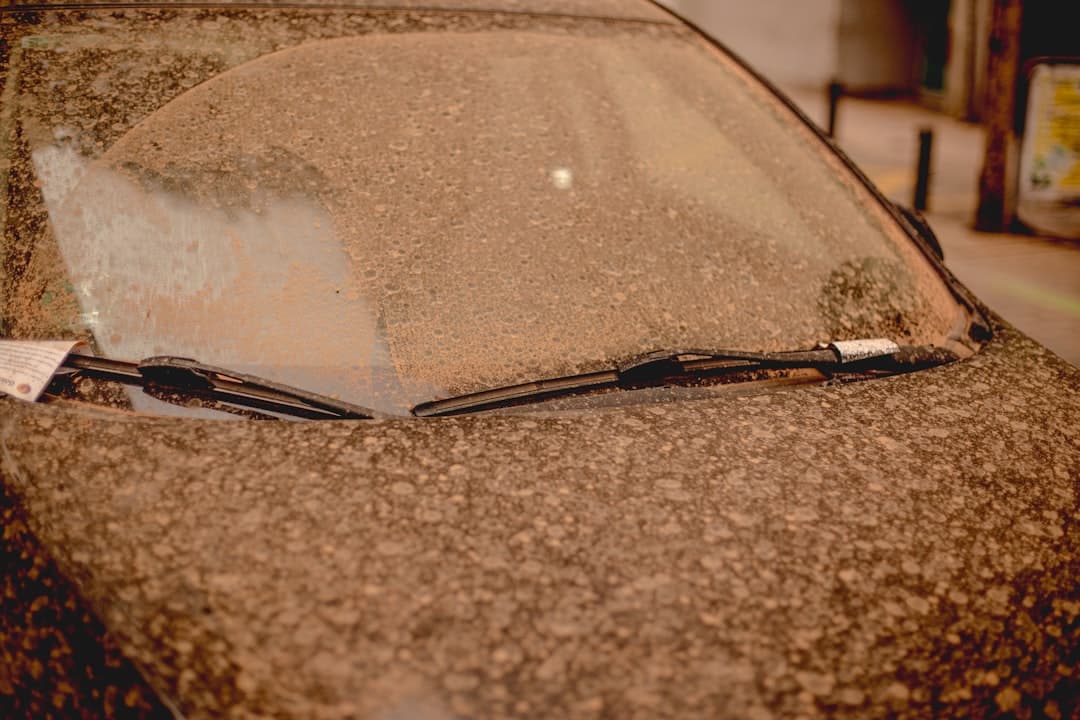

I remember the first time I noticed a chip on my windshield. It was a tiny thing, barely noticeable, right in my line of sight on my morning commute. I told myself it was minor, that I could ignore it. Like many, I underestimated the potential consequences of such a seemingly small imperfection. This experience, and subsequent research, taught me a great deal about the financial and safety implications of windshield damage. My goal in writing this article is to share my findings and help others understand the true cost of fixing a windshield chip.
When a chip occurs, my immediate inclination is often to panic. However, a calm, methodical assessment is critical. Not all chips are created equal, and their characteristics directly influence the repairability and, by extension, the cost.
Size and Location are Key Determinants
I’ve learned that the size of a chip is perhaps the most significant factor. Generally, chips smaller than a quarter, or a dollar bill in some regions, are considered repairable. If the chip is larger, the structural integrity of the glass might be too compromised for a simple resin fill. My insurance company, for instance, has specific guidelines regarding repairable dimensions.
Equally important is the chip’s location. If it’s directly in my line of sight, even a small chip can be highly distracting and potentially lead to a failed vehicle inspection. Chips near the edge of the windshield are particularly problematic. The edges are often highly stressed areas, and a repair there might not hold as effectively or might even worsen the damage by creating a larger crack due to thermal expansion and contraction.
Type of Chip Matters: Star, Bullseye, Combination
From my research, I’ve discovered a variety of chip types. A “star break,” for example, shows radiating lines from a central impact point. A “bullseye” is a circular impact with a distinct inner cone. You also have “combination breaks,” which, as the name suggests, are a mix of different types. Each type presents unique challenges for repair. A bullseye, for instance, might be easier to fill smoothly than a star break with its multiple fine lines. The repair technician I consulted explained that the chosen resin and injection method often vary based on the chip’s morphology.
Depth of the Chip: Is It Just the Outer Layer?
A chip’s depth is another crucial aspect. Most windshields are laminated, consisting of two layers of glass with a polyvinyl butyral (PVB) interlayer. A chip that penetrates both layers of glass and damages the PVB interlayer is far more serious than one confined to the outer layer. Such deep damage might compromise the protective qualities of the windshield during an accident, which is a major safety concern for me. The repair often aims to fill the void and prevent moisture and dirt from entering, which can hinder the repair process and future visibility.
Repair or Replacement: Making the Critical Decision
Once I’ve assessed the damage, the next logical step is to determine whether a repair is feasible or if a complete replacement is necessary. This decision heavily influences the eventual cost.
The Advantages of Repair: Cost-Effective and Convenient
I personally favor repair whenever it is a viable option. It is significantly more affordable than a replacement, often costing less than a tank of gas. Furthermore, the repair process is generally quick, sometimes taking less than an hour, meaning I can often wait at the shop. My technician once explained that repairing a chip also helps maintain the original factory seal of the windshield, which is critical for structural integrity and preventing leaks. A proper repair also prevents the chip from spreading, which is the primary reason I address these issues promptly.
When Replacement Becomes Unavoidable: Safety and Structural Integrity
There are circumstances when a repair simply isn’t an option. If the chip is too large, if it has developed into a long crack, or if it’s in a critical area that would obstruct my vision even after repair, a replacement becomes necessary. I learned that my windshield is not just a piece of glass; it’s a structural component of my vehicle, providing up to 40% of the cabin’s structural integrity in a rollover accident. If the damage compromises this, replacement is the only responsible course of action. Modern vehicles with advanced driver-assistance systems (ADAS) further complicate this. The cameras and sensors often integrated into the windshield require precise calibration after replacement, adding to the cost and complexity.
Considering the Age and Condition of the Windshield
The overall condition of my windshield also plays a role. If it is peppered with numerous small pits or scratches from years of road debris, a single chip might be the tipping point for a full replacement. While individual chips can be repaired, a heavily pitted windshield can significantly reduce visibility, especially when driving into the sun or at night. In such cases, I might opt for a new windshield to improve overall visibility and driving safety, even if the chip itself was repairable.
The Financial Aspect: Breaking Down the Costs
My primary concern, after safety, is the financial outlay. Understanding what contributes to the cost allows me to budget effectively and avoid surprises.
Out-of-Pocket Expenses for Chip Repair
I’ve found that chip repair is remarkably affordable. Independent shops often charge between $50 and $100 per chip. Some mobile repair services might charge a bit more for the convenience of coming to my location. However, many insurance policies will waive my deductible for chip repairs, making it a zero out-of-pocket expense for me. This is a significant advantage and something I always check with my provider. They prefer repair over replacement not only for my convenience but also because it is a fraction of the cost for them.
Factors Influencing Windshield Replacement Costs
Type of Vehicle and Windshield
The cost of a full windshield replacement can vary dramatically. The make and model of my vehicle are major determinants. A luxury car with acoustic glass or a heads-up display integration will naturally have a more expensive windshield. My truck, for instance, has a larger, more robust windshield than my compact sedan, and the replacement cost reflects that. Aftermarket glass is generally cheaper than Original Equipment Manufacturer (OEM) glass, but I always consider the quality difference. I prioritize safety and often opt for OEM or equivalent quality glass.
Labor Costs for Installation
Labor is a significant component of the replacement cost. The complexity of removing the old windshield, preparing the frame, and installing the new one varies. Vehicles with complex trims, integrated antennas, or highly contoured windshields require more time and skill. Regional labor rates also play a role; I’ve noticed prices are generally higher in metropolitan areas than in rural ones.
Advanced Driver-Assistance Systems (ADAS) Calibration
This is a relatively newer, but increasingly important, cost factor. If my vehicle has ADAS features, such as lane departure warning, automatic emergency braking, or adaptive cruise control, the cameras and sensors associated with these systems are often mounted on or behind the windshield. After a replacement, these systems must be recalibrated by skilled technicians using specialized equipment. Failure to do so can lead to dangerous malfunctions of these safety features. This calibration can add several hundred dollars to the total replacement bill, and it’s a step I would never skip.
Insurance Coverage: Navigating Policies and Deductibles
Understanding my insurance policy is paramount when dealing with windshield damage. I’ve learned that not all policies are created equal, particularly concerning glass coverage.
Comprehensive Coverage and Deductibles
Most comprehensive insurance policies cover windshield damage. For chip repairs, many insurers will waive my deductible, meaning I pay nothing. This is a common practice because it is economically sensible for them to pay for a minor repair rather than a full replacement. However, for a full windshield replacement, my comprehensive deductible usually applies. This means I would pay the deductible amount, and my insurance would cover the rest. I always confirm my deductible amount beforehand to avoid any sticker shock.
Glass-Specific Coverage Options
Some insurance providers offer separate “full glass coverage” or “zero deductible glass coverage” as an add-on to comprehensive policies. I’ve considered this option myself; it means that regardless of whether it’s a chip or a full replacement, I pay no deductible for glass repairs or replacements. While it increases my premium slightly, I see it as a worthwhile investment, especially if I live in an area prone to flying road debris or extreme temperature fluctuations that can exacerbate small chips into large cracks.
Impact on Premiums and Claim History
The good news, from my experience, is that a single claim for windshield repair or replacement, especially if only for a chip, rarely affects my insurance premiums. Insurers generally view these as “no-fault” incidents. However, a rapid succession of claims for windshield damage could potentially flag me as high-risk, but these instances are rare. I always discuss this with my insurance agent before filing a claim to understand the potential implications fully. Transparency is always the best approach.
Choosing a Repair Shop: Quality and Certification
| Chip Size | Cost to Fix |
|---|---|
| Small (less than 1 inch) | 50 – 100 |
| Medium (1-2 inches) | 100 – 200 |
| Large (more than 2 inches) | 200 – 400 |
The final, but absolutely critical, step is selecting a reputable repair or replacement facility. My experience has taught me that cutting corners here can lead to more problems and costs down the line.
Certifications and Professional Affiliations
I always look for shops with relevant certifications. For example, certifications from organizations like the Auto Glass Safety Council (AGSC) indicate that technicians are trained in safe auto glass replacement procedures. These shops adhere to industry best practices and employ certified technicians. This gives me confidence that the work will be done correctly and safely. A shop that invests in such training is often a shop that cares about quality.
Warranty and Guarantee on Workmanship
Any reputable shop should offer a warranty on their work. For chip repairs, I expect a guarantee that the repair will hold and not spread. For replacements, a lifetime warranty against leaks and defects in workmanship is standard. I once had a small issue with a newly replaced windshield where a tiny piece of trim wasn’t seated correctly. The shop fixed it immediately under warranty, no questions asked. This level of service is priceless.
Importance of OEM vs. Aftermarket Glass
As mentioned before, the choice between OEM (Original Equipment Manufacturer) and aftermarket glass is significant. While aftermarket glass can save money, I always inquire about its quality and safety standards. I learned that not all aftermarket glass is created equal; some can be just as good as OEM, while others might lack certain features or proper optical clarity. I always ask for documentation confirming that aftermarket glass meets federal safety standards (like the FMVSS 205 in the US). For my primary vehicle, I generally prefer OEM glass for the peace of mind regarding structural integrity and precise fit.
My journey through understanding windshield chips has provided me with valuable insights. From the initial assessment of damage to deciphering insurance policies and selecting a reputable repair shop, each step is crucial. What began as a minor nuisance has become a lesson in vehicle maintenance, safety, and smart financial decisions. By addressing a chip promptly, I’m not just saving money; I’m actively contributing to my safety and the longevity of my vehicle.