



I recently found myself in the unenviable position of needing to comprehend the intricacies of windshield chip repair costs. A rogue pebble, seemingly appearing from nowhere, had left a noticeable starburst crack on my otherwise pristine windshield. My initial reaction was a sigh of exasperation, quickly followed by the practical question: how much is this going to set me back? This incident prompted me to delve deeply into the factors influencing these costs, a journey I now wish to share.
My first discovery was that not all chips are created equal, and their individual characteristics significantly impact repair expenditure. I learned that what may appear to be a minor blemish to an untrained eye can, in fact, be a complex repair requiring more time and specialized techniques.
Size Matters: From Pinprick to Quarter-Sized
The dimensions of the chip are a fundamental determinant of cost. A minuscule pinprick, often barely visible, is typically the easiest and therefore cheapest to repair. As the chip grows, reaching the size of a dime or even a quarter, the repair becomes more involved. My starburst crack, for instance, fell into this larger category, immediately signaling a potentially higher cost. The larger the affected area, the more resin is often required, and the more intricate the application process becomes to ensure structural integrity and optical clarity. I understood that a technician assesses not just the widest point but also the overall “spread” of the damage.
Type of Chip: Star, Bullseye, Combination, and More
Beyond size, the specific morphology of the chip plays a crucial role. I quickly encountered terms like “bullseye,” “star break,” “combination break,” and “half-moon.” Each type presents a distinct challenge for the technician. A bullseye, a circular impact point with a cone-shaped inner layer of cracked glass, is generally straightforward to fill. A star break, like the one I had, with several short cracks radiating outward from the impact point, demands careful attention to each individual leg of the star. Combination breaks, which present features of multiple types, often require the most skillful application of resin and can therefore incur higher costs due to their complexity. I realized that technicians are not just filling a hole; they are meticulously injecting resin to prevent further propagation of specific fracture patterns.
Location, Location, Location: Critical Zones on the Windshield
Where the chip resides on the windshield is regrettably not just an aesthetic concern. The location directly influences its reparability and, consequently, the cost. I discovered critical areas that elevate the repair’s difficulty and importance.
In the Driver’s Line of Sight: A Safety Imperative
A chip directly within the driver’s primary field of vision is a significant safety concern. Any repair in this zone must be executed with absolute precision to avoid any distortion or visual impediment. This often means technicians take extra time and care to ensure the clarity is as close to perfect as possible, which can translate into a slightly higher service fee. My chip was fortunately not directly in my immediate field of vision, but I understood the rationale behind increased costs for such repairs. The focus here is not just on fixing the damage but on maintaining optimal visibility for safe driving.
Near the Edge: Structural Integrity Risks
Chips located very close to the edge of the windshield are particularly problematic. The edge is a high-stress area, and a chip there can compromise the structural integrity of the entire windshield more readily than one in the center. Repairing these chips requires a delicate touch and careful consideration of the entire glass structure to prevent further cracking. In some cases, edge chips might be deemed irreparable, necessitating a full windshield replacement, which I learned was a significantly more expensive proposition. I realized that the proximity to the frame imposes inherent challenges for a lasting repair.
The Repair Service Provider: Variations in Pricing Models
As I sought out repair estimates, I quickly observed that costs varied considerably depending on where I chose to have the work done. I encountered distinct pricing models, each with its own advantages and disadvantages.
Independent Auto Glass Shops: Often Competitive Pricing
My initial inquiries led me to several independent auto glass shops. I found their pricing to be generally competitive, often offering slightly lower rates than larger chains or dealerships. These shops frequently operate with lower overheads, allowing them to pass on some savings to the customer. I appreciated the personalized service I often received, where technicians directly explained the repair process and answered my questions without feeling rushed. However, I also learned that the quality can vary. It was important to select an established independent shop with positive reviews and certified technicians. I sought assurances regarding the quality of resin used and the technician’s experience.
Large Auto Glass Chains: Convenience and Consistency
I explored options offered by larger auto glass chains. Their primary appeal was convenience and the promise of consistent service quality across multiple locations. These chains often have established booking systems, multiple service bays, and standardized procedures. While their prices might be a little higher than some independent shops, I recognized that I was paying for reliability and accessibility. They frequently offer mobile repair services, bringing technicians directly to my home or workplace, a convenience I considered valuable if my schedule were more demanding. I weighed this against the potentially higher price point.
Auto Dealerships: Premium Pricing for Brand Assurance
Finally, I considered auto dealerships. I found their prices to be invariably the highest. Dealerships often emphasize using original equipment manufacturer (OEM) parts and highly trained technicians specific to their vehicle brand. While this offers a strong assurance of quality and compatibility, the premium pricing was a significant deterrent for a simple chip repair, especially when a repair, not a replacement, was needed. I surmised that their focus was often on comprehensive vehicle maintenance and parts sales, placing chip repairs as a secondary, albeit necessary, service at a higher cost. For a minor chip, I deemed this option overkill in my personal scenario.
Geographical Location and Local Market Dynamics: A Regional Influence

Beyond the nature of the damage and the type of service provider, I discovered that my physical location played an unexpected yet significant role in determining repair costs. The economic landscape of different regions undeniably impacts pricing.
Cost of Living and Labor Rates: Geographic Disparities
I observed that repair costs tended to be higher in areas with a higher cost of living. This correlation is logical; businesses in these regions incur greater operational expenses, including rent, utilities, and crucially, labor costs. Technicians in metropolitan areas, where the cost of living is elevated, naturally command higher wages. This translates directly into increased service charges for consumers. Conversely, I found that rural or less densely populated areas often presented more budget-friendly options due to lower overheads and labor rates. My location, a suburban area, settled somewhere in the middle, reflecting a moderate cost of living.
Competition Among Repair Shops: Driving Prices Down (or Up)
The level of competition within a given geographical market also influences pricing. In areas with numerous auto glass repair shops vying for customers, I noticed a tendency for prices to be more competitive. Businesses might offer promotions or slightly lower rates to attract and retain clientele. Conversely, in regions with fewer repair providers, shops might have less incentive to lower their prices, leading to a higher average cost. I found myself in an area with a reasonable number of options, leading to a balance between quality and affordability. The market saturation directly impacted the quotes I received.
Insurance Coverage: A Variable Relief
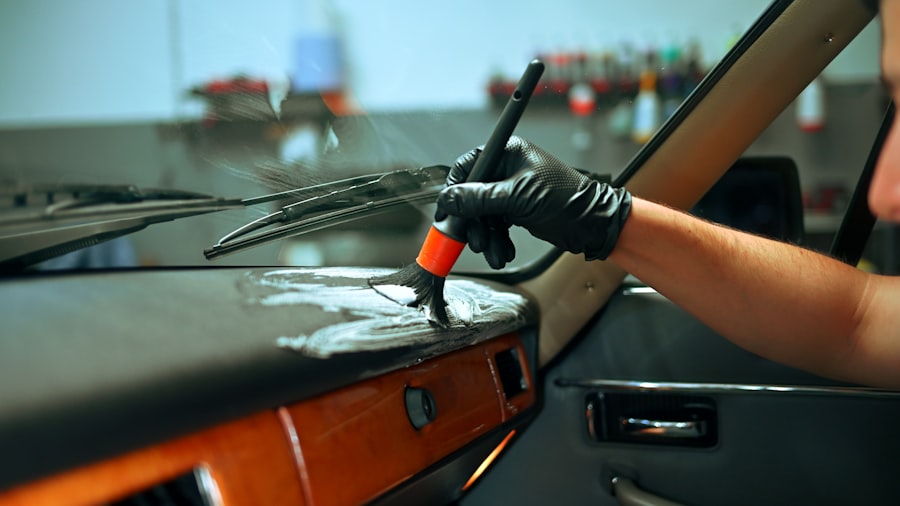
My immediate thought after assessing the damage was to check my automotive insurance policy. I quickly learned that insurance coverage for windshield repairs is a nuanced aspect, offering significant financial relief in some cases but not universally.
Comprehensive Coverage and Deductibles: Understanding the Fine Print
My comprehensive auto insurance policy, I discovered, was the key. Many comprehensive policies include coverage for windshield repair, distinguishing it from full replacement. Often, chip repairs are covered at 100% with no deductible, a welcome discovery. However, I painstakingly read through my policy’s fine print. Some policies do apply a deductible, rendering the repair potentially more expensive than simply paying out of pocket, especially for very small chips. It was critical to verify my specific deductible amount and whether it applied to repairs versus replacements. I learned that what may seem like a blanket coverage can have specific intricacies that need to be understood.
Impact on Premiums and Claim History: Weighing the Long-Term Effects
While the immediate relief of a waived deductible for a repair was appealing, I also considered the long-term implications. Filing a claim, even for a no-fault windshield repair, could theoretically affect my claim history and potentially influence future insurance premiums. I understood that insurance companies weigh various factors, and while a single chip repair claim might not significantly impact my rates, it is a factor to consider. I decided to make an informed decision, comparing the out-of-pocket cost with the potential, albeit small, risk of a premium hike. Many insurance providers consider chip repairs as preventative maintenance, mitigating the risk of a full windshield replacement claim, which is far more expensive.
Additional Factors and Hidden Costs: Beyond the Obvious
| Repair Type | Cost Range |
|---|---|
| Bullseye chip repair | 50 – 75 |
| Star chip repair | 60 – 80 |
| Combination chip repair | 70 – 90 |
My exploration revealed that what initially appears to be a straightforward repair can have additional layers of complexity and associated costs. I meticulously investigated these lurking variables.
Special Glass Types: Acoustic, Heated, or HUD Windshields
Modern vehicles often incorporate advanced windshield technologies, and these innovations can significantly impact repair costs. My car, while not cutting-edge, features basic acoustic glass designed to reduce cabin noise. Windshields with integrated heating elements, those designed for heads-up displays (HUD), or advanced driver-assistance systems (ADAS) sensors require specialized technicians and often more expensive, specialized resins. Repairing such windshields is a more delicate and intricate process, demanding precision to ensure the continued functionality of these integrated features. I recognized that my relatively standard windshield avoided these higher cost categories.
ADAS Calibration Post-Repair (Mainly for Replacements, but Relevant for Repair Impact)
While typically associated with full windshield replacements, it is important to acknowledge the role of ADAS calibration in the context of windshield damage. Advanced Driver-Assistance Systems, which rely on cameras and sensors often mounted on the windshield, must be precisely calibrated after a windshield replacement. While a chip repair generally does not necessitate re-calibration, a shoddy repair that compromises the optical clarity in the sensor’s field of view could theoretically impact its performance. This highlighted the importance of a high-quality repair, even for a chip, to maintain the optimal functioning of my vehicle’s safety features. I learned that for extensive damage requiring replacement, ADAS calibration adds a substantial and unavoidable cost.
Warranty and Guarantee: Assurance of Quality
Finally, I considered the warranty or guarantee offered by the repair shop. A reputable shop will stand behind its work, offering a warranty on the repair to ensure it does not spread or become visually impaired. This warranty provides an invaluable assurance of quality and protection against future issues. I specifically inquired about the duration and scope of the guarantee. A lifetime warranty, albeit rare, was a clear indicator of superior confidence in their work. I reasoned that a slightly higher repair cost from a shop offering a strong warranty was a worthwhile investment for peace of mind and long-term durability. I found that most reputable shops offer at least a 30-day to one-year warranty against the chip spreading or the repair failing, which I deemed essential.
My journey into understanding windshield chip repair costs transformed what began as an exasperating incident into an enlightened learning experience. I now possess a comprehensive grasp of the manifold factors contributing to these expenses, enabling me to make informed decisions for any future windshield woes.