



The experience a customer has with their vehicle’s warranty isn’t just a minor detail; it’s a critical part of their long-term satisfaction and relationship with the brand, well after they’ve driven off the lot. A smooth, fair, and transparent warranty process can solidify trust, encourage repeat business, and even turn a problem into a positive brand interaction. Conversely, a frustrating or difficult warranty experience can quickly erode goodwill, lead to negative word-of-mouth, and drive customers to competitors for their next purchase. It’s about more than just fixing a defect; it’s about validating their investment and showing they made the right choice.
Protecting Your Investment and Peace of Mind
When you buy a new or certified pre-owned vehicle, you’re making a significant investment. The warranty is designed to protect that investment by covering unexpected repairs due to manufacturing defects. But the actual experience of using that warranty is what truly delivers on the promise of peace of mind.
The True Value of a Warranty
Think of a warranty as an insurance policy for your new vehicle. It’s there to mitigate financial risk and stress when something goes wrong. However, the theoretical protection offered by the warranty document is only as good as the practical experience of invoking it. If the process is convoluted, slow, or contentious, the perceived value of that warranty – and by extension, the vehicle itself – diminishes rapidly. Customers expect that if a covered component fails, the resolution process will be straightforward and efficient, allowing them to get back on the road without undue hassle or additional, unexpected expense. A well-executed warranty claim reinforces the customer’s belief that their investment is truly protected.
From Anxiety to Assurance
No one wants to deal with a broken-down car. When a fault occurs, it’s often an anxious time for the owner. A positive warranty experience can transform this anxiety into assurance. This means clear communication about what’s covered, efficient diagnostics, timely repair, and perhaps most importantly, a helpful and empathetic service team. When a customer feels supported and understood during a stressful situation, it significantly elevates their perception of the brand. They might have started out frustrated with a vehicle issue, but if the warranty process effectively and pleasantly resolves it, they end up feeling confident in their purchase and the company behind it. This emotional shift is powerful and lasting.
Building and Maintaining Customer Trust

Trust is the bedrock of any successful long-term relationship, and it’s especially vital in the automotive industry. A positive warranty experience is a powerful trust-builder, whereas a negative one can dismantle it quickly.
The Post-Sale Trust Indicator
The vehicle sale is just the beginning. The period immediately following, especially if issues arise, is a crucial test of trust. When a customer needs to use their warranty, they are essentially asking the manufacturer to stand behind their product. How the manufacturer and dealership handle this request serves as a direct indicator of their commitment to the customer. A quick, no-fuss resolution signals integrity and reliability. Conversely, a prolonged battle over coverage, unclear explanations, or a perceived lack of effort can shatter that trust, leaving the customer feeling misled or undervalued. Trust isn’t just about what’s said before the sale, but what’s done after.
Consistency and Transparency Are Key
Trust is nurtured through consistency and transparency. Customers need to understand the warranty terms clearly from the outset, without fine print surprises. During a claim, they expect clear communication about the diagnostic process, the estimated repair time, and any decisions regarding coverage. Inconsistent application of warranty policies across different dealerships or service centers can erode trust rapidly. If one dealer readily covers a repair that another dealership disputes, it creates confusion and suspicion. Manufacturers need to ensure their warranty policies are applied uniformly and transparently, leaving no room for ambiguity or perceived unfair treatment. This consistent approach reassures customers that they will receive the same level of service and commitment regardless of where they are or which service center they visit.
Impact on Brand Reputation and Loyalty
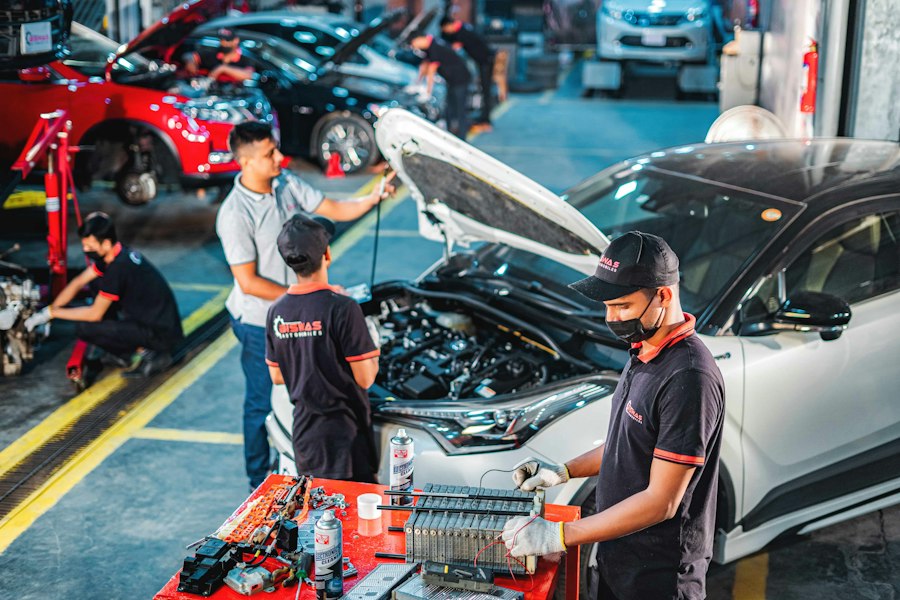
A warranty experience reverberates far beyond the individual customer; it directly influences a brand’s reputation and a customer’s likelihood of returning for their next vehicle.
Word-of-Mouth Amplification
In today’s connected world, personal experiences are amplified through social media, online reviews, and direct conversations. A great warranty experience can lead to enthusiastic recommendations, while a poor one can quickly spread negative sentiment. People are often more vocal about negative experiences, which can significantly damage a brand’s reputation faster than positive experiences can build it. Customers will share their stories on forums, review sites, and with friends and family. These personal endorsements or warnings carry immense weight and can influence purchasing decisions of potential new customers. A positive warranty story becomes a testament to the brand’s commitment to quality and customer service, while a negative one can become a cautionary tale.
Cultivating Repeat Business
Customer loyalty isn’t just about the initial appeal of a vehicle; it’s about the entire ownership experience. A positive warranty experience can be a significant factor in a customer’s decision to repurchase from the same brand. If a customer feels well-supported and values the service they received during a repair, they are far more likely to consider that brand again. They’ve built confidence not just in the product, but in the entire ecosystem supporting it. Conversely, a frustrating or unfair warranty experience can push a customer into the arms of a competitor, regardless of how much they initially liked the vehicle itself. The cost of acquiring a new customer is often far higher than retaining an existing one, making a smooth warranty process a crucial investment in future sales.
Streamlining the Service Experience
The warranty process isn’t just about who pays; it’s deeply intertwined with the overall vehicle service experience. A well-managed warranty contributes significantly to a smoother, more efficient service journey for the customer.
Reducing Friction in Service Appointments
When a vehicle comes in for a warranty-covered repair, the customer’s expectation is that the process will be as seamless as possible. This means minimal paperwork, quick diagnostic turnaround, and efficient part ordering. If the service department is well-versed in warranty procedures and has clear communication channels with the manufacturer, it reduces friction. Ambiguity around coverage or delays in approval can extend service times, leading to frustration for the customer and potentially tying up service bay resources. A streamlined warranty workflow allows service advisors to focus on the customer’s needs and expedite the repair, rather than getting bogged down in administrative hurdles or disputes over coverage.
Empowering Service Advisors
For the customer, the service advisor is often the face of the warranty experience. Empowering these advisors with clear guidelines, easy access to information, and a supportive system to process claims quickly is paramount. When advisors are confident in their ability to handle warranty issues efficiently, they can provide better customer service, offer clearer explanations, and instill greater confidence in the customer. If advisors constantly face resistance or delays in getting claims approved, it reflects poorly on the entire organization and creates an antagonistic environment rather than a helpful one. Providing adequate training and resources for service advisors ensures they can be effective advocates for both the customer and the brand. This empowerment translates directly into a better experience for the customer.
The Financial Implications for Businesses
| Metric | Description | Impact on Warranty Experience | Long-Term Benefit |
|---|---|---|---|
| Customer Satisfaction Score (CSAT) | Measures how satisfied customers are with their warranty service | Higher scores indicate better warranty handling and support | Improves brand loyalty and repeat purchases |
| Warranty Claim Resolution Time | Average time taken to resolve warranty claims | Shorter resolution times enhance customer trust | Reduces negative reviews and increases referrals |
| Repeat Service Visits | Number of times a vehicle returns for warranty-related repairs | Lower repeat visits indicate higher repair quality | Decreases maintenance costs and improves vehicle reliability perception |
| Warranty Cost per Vehicle | Average cost incurred by manufacturer for warranty repairs | Helps balance cost with quality of service | Optimizes warranty program profitability and customer satisfaction |
| Net Promoter Score (NPS) | Measures likelihood of customers recommending the brand | Positive warranty experiences boost NPS | Drives brand advocacy and long-term sales growth |
| Warranty Coverage Duration | Length of time warranty is valid after vehicle sale | Longer coverage increases perceived value | Enhances customer confidence and retention |
While customer satisfaction and reputation are paramount, the efficiency and fairness of warranty experiences also have significant financial implications for automotive manufacturers and dealerships.
Minimizing Warranty Claim Costs
From a manufacturer’s perspective, a poorly managed warranty program can lead to higher costs. This isn’t just about paying for repairs; it includes the administrative overhead of processing claims, potential legal disputes from frustrated customers, and the long-term cost of lost loyalty and negative publicity. By having clear, unambiguous warranty terms, efficient diagnostic tools, and proper training for technicians, manufacturers can reduce instances of incorrect diagnoses, unnecessary part replacements, and fraudulent claims, ultimately minimizing their overall warranty expenditure. Investing in quality control and robust engineering up front can also reduce the frequency of warranty claims, which is the most effective cost-saving measure of all.
Enhancing Dealership Profitability
For dealerships, a smooth warranty process isn’t just about customer satisfaction; it can also impact their service department’s profitability. Efficient processing of warranty claims ensures that dealerships are reimbursed promptly by the manufacturer for parts and labor. Delays or disputes in claim processing can tie up cash flow and create administrative burdens. Moreover, a positive warranty experience often brings customers back to the dealership for future paid service, such as routine maintenance or non-warranty repairs, boosting the service department’s revenue. When a customer trusts the dealership through their warranty experience, they are more likely to become a loyal service customer, choosing that dealership over independent shops for all their vehicle’s needs. This creates a sustainable revenue stream for the dealership long after the initial vehicle sale.