

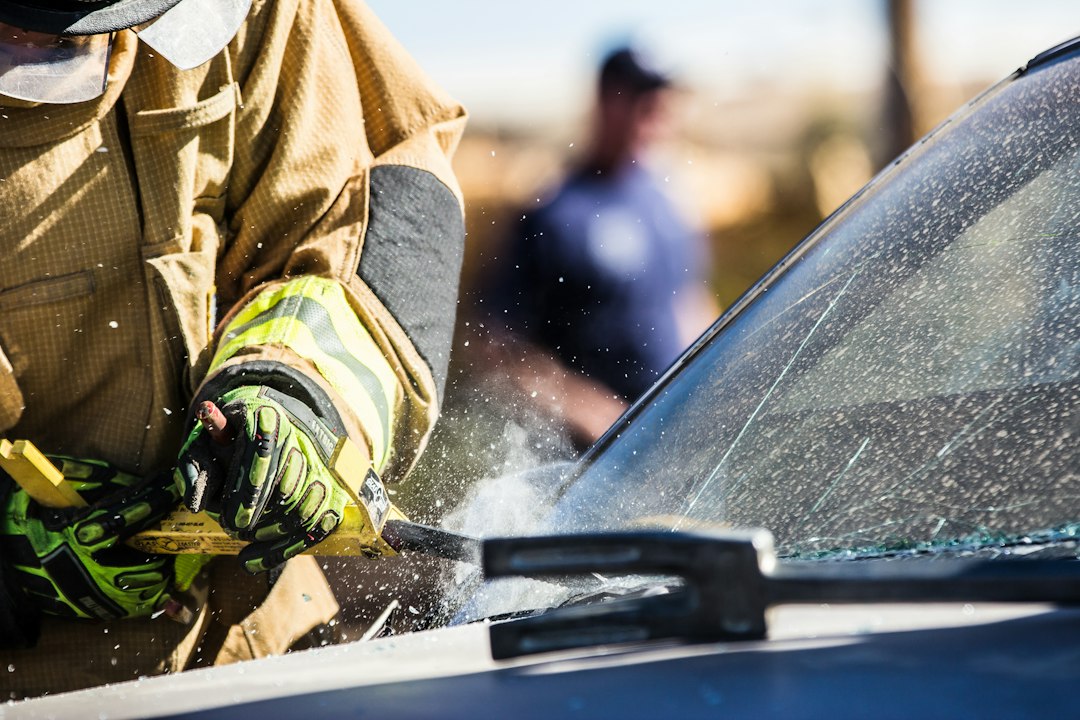

The Quick Answer: Repair for Small Chips, Replacement for Big Cracks
Deciding whether to repair or replace your windshield usually comes down to the size, type, and location of the damage. Generally speaking, small chips – roughly the size of a quarter or less – are good candidates for repair. Larger cracks, especially those extending across a significant portion of the windshield or near the edge, almost always require replacement. This isn’t just about aesthetics; your windshield is a critical safety component of your vehicle, and compromising its integrity can have serious consequences.
Why Your Windshield Matters So Much
It might seem like just a piece of glass, but your car’s windshield plays a much bigger role than simply keeping the wind out of your face. It’s an integral part of your vehicle’s structural integrity and safety system.
Structural Support in a Rollover
Believe it or not, your windshield provides up to 45% of your car’s structural integrity in a frontal collision and up to 60% in a rollover accident. A cracked or compromised windshield won’t be able to bear this load, significantly increasing the risk of roof collapse and serious injury to occupants. Think of it as a crucial support beam for your car’s roof. If that beam is weakened, the whole structure is at risk.
Airbag Deployment Anchor
When your passenger-side airbag deploys, it pushes against the windshield with incredible force. If the windshield is damaged or not properly installed, it might not provide the necessary resistance, causing the airbag to deploy improperly or even launch out of the vehicle. This renders the airbag ineffective and can put occupants in even greater danger. A strong, intact windshield is vital for ensuring your airbags do their job correctly.
Maintaining Driver Visibility
This one seems obvious, but it’s worth stating. Any obstruction in your line of sight – be it a crack, a chip, or even significant pitting – can distract you and impair your ability to see the road clearly, especially in adverse weather conditions like rain or direct sunlight. A clear field of vision is paramount for safe driving. Even a small crack can create glare and distort your view at night, making it harder to spot hazards.
Weather and Debris Protection
While this is the most apparent function, a damaged windshield can fail in this regard too. A compromised seal or a crack can allow water to leak into the cabin, leading to potential electrical problems, mold growth, and damage to your car’s interior. Furthermore, it’s designed to protect you from flying debris, insects, and other elements. A weakened windshield offers less protection against these impacts.
What Constitutes Repairable Damage?
Not all damage is created equal. Understanding the types of damage that can be successfully repaired is key to making the right decision. Repairing a windshield involves injecting a special resin into the damaged area, which then hardens and bonds with the glass, restoring its strength and optical clarity.
Chip Size and Type
Generally, chips up to the size of a quarter (about 1 inch or 2.5 cm in diameter) are good candidates for repair. This includes common types like star breaks, bullseyes, and combination breaks. A star break has small legs radiating from the impact point. A bullseye is a circular chip, often with a dark center. Combination breaks are, as the name suggests, a mix of both. The key is that the damage should be contained and not too complex.
Crack Length and Type
Short cracks, typically those no longer than 6 inches (about 15 cm), might be repairable. These are often referred to as “single line cracks” or “stress cracks” that haven’t branched out extensively. However, this is a more delicate repair than a chip, and success rates can vary depending on the technician’s skill and the exact nature of the crack. Repairing a crack aims to stop it from spreading, but it’s important to have realistic expectations about its visibility afterward.
Location of the Damage
This is a critical factor. Damage directly in the driver’s primary line of sight (a 12-inch wide area centered on the steering wheel) is often recommended for replacement, even if it’s a small chip. This is because even a perfectly repaired chip can leave a slight optical distortion, which can be distracting and impair vision, especially in certain lighting conditions. Also, damage too close to the edge of the windshield (within an inch or two) is generally not repairable because it compromises the structural integrity of the glass and its bond to the car frame. Repairs in this area are prone to failure and can weaken the overall windshield.
When Replacement is the Only Option
Sometimes, no matter how much you wish a repair would suffice, replacement is the only safe and responsible choice. Trying to repair damage that falls into these categories can be a false economy and a significant safety risk.
Large or Extensive Cracks
Any crack longer than 6 inches (15 cm) almost always requires a full windshield replacement. This includes cracks that spiderweb across the glass, multiple long cracks, or cracks that have significantly branched out. The structural integrity of the glass is too compromised to be effectively restored with a resin repair. These types of cracks will inevitably continue to spread, and the repair will likely fail quickly.
Damage in the Driver’s Primary Line of Sight
As mentioned earlier, even small damage in the critical area directly in front of the driver’s eyes is usually a strong recommendation for replacement. While a repair might seal the damage, any slight distortion or imperfection can be a constant distraction and impair vision. Safety should always take precedence over the cost of a repair in this instance.
Damage to the Inner Layer of Glass
Modern windshields are typically laminated, meaning they consist of two layers of glass with a polyvinyl butyral (PVB) plastic layer sandwiched in between. If the impact has damaged the inner layer of glass, or if the PVB layer itself is compromised, a repair might not be possible or effective. Repair resins are designed to work primarily on the outer layer of glass. Damage to the inner layer can affect the structural integrity of the laminate and lead to delamination, making replacement necessary.
Multiple Chips or Extensive Pitting
If your windshield has numerous chips scattered across its surface, even if individually small, a repair might not be practical or cost-effective. The accumulation of repairs can still leave significant optical distortions. Similarly, if the windshield is heavily pitted from years of highway driving, leading to poor visibility and glare, replacement is often the best solution for restoring clarity and safety. Pitting cannot be repaired; it requires a new surface.
Damage Affecting Advanced Driver-Assistance Systems (ADAS)
Many newer vehicles are equipped with Advanced Driver-Assistance Systems (ADAS), such as lane departure warning, automatic emergency braking, and adaptive cruise control. These systems often rely on cameras and sensors mounted directly behind the windshield. If the damage to your windshield is in an area that obstructs or impacts these sensors (even if it’s a small chip), or if a full windshield replacement is performed, recalibration of these ADAS systems is almost always required. A repair might not allow for proper recalibration, making replacement (and subsequent recalibration) mandatory to ensure these safety features function correctly. Ignoring this can lead to unreliable ADAS performance, which can be dangerous.
Damage at the Edge of the Windshield
Damage that extends to the very edge of the windshield or is within an inch or two of the frame is generally not repairable. This area is crucial for the structural integrity of the windshield’s bond to the car’s body. A repair in this area might not hold, and the crack could easily spread into the frame, compromising the entire windshield’s stability.
The Repair and Replacement Process: What to Expect
| Criteria | Windshield Repair | Windshield Replacement |
|---|---|---|
| Damage Size | Less than 6 inches (e.g., small chips, cracks) | Greater than 6 inches or extensive damage |
| Damage Location | Not in driver’s line of sight or edges | In driver’s direct view or near edges |
| Type of Damage | Minor chips, bullseye, star breaks | Large cracks, multiple cracks, shattered glass |
| Cost | Lower cost, typically less time-consuming | Higher cost, more labor and materials |
| Time Required | 30 minutes to 1 hour | Several hours including installation and curing |
| Insurance Coverage | Often fully covered with no deductible | May involve deductible and higher premiums |
| Safety | Maintains original windshield integrity | Restores full structural integrity with new glass |
| Visibility Impact | Minimal if repaired properly | Restores clear, unobstructed view |
Knowing what happens during a repair or replacement can help you understand why certain decisions are made and what the timeline looks like.
Windshield Repair Process
A windshield repair is usually a much quicker process, often taking about 30 minutes to an hour. The technician will first clean the damaged area thoroughly to remove any debris or moisture. A vacuum device is then used to remove air from the chip or crack. Next, a specialized resin is injected into the damaged area under pressure. This resin fills the voids and microscopic fractures. Once injected, the resin is cured using ultraviolet (UV) light, which hardens it. Finally, any excess resin is scraped off, and the area is polished to improve clarity. While a repair significantly reduces the visibility of the damage and restores structural integrity, it’s important to manage expectations; it won’t be perfectly invisible, but it will be much less noticeable and safer.
Windshield Replacement Process
A full windshield replacement is a more involved procedure, typically taking 1 to 2 hours for the actual installation, plus additional time for the adhesive to cure.
Removal of the Old Windshield
The technician will carefully remove the moldings around the old windshield and cut through the adhesive (urethane) that bonds the glass to the car’s frame. Specialized tools are used to ensure the paint and frame aren’t damaged during this process.
Preparation of the Frame
Once the old windshield is out, the frame is meticulously cleaned and prepared. Any old adhesive is removed, and a primer might be applied to ensure optimal adhesion for the new windshield. This step is crucial for a strong, watertight seal.
Installation of the New Windshield
A new bead of high-quality automotive-grade urethane adhesive is applied to the frame. The new windshield is then carefully positioned and pressed into place. It’s essential that the windshield is perfectly aligned to ensure a proper seal and structural integrity.
Curing Time and Post-Installation Care
After installation, the adhesive needs time to cure. This is a critical step. Depending on the type of urethane used and environmental conditions, the “Safe Drive Away Time” (SDAT) can range from 30 minutes to several hours. During this period, it’s important not to drive the vehicle or to drive it very carefully, avoiding bumps, sudden stops, or closing doors too forcefully, which can create pressure and disturb the curing adhesive. The technician will provide specific instructions regarding when it’s safe to drive and any other post-installation care, such as avoiding high-pressure car washes for a day or two.
ADAS Recalibration (If Applicable)
If your vehicle has ADAS features, the technician will then proceed with recalibration. This involves specialized equipment and software to ensure that the cameras and sensors are correctly aligned and functioning perfectly with the new windshield. This can add significant time to the overall process and often requires a separate, specialized service. It’s a non-negotiable step for vehicles with ADAS.
Cost, Insurance, and Decision-Making
When making your decision, cost is naturally a factor, and understanding how insurance plays into it is important.
Repair Costs vs. Replacement Costs
Generally, a windshield repair is significantly less expensive than a replacement. Repairs typically range from $50 to $150, depending on the type and complexity of the damage. A full windshield replacement can range anywhere from $200 to $600 or even more, particularly for vehicles with complex ADAS systems that require recalibration. Luxury vehicles or those with heated windshields can push replacement costs even higher.
Insurance Coverage
Many insurance policies, particularly comprehensive coverage, will cover windshield repairs with no deductible. Some policies even waive the deductible for full replacements. It’s always a good idea to check with your insurance provider to understand your specific coverage before making a decision. Often, they prefer repairs because it’s cheaper for them than a full replacement. Be aware that some insurers might have preferred providers, and using them could streamline the process.
Deductibles and Claims
If your policy has a deductible for windshield replacement, you’ll need to weigh the cost of the replacement against your deductible. For instance, if a replacement costs $300 and your deductible is $500, it might make more financial sense to pay for it out-of-pocket rather than filing a claim that won’t exceed your deductible. However, if your deductible is lower or waived for glass, then using your insurance is often the smart choice. Remember that making a claim, even for glass, can sometimes affect your insurance premiums, though this is less common for “no-fault” glass claims. Always clarify this with your insurer.
The Long-Term Perspective
While a repair is cheaper upfront, consider the long-term implications. A poorly repaired or unrepairable crack can spread, eventually forcing you into a more expensive replacement anyway. Prioritizing safety and proper function is key. A good repair should effectively stop the spread of damage and maintain the structural integrity. If there’s any doubt about the effectiveness of a repair, leaning towards replacement is the safer bet.
Finding a Reputable Professional
Whether you opt for repair or replacement, choosing a qualified and reputable auto glass professional is paramount. This isn’t a job for the cheapest guy in town working out of a van unless you’ve thoroughly vetted them.
Certifications and Experience
Look for technicians who are certified by recognized industry organizations, such as the Auto Glass Safety Council (AGSC). This indicates they’ve met certain standards for training and safety. Experience matters greatly in auto glass work; an experienced technician will know how to handle various types of damage and vehicle models correctly. Don’t hesitate to ask about their certifications and years in the business.
Quality of Materials Used
For replacements, ensure they use OEM (Original Equipment Manufacturer) or OE equivalent (Original Equipment equivalent) glass and high-quality automotive-grade urethane adhesives. Inferior glass might not fit correctly or provide the same clarity and durability as the original. Subpar adhesives can lead to leaks, wind noise, and, more critically, compromise the windshield’s structural integrity and its ability to support airbags. For repairs, inquire about the quality of the resin they use.
Warranty and Guarantee
A reputable shop will offer a warranty on their work, covering issues like leaks, stress cracks (not caused by new impacts), or defects in the installation. Understand what the warranty covers and for how long. A solid warranty provides peace of mind that if something goes wrong due to their workmanship or materials, they’ll make it right.
Customer Reviews and Reputation
Check online reviews (Google, Yelp, etc.) and ask for recommendations from friends or local mechanics. A consistent pattern of positive reviews and a good local reputation are strong indicators of a reliable business. Conversely, numerous negative reviews, especially regarding shoddy workmanship or poor customer service, should be a red flag.
Mobile Service vs. Shop Visit
Many auto glass companies offer mobile services, coming to your home or workplace. This can be incredibly convenient, especially for repairs or if your car isn’t safe to drive with the damage. However, for a full replacement, especially one involving ADAS recalibration, a shop environment might be preferred. Shops often have better temperature control, specialized equipment, and a more controlled environment, which can be crucial for proper adhesive curing and recalibration. Discuss with the professional what they recommend based on your specific situation.
Making an informed decision about windshield repair versus replacement is crucial for your safety and your vehicle’s integrity. By understanding the types of damage, the processes involved, and the factors that influence the decision, you can ensure your car is roadworthy and safe for you and your passengers.