

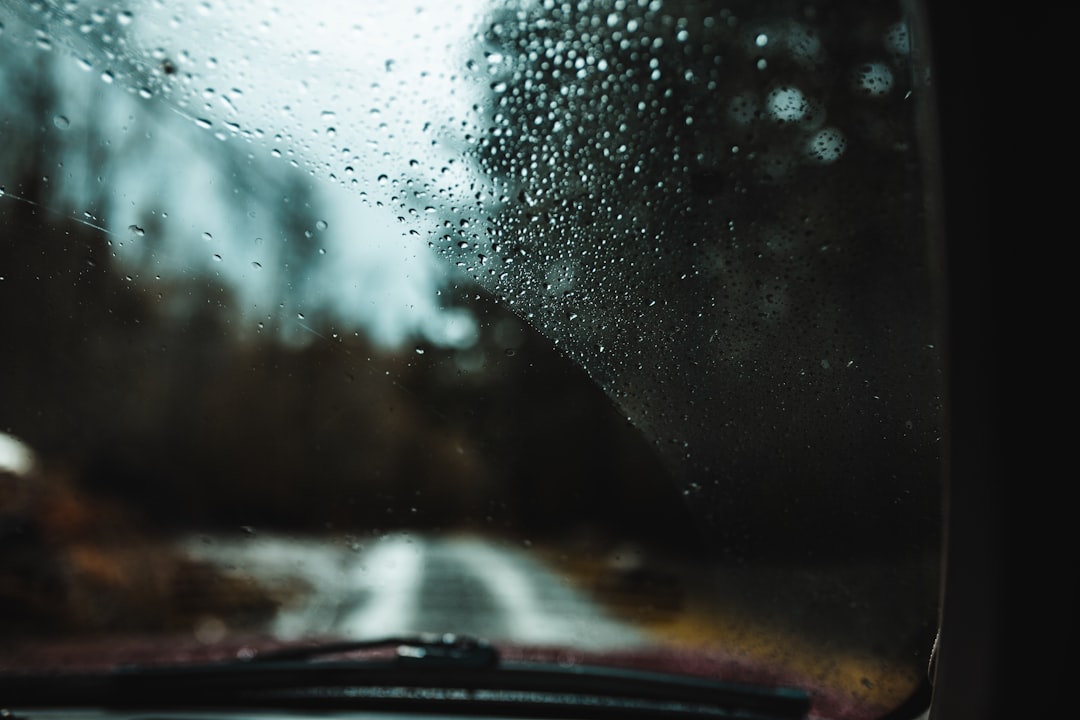

Colorado’s winter winds aren’t just a nuisance; they’re a significant culprit behind a noticeable spike in windshield damage claims. So, why does your car’s glass seem to take a beating this time of year? It boils down to a perfect storm of environmental factors and common winter driving habits.
It’s that time of year again in Colorado. You know the drill: snow, ice, and a whole lot of wind. While we often focus on the dramatic blizzards, the persistent winter winds play a less heralded but equally damaging role in our vehicles. Specifically, your windshield becomes a prime target for damage during these colder months, leading to a predictable surge in insurance claims. It’s not just bad luck; there are concrete reasons why this happens.
The Elements are Working Against Your Glass
Colorado’s winter climate creates a challenging environment for automotive glass. The combination of frigid temperatures, fluctuating weather patterns, and the very air itself conspires to make windshields more susceptible to chips and cracks.
Temperature Swings and Thermal Shock
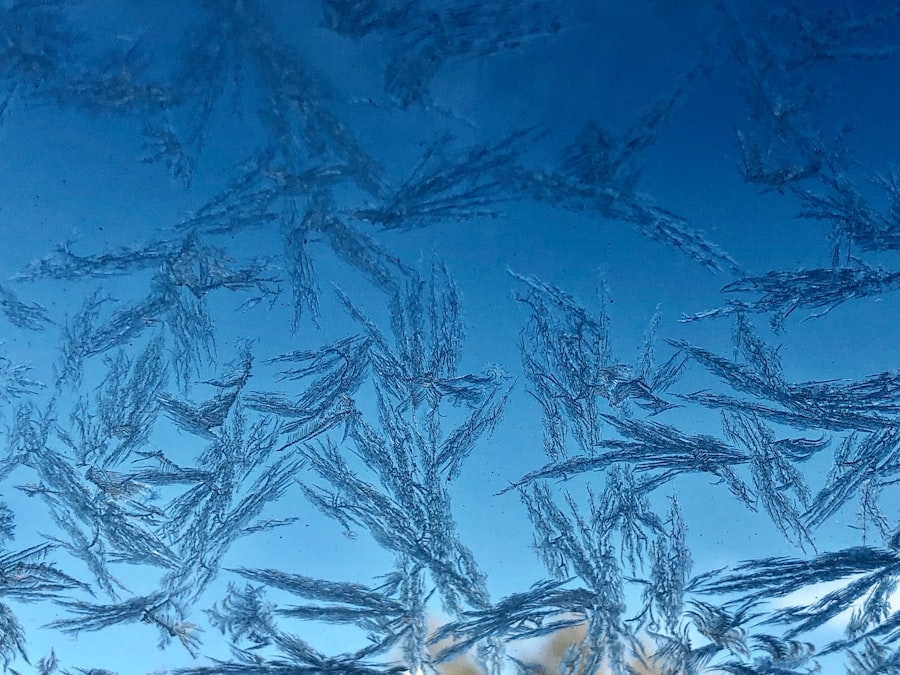
One of the most insidious culprits is thermal shock. Colorado is known for its dramatic temperature swings, often experiencing significant drops from day to night or as weather systems move through. When your car is parked outside, the glass cools down. Then, as the sun comes out, or if you turn on the defroster, the surface heats up unevenly. This rapid expansion and contraction of the glass creates stress. Even a tiny existing chip or crack can expand dramatically under these conditions. Think of it like repeatedly bending a piece of metal – eventually, it’s going to break.
The Wind’s Direct Assault
We’re talking about winter wind in Colorado, and it’s no joke. These aren’t gentle breezes; they are often powerful gusts that can carry debris at high speeds. The wind itself, especially when it’s biting cold, can also contribute to the brittleness of the glass.
Pushed Debris: The Tiny Projectiles
The wind’s primary damage mechanism is its ability to lift and propel small objects. These can include:
- Gravel and Sand: Road crews often use sand and gravel to improve traction on icy roads. When the wind picks up, these small, hard particles become miniature projectiles, pelting your windshield. Even a seemingly insignificant pebble, launched with enough force by the wind, can cause a chip.
- Ice Shards and Snow: While less common as direct impactors, larger chunks of ice or hardened snow, dislodged from other vehicles or structures by the wind, can also cause significant damage.
- Road Salt and De-icing Chemicals: While these are applied to melt ice, they are also gritty substances that can be whipped up by the wind and act like sandpaper on your glass over time, or contribute to surface abrasion that weakens the glass.
The Cumulative Effect
It’s rarely a single event that causes a catastrophic windshield failure. Instead, it’s often a series of small impacts and stresses that gradually weaken the glass. A tiny chip from a stray pebble might go unnoticed, but as winter progresses and the glass is subjected to thermal shock, vibrations, and more impacts, that small chip can rapidly turn into a long, spiderwebbing crack.
The Vicious Cycle: How Winter Driving Habits Exacerbate Damage
Beyond the environmental factors, certain driving habits common in Colorado’s winter months can significantly increase the risk of windshield damage and its progression. Understanding these habits is key to prevention.
Following Too Closely: The “Tailgating” Trap
This is a big one. In snowy or icy conditions, drivers tend to increase their following distance for safety. However, when roads are intermittently clear or drivers are anxious to get moving, the opposite can happen.
Kick-Up Calamity
When you follow too closely behind another vehicle, especially on roads treated with sand or salt, you are in the direct line of fire for whatever their tires kick up. That includes:
- Loose Gravel: Even on paved roads, a quick thaw can expose accumulated gravel.
- Packed Snow and Ice: Tires can dislodge chunks of hardened snow and ice.
- Grit from De-icing: The remnants of salt and sand mixtures can be powerfully ejected.
The higher your speed and the closer you are, the greater the force of these projectiles. A seemingly minor “ping” can be the start of a much larger problem.
Speeding in Less-Than-Ideal Conditions
While it might seem counterintuitive, driving faster in winter conditions can sometimes lead to more damage.
Increased Impact Velocity
When you hit a piece of debris at 40 mph, the impact force is considerably less than hitting it at 60 mph. Higher speeds mean that any object your windshield encounters will hit with greater force, increasing the likelihood of a chip or crack.
Reduced Reaction Time for Debris
Wind can lift debris unpredictably. If you’re traveling at a high speed, you have less time to react or swerve to avoid something that suddenly appears in your path or is kicked up by another vehicle.
Neglecting Minor Chips: The “I’ll Deal With It Later” Syndrome
This is arguably the most common reason why small chips escalate into major cracks. Many drivers dismiss a small chip as a cosmetic issue, delaying repairs until it becomes more severe.
The Illusion of Stability
A small chip might seem stable, but it represents a weak point in the glass. The stresses of thermal shock, road vibrations, and further impacts can easily propagate from that point.
The Wind’s Role in Propagation
Remember that winter wind? It’s not just about causing the initial damage; it can also contribute to making existing damage worse. The constant buffeting and pressure changes can subtly widen and deepen existing chips, especially when combined with temperature fluctuations.
The Science of Glass Stress: Why Winter is Particularly Harsh
Automotive glass, typically laminated glass for safety, is a complex material. Winter conditions introduce a specific type of stress that makes it far more susceptible to failure than in warmer months.
Laminated Glass and its Weaknesses
Windshields are made of two layers of glass with a plastic (PVB) layer sandwiched in between. This design prevents the glass from shattering into dangerous shards in an accident. However, the glass itself is still rigid and can be weakened.
Micro-Fractures and Stress Concentration
When a small object hits the windshield, it creates a microscopic fracture. This fracture acts as a stress concentration point. Imagine a tiny crack in a teacup; even a slight tap can cause it to expand from there.
The Role of the PVB Layer
The PVB layer is designed to hold the glass together. While it prevents shattering, it doesn’t stop the glass from cracking or the crack from spreading. In fact, the pressure exerted by the wind on a damaged windshield can put additional strain on the PVB layer, potentially exacerbating the crack.
The Physics of Thermal Expansion and Contraction
Glass expands when heated and contracts when cooled. This is a fundamental physical property.
Uneven Heating and Cooling
In winter, this process becomes highly problematic due to the extreme temperature fluctuations and uneven heating.
- Cold Exterior, Warm Interior: When your car is cold outside, but the interior is warmed by the heater or defroster, the inner layer of glass heats up and expands while the outer layer remains cold and contracted. This creates significant internal stress.
- Sunlight on a Cold Windshield: Even a weak winter sun can warm the surface of a frigid windshield. This localized heating causes the surface layer to expand, while the underlying glass is still contracted, leading to stress.
- Wind Chill Factor: While wind chill primarily affects how we perceive temperature, it also means the outer surface of the glass is constantly being cooled, exacerbating the temperature differential.
This constant battle between expansion and contraction, especially when a tiny fracture already exists, is a primary driver of crack propagation in winter.
Beyond the Chip: The Domino Effect on Other Vehicle Parts
Windshield damage isn’t just an aesthetic or minor inconvenience. When it escalates, it can have a domino effect, impacting other parts of your vehicle and, more importantly, your safety.
Impaired Visibility: The Primary Safety Concern
This is the most critical consequence of a damaged windshield.
Distorted Vision and Blind Spots
Even a small crack can distort your view of the road, making it harder to judge distances, spot hazards, or see lane markings. A larger crack or a spiderwebbing pattern can create significant blind spots, making it dangerous to change lanes or navigate intersections.
Glare and Reflections
Damage to the glass surface can create new angles for light to reflect and refract. In winter, with low sun angles and potential glare from snow and ice, this can be particularly hazardous, leading to temporary blindness.
Structural Integrity Compromised
Your windshield isn’t just a window; it’s a crucial component of your vehicle’s structural integrity, especially in rollovers.
Airbag Deployment Support
In many vehicles, the windshield plays a role in the proper deployment of airbags. A compromised windshield can affect how the airbag system functions, potentially reducing its effectiveness in a collision.
Rollover Protection
In a rollover accident, the windshield is designed to help support the roof of the vehicle, preventing it from collapsing and crushing the occupants. A damaged windshield significantly weakens this protective barrier.
Increased Wear on Wiper Blades
As chips and cracks propagate, they create rough edges and uneven surfaces on the windshield.
Accelerated Blade Degradation
Your wiper blades will have to work harder to clear water and debris from these damaged areas. This can cause the rubber to tear, degrade faster, and leave streaks, further impairing visibility.
Scratches on New Glass
If you’ve had your windshield replaced, driving with damaged wipers can quickly scratch the new glass, negating the benefits of the repair.
Prevention and Action: What You Can Do About It
| Month | Number of Claims |
|---|---|
| November | 350 |
| December | 500 |
| January | 600 |
| February | 550 |
| March | 400 |
While you can’t control the weather, there are practical steps you can take to minimize the risk of windshield damage and address it proactively.
Proactive Maintenance and Early Repair
The best defense is a good offense. Addressing damage early can save you significant trouble and expense.
Get Chips Fixed Immediately
Don’t wait! Most small chips (typically smaller than a quarter) can be repaired relatively inexpensively by a professional. This process injects a resin into the chip, bonding the glass and preventing it from spreading.
Regular Inspection
Make it a habit to visually inspect your windshield regularly, especially after driving in windy or debris-prone conditions. Look for any new nicks or cracks.
Smart Driving Habits in Winter Conditions
Your driving behavior can significantly influence your car’s exposure to damage.
Maintain a Safe Following Distance
This is paramount. Give yourself ample space to react and avoid being in the direct path of kicked-up debris from the vehicle in front of you.
Avoid Driving Through Puddles of Standing Water or Slush
These areas often hide gravel and other debris that can be easily thrown by your tires.
Be Cautious on Dirt or Gravel Roads
If you must drive on these surfaces, slow down significantly.
Consider a Windshield Protection Film
For some drivers, a clear protective film applied to the exterior of the windshield can offer an additional layer of defense against minor impacts. Research reputable brands and installers for this option.
When Replacement is Necessary
Sometimes, damage is too extensive for a repair. Knowing when to replace your windshield is important.
Crack Size and Location
If a crack is longer than a few inches, runs across the driver’s line of sight, or reaches the edge of the windshield, replacement is usually necessary.
Multiple Chips or Deep Damage
A windshield with numerous chips or a deep impact point that cannot be fully filled with resin may also require replacement.
Insurance Considerations
Understand your auto insurance policy. Many Colorado policies offer comprehensive coverage for windshield repair or replacement, sometimes with a waived deductible for repairs. Contact your insurance provider to understand your specific coverage. Don’t delay in filing a claim if damage warrants it, as waiting can allow the damage to worsen.