

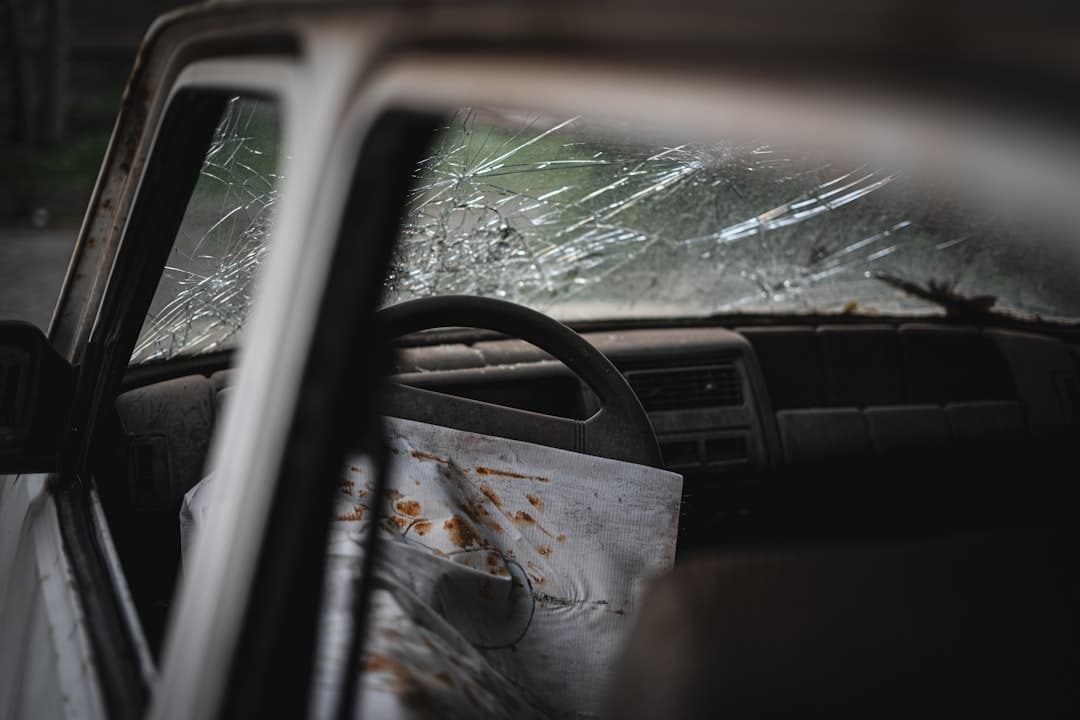

Auto glass insurance is a specialized type of coverage designed to protect vehicle owners from the financial burden associated with repairing or replacing damaged glass components of their vehicles. This insurance typically covers the windshield, side windows, rear windows, and sunroofs. The primary function of auto glass insurance is to ensure that drivers can maintain the integrity and safety of their vehicles without incurring significant out-of-pocket expenses.
In many cases, this coverage is included as part of a broader auto insurance policy, but it can also be purchased as a standalone option. The mechanics of how auto glass insurance works are relatively straightforward. When a vehicle owner experiences damage to their auto glass—whether from a rock chip, a severe weather event, or an accident—they can file a claim with their insurance provider.
Depending on the specifics of their policy, the insurer may cover the full cost of repairs or replacements, often with little to no deductible. This means that in many instances, drivers can have their windshields repaired for free, especially if the damage is minor and can be fixed without replacing the entire glass unit. The process typically involves contacting the insurance company, providing details about the damage, and then either receiving a list of approved repair shops or being allowed to choose their own.
Key Takeaways
- Auto glass insurance covers the cost of repairing or replacing damaged auto glass, and it typically works by the policyholder paying a deductible and the insurance company covering the rest of the cost.
- Insurance typically covers damage from accidents, vandalism, and natural disasters, but may not cover pre-existing damage or wear and tear.
- To file a claim for auto glass repair or replacement, you should contact your insurance company, provide details of the damage, and follow their instructions for getting the glass repaired or replaced.
- Filing an auto glass insurance claim may affect your premiums, but some insurance companies offer coverage for glass damage without impacting premiums.
- When looking for an auto glass repair or replacement service provider, consider factors such as their reputation, experience, warranty, and whether they work with your insurance company.
What Types of Auto Glass Damage Does Insurance Cover?
Windshield Damage
The most common type of damage covered by auto glass insurance is windshield chips and cracks, which can occur from flying debris such as rocks or gravel, especially on highways or construction zones. Many insurance policies will cover repairs for chips that are smaller than a quarter in size, as these can often be fixed without needing to replace the entire windshield. This not only saves money but also helps maintain the structural integrity of the vehicle.
Side and Rear Window Damage
In addition to windshield damage, auto glass insurance often extends to side windows and rear windows. Side windows may be damaged due to break-ins or accidents, while rear windows can suffer from similar issues or even from severe weather conditions like hail.
Policy Details and Limitations
Some policies may also cover sunroofs and other glass components, depending on the specifics of the coverage. It’s essential for vehicle owners to review their policy details to understand what types of damage are included and any limitations that may apply. For instance, some policies might exclude coverage for vandalism or may have specific conditions under which they will pay for repairs.
How Do I File a Claim for Auto Glass Repair or Replacement?

Filing a claim for auto glass repair or replacement is a process that can vary slightly depending on the insurance provider but generally follows a similar structure. The first step is to contact your insurance company as soon as you notice the damage. Most insurers offer multiple ways to file a claim, including online portals, mobile apps, or by calling customer service directly.
When initiating the claim, you will need to provide specific information about the incident that caused the damage, including the date and time it occurred, how it happened, and any relevant details about your vehicle. Once your claim is submitted, the insurance company will typically review it and may ask for additional information or documentation. This could include photographs of the damage or estimates from repair shops.
In many cases, insurers have partnerships with specific auto glass repair companies and may direct you to one of these providers for repairs. After the claim is approved, you will receive instructions on how to proceed with getting your auto glass repaired or replaced. It’s important to keep records of all communications with your insurer throughout this process to ensure that everything is documented in case of any disputes.
Will Filing an Auto Glass Insurance Claim Affect My Premiums?
One common concern among vehicle owners is whether filing an auto glass insurance claim will lead to an increase in their premiums. The answer to this question can vary based on several factors, including the specific policies of the insurance company and the individual circumstances surrounding the claim. In many cases, insurers treat auto glass claims differently than other types of claims, particularly if they are for minor repairs like chip fixes.
Some companies even offer “no-fault” policies for auto glass claims, meaning that filing a claim for windshield repair will not impact your premium at all. However, if you file multiple claims within a short period or if the damage is extensive and requires significant repairs or replacements, this could potentially lead to an increase in your premiums. Insurers assess risk based on claims history, so frequent claims may signal higher risk to them.
It’s advisable for vehicle owners to weigh the cost of repairs against potential premium increases when considering whether to file a claim. Consulting with your insurance agent can provide clarity on how your specific policy handles claims and any potential impacts on your rates.
What Should I Look for in an Auto Glass Repair or Replacement Service Provider?
Choosing the right auto glass repair or replacement service provider is crucial for ensuring quality work and customer satisfaction. One of the first factors to consider is the provider’s reputation within the community. Reading online reviews and testimonials can give you insight into other customers’ experiences regarding service quality, timeliness, and professionalism.
Additionally, checking for certifications from recognized organizations can indicate that the technicians are trained and adhere to industry standards. Another important aspect is whether the service provider offers a warranty on their work. A reputable company should stand behind its repairs or replacements with a guarantee that covers both labor and materials used.
This warranty not only provides peace of mind but also reflects the confidence that the provider has in their workmanship. Furthermore, inquire about the types of materials they use; high-quality glass and adhesives are essential for ensuring safety and durability in repairs or replacements.
Can I Choose Where to Get My Auto Glass Repaired or Replaced with Insurance?

Insurance Company Requirements
Some insurance companies have preferred networks of repair shops that they recommend or require customers to use in order to receive full benefits under their coverage. These preferred providers often have established relationships with insurers, which can streamline the claims process.
Using a Non-Preferred Shop
If you prefer to use a shop outside of your insurer’s network, it’s essential to check with your insurance company beforehand. They may still cover repairs done at non-preferred shops, but could require you to pay a higher deductible or limit coverage amounts.
Making an Informed Decision
It’s also wise to confirm that any shop you choose is certified and has experience with your vehicle make and model. Ultimately, while you may have options regarding where to get repairs done, understanding your policy’s stipulations will help you make an informed decision.
What Should I Do if I Don’t Have Auto Glass Insurance Coverage?
For those who do not have auto glass insurance coverage, there are still options available for managing costs associated with repairs or replacements. First and foremost, it’s advisable to assess whether your existing auto insurance policy includes any form of coverage for glass damage—sometimes this can be bundled within comprehensive coverage without being explicitly labeled as “auto glass insurance.” If you find that you lack coverage entirely, consider reaching out to your insurer to discuss adding it; many companies offer affordable options for this type of protection. If obtaining insurance isn’t feasible at the moment, exploring local repair shops for competitive pricing is another route.
Many auto glass repair companies offer discounts or promotions that can significantly reduce out-of-pocket expenses. Additionally, some shops may provide financing options or payment plans that allow you to spread out costs over time rather than paying a lump sum upfront. It’s also worth considering DIY solutions for minor chips; various kits are available that allow vehicle owners to perform simple repairs themselves if they feel comfortable doing so.
How Can I Prevent Auto Glass Damage and Minimize the Need for Insurance Claims?
Preventing auto glass damage requires proactive measures and awareness while driving. One effective strategy is maintaining a safe distance from vehicles ahead of you, particularly large trucks that may kick up debris onto your windshield. Additionally, being mindful of road conditions—such as avoiding potholes or construction zones—can help reduce risks associated with flying debris or sudden impacts that could lead to cracks.
Regular maintenance checks can also play a significant role in preventing damage. Ensuring that windshield wipers are in good condition helps maintain visibility during inclement weather and reduces stress on the glass itself. Furthermore, parking in shaded areas or using sunshades can protect your windshield from extreme temperature fluctuations that might cause stress fractures over time.
By adopting these preventive measures, vehicle owners can significantly reduce their likelihood of needing to file claims related to auto glass damage while enhancing overall safety on the road.