

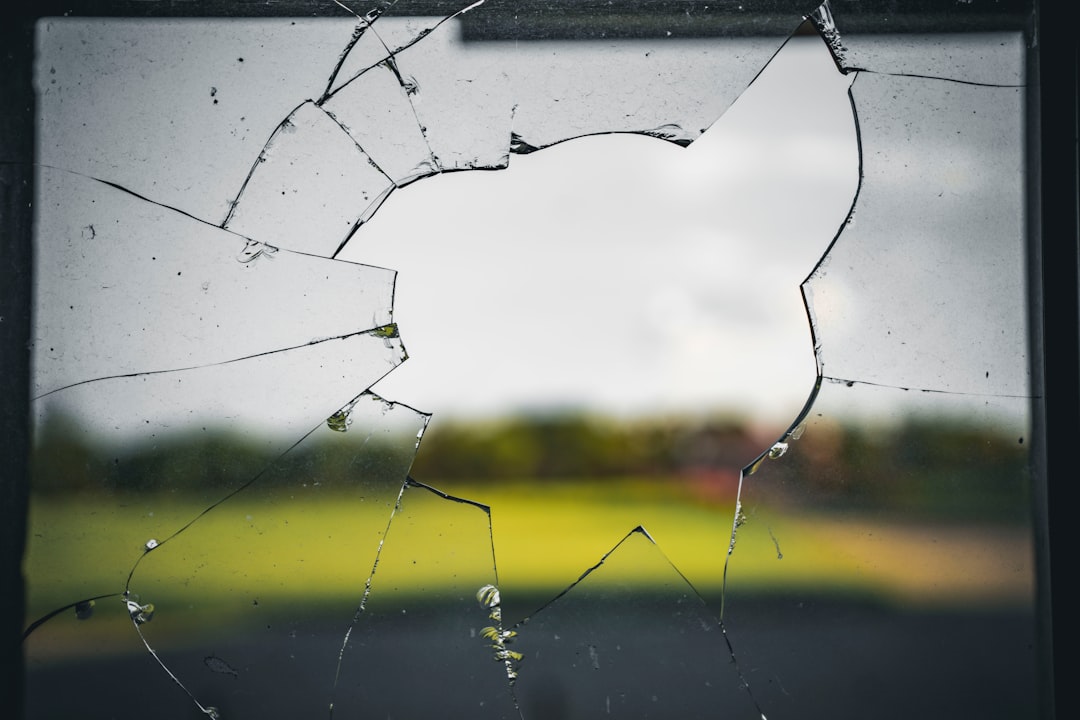

A cracked windshield can feel like a small annoyance, but it’s actually a much bigger deal than most people realize. That spiderweb of lines or that chip you can barely see are more than just cosmetic issues. They compromise the safety and integrity of your vehicle in ways that might surprise you. Think of it this way: your windshield isn’t just a piece of glass; it’s a critical structural component of your car.
It’s easy to think of your windshield as simply a barrier between you and the elements, a way to see the road ahead. But modern windshields are engineered with a lot more in mind than just keeping the rain out of your face. They play a vital role in keeping you safe, especially in unexpected situations.
A Critical Part of Your Car’s Structure
When we talk about a car’s structure, we usually think of the frame, the chassis, the metal bits. But the windshield is actually a load-bearing part of your car’s roof support system.
Protecting You in a Rollover
In the event of a rollover accident, your windshield acts as a crucial support, helping to prevent the roof from collapsing and crushing the occupants. A damaged windshield loses a significant amount of its structural integrity, making this protection much less effective. It’s designed to bear a considerable weight and a crack weakens that ability.
Contributing to Airbag Deployment
Believe it or not, your windshield also plays a role in how your passenger-side airbag deploys. The airbag needs to hit something solid to provide the right kind of support for the person in the passenger seat. The windshield is designed to work in conjunction with the airbag system. A cracked windshield might cause the airbag to deploy incorrectly, or even fail to deploy effectively, leaving occupants more vulnerable.
Advanced Safety Features Are Integrated
Beyond its structural role, your windshield is increasingly becoming a platform for sophisticated safety technology. Many of the advanced driver-assistance systems (ADAS) that make driving safer and more convenient rely on the windshield.
Cameras and Sensors Are Mounted
Think about features like lane departure warning, adaptive cruise control, and automatic emergency braking. These systems often use forward-facing cameras and sensors that are mounted directly on or behind your windshield.
The Importance of Clear Vision for ADAS
For these systems to function accurately, the camera needs a perfectly clear, unobstructed view of the road. A crack, chip, or even a stubborn smear can distort the camera’s perception, leading to false alarms or, worse, a failure of the system to recognize hazards. It’s like trying to read a book with a smudge right over the words; the information just isn’t clear.
Calibration is Key
When a windshield is replaced, these sensors and cameras need to be recalibrated. This isn’t just a quick adjustment; it’s a precise process to ensure the system works as intended. A cracked windshield might not allow for proper recalibration if it’s partially repaired or if significant damage is present.
The Domino Effect: How a Small Crack Becomes a Big Problem
You might think that a tiny chip is just a cosmetic flaw that you can live with. However, a small crack is a warning sign that things are likely to get worse, and quickly. The forces acting on your windshield are constant, and a weakness is an invitation for further damage.
Temperature Changes Are Harsh
The materials that make up your windshield, while strong, are also subject to the effects of expansion and contraction. This is particularly true when temperatures fluctuate dramatically.
Everyday Expansion and Contraction
On a hot day, glass expands. On a cold day, it contracts. This is a natural process. However, a pre-existing crack or chip creates a stress point. As the glass expands or contracts around this point, the existing damage is exacerbated, and the crack is encouraged to spread.
The Impact of Heating and Cooling
Think about the difference between a freezing morning and a scorching afternoon. Or the sudden blast of hot air from your defroster on a frosty morning, or the cold air hitting a hot windshield during a summer shower. These rapid temperature shifts put significant stress on the glass. A hairline crack can quickly become a long, jagged fracture under these conditions.
Vibrations Add to the Stress
Your car isn’t static even when it’s parked. Driving down the road creates constant vibrations. These small, repetitive movements can slowly but surely work their way into any existing weaknesses in the windshield.
Road Conditions Matter
Potholes, speed bumps, rough roads – all of these contribute to the jarring forces that your car, and therefore your windshield, endures. Each bump sends a tiny shockwave through the vehicle.
How Vibrations Spread Cracks
A crack is essentially a separation in the material. Vibrations will naturally seek out these separations and exert pressure, pushing them further apart. Over time, a small chip can morph into a large, unmanageable crack simply from the cumulative effect of everyday driving vibrations.
Pressure Changes Play a Part
The aerodynamics of your vehicle also create pressure changes against the windshield, especially at higher speeds.
Aerodynamic Forces at Play
As air flows over and around your car, it creates areas of higher and lower pressure. The windshield is constantly being pushed and pulled by these forces.
Windshield as a Sail
While it’s designed to withstand these forces, a damaged windshield is less able to distribute that pressure evenly. The existing crack becomes a focal point where the pressure is concentrated, leading to further spreading. It’s like a sail with a tear; the wind will exploit that weakness to make the tear bigger.
Beyond Visibility: The Safety Compromises of a Damaged Windshield
We’ve touched on the structural and technological consequences, but let’s be clear: a cracked windshield directly impacts your ability to drive safely. This isn’t about aesthetics; it’s about hazard perception.
Impaired Vision Reduces Reaction Time
The primary purpose of a windshield is to allow you to see the road clearly. Any distortion or obstruction can have serious consequences.
Glare and Distortion
Cracks and chips can refract light in unpredictable ways. This can lead to glare, especially from headlights at night or sunlight during the day. This glare can momentarily blind you or create phantom obstacles, making it hard to accurately judge distances and identify real hazards.
Difficulty Identifying Road Signs and Hazards
Beyond glare, the spiderwebbing or fractured pattern of a crack can distort your perception of everything you see. A pedestrian darting out, a braking car, or a crucial road sign can appear warped or obscured, delaying your reaction time. In a split-second emergency, even a fraction of a second delay can make a critical difference.
Reduced Protection in an Accident
As mentioned, a cracked windshield drastically compromises its ability to protect you in a collision.
Less Effective in Preventing Ejection
In a severe accident, especially a frontal collision or rollover, the windshield is designed to help keep occupants inside the vehicle. A compromised windshield is far less effective in this regard, increasing the risk of ejection.
Impact on Crumple Zones
Modern vehicles are designed with “crumple zones” that absorb impact energy. The windshield is integrated into this system, contributing to its effectiveness. A damaged windshield can disrupt the intended crumple zone function, potentially leading to more severe impact forces being transferred to the occupants.
Legal and Insurance Ramifications: It’s Not Just Your Problem
Ignoring a cracked windshield can lead to more than just a bigger repair bill down the line. There are legal and insurance implications that you need to be aware of.
Potential for Tickets and Fines
Many jurisdictions have laws regarding vehicle safety equipment, and a cracked windshield often falls under these regulations.
Windshield as a Safety Item
Police officers are trained to look for safety violations, and a significantly cracked or chipped windshield can be deemed a safety hazard. This can result in a traffic ticket, which comes with a fine and potentially points on your driving record.
“Obstruction of View” Clauses
These laws typically state that drivers must have a clear and unobstructed view of the road. A cracked windshield, especially if it’s in the driver’s direct line of sight, can easily fall under an “obstruction of view” clause.
Insurance Companies May Not Cover Future Damage
If you delay repairing a small chip and it spreads into a large crack, your insurance company might view it differently.
Minor Repair vs. Full Replacement
Most auto insurance policies cover the cost of windshield repair (where feasible) with little to no deductible. However, if the chip has spread into a large crack that requires full replacement, your deductible will likely apply on that larger claim.
Negligence Argument
In some cases, if a small chip is left to spread and cause significant damage, an insurance company might argue that the damage was a result of negligence in not addressing the initial, smaller issue. This could potentially affect future claims or lead to higher premiums.
Repair vs. Replacement: When to Call the Professionals
| Reasons for Cracked Windshields | Impact on Safety |
|---|---|
| Extreme temperatures | Reduces structural integrity |
| Road debris | Impairs visibility |
| Improper installation | Increases risk of shattering |
The good news is that not every crack means a full windshield replacement is inevitable. There are times when a repair is a viable and cost-effective solution. However, knowing when that’s the case is important.
The “Dollar Bill” Rule for Repairs
A common guideline is that if a chip or crack is smaller than a dollar bill (approximately 1 inch in diameter for chips, or about 6 inches for linear cracks), it’s often repairable.
Location Matters Significantly
Even if a chip is within the size guidelines, its location is critical. If the damage is directly in the driver’s line of sight, even a small repair might still cause enough distortion to be problematic, and replacement might be a safer bet. Damage near the edges of the windshield can also weaken its structural integrity more significantly.
Edge Cracks Are More Serious
Cracks that extend to the edge of the windshield compromise its ability to stay in place during an accident. These are almost always candidates for replacement.
When Replacement Becomes Necessary
If the damage is too extensive, or if it’s in a critical area, replacement is the only safe option.
Multiple Chips or Large Fractures
If you have several chips, or if a single crack has spread significantly, the windshield’s integrity is too compromised.
Compromised Structural Integrity
As we’ve discussed, the windshield is a structural component. If that structure is significantly weakened, it can no longer perform its safety functions effectively. A replacement brings back the full intended safety and structural benefits.
The Importance of Professional Service
Whether you’re opting for a repair or a replacement, using a reputable professional is crucial.
Correct Tools and Techniques
Auto glass repair and replacement are specialized fields. Professionals have the right tools, adhesives, and techniques to ensure a safe and secure installation or repair.
Protecting Your Vehicle’s Integrity
A DIY attempt is rarely recommended. Improper installation can lead to leaks, wind noise, and a compromised windshield that doesn’t perform its safety functions. Trusting the experts ensures your vehicle remains safe and sound on the road.