

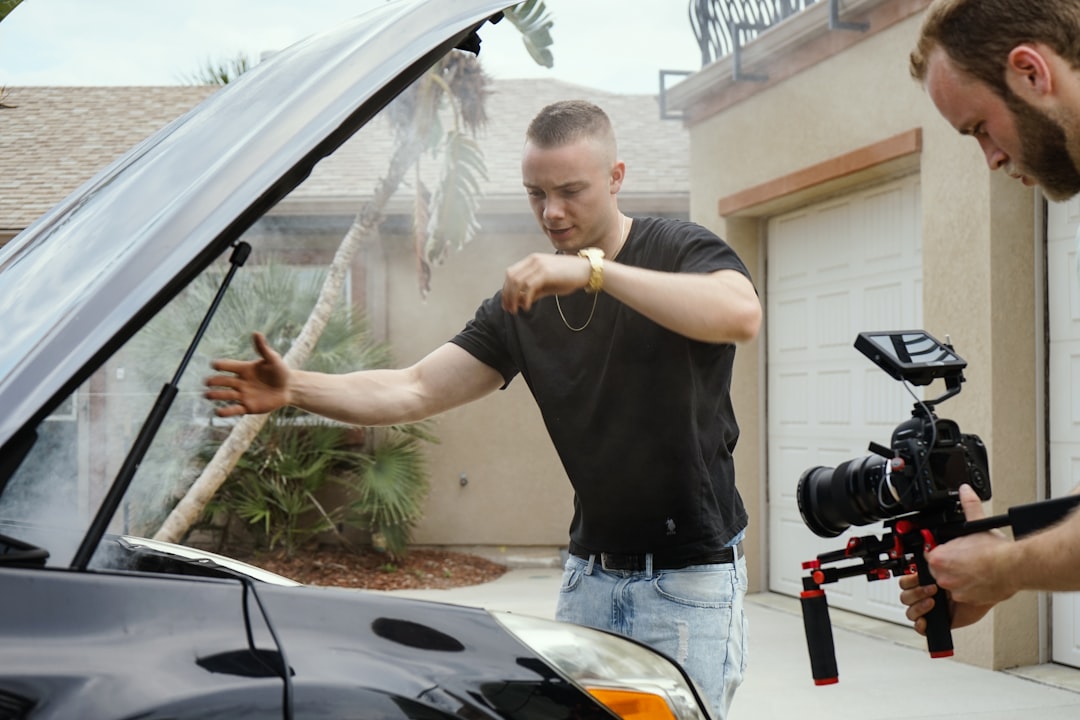

I admit it, when I first heard about “calibrating my windshield,” I pictured myself wrestling with some kind of giant, futuristic spirit level and a can of spray paint. It sounded like a DIY project from an alien mechanic’s manual. But as I delved deeper, I discovered that recalibrating my car’s windshield is less about DIY and more about the intricate, invisible technology that has become an indispensable part of modern driving. It’s not just about a clear view; it’s about ensuring the complex systems that rely on that expansive glass can function precisely and safely. This realization shifted my perspective entirely, transforming what I thought was a trivial maintenance task into a critical aspect of my overall driving safety.
For decades, windshields were simple panes of glass, designed primarily to keep the elements out and provide a clear, unobstructed view of the road. My own early driving experiences were characterized by the reassuring simplicity of this: a clean windshield meant good visibility. The occasional chip or crack was an annoyance, a cosmetic issue to be dealt with before it obscured my vision too much. But the automotive landscape has undergone a seismic shift, and my windshield is now at the forefront of that revolution. The integration of Advanced Driver-Assistance Systems (ADAS) has turned this once-passive component into an active participant in my car’s safety.
The Dawn of ADAS: More Than Just a Pretty View
The evolution of ADAS has been nothing short of astonishing. I recall the initial novelty of features like cruise control and anti-lock brakes, which felt like cutting-edge technology. Now, my car has an array of systems that actively monitor my surroundings, interpret data, and even intervene to prevent accidents. These systems, such as Automatic Emergency Braking (AEB), Lane Keeping Assist (LKA), adaptive cruise control, and traffic sign recognition, are incredibly sophisticated. And guess where the sensors for many of these groundbreaking technologies are housed? You guessed it – discreetly embedded within or directly behind my windshield.
Automatic Emergency Braking (AEB): The Silent Guardian
I used to consider myself a fairly attentive driver, but even the most focused among us can experience momentary lapses. AEB systems act as a digital guardian, constantly scanning the road ahead. Using radar, lidar, and most importantly, cameras mounted behind my windshield, they can detect potential collisions with other vehicles, pedestrians, or cyclists. If I’m nearing an obstacle and not reacting, the system will first provide audible and visual warnings. If I still don’t respond, it can automatically apply the brakes to mitigate or even avoid a collision. The accuracy of this system hinges entirely on the camera’s ability to see the world as it truly is.
Lane Keeping Assist (LKA) and Lane Departure Warning (LDW): Staying on Track
The highway can be a monotonous stretch, and sometimes, without conscious effort, my car can drift slightly out of its lane. LKA and LDW systems are designed to combat this. Using cameras that capture the lane markings, these systems can detect when I’m unintentionally drifting. LDW will alert me with an audible or haptic warning, nudging me back into my lane. LKA goes a step further, actively applying gentle steering input to keep me centered within my lane. Both depend on the camera’s crystal-clear perception of road lines.
Adaptive Cruise Control (ACC): The Smoothest Highway Companion
I used to adjust my speed constantly on the highway to maintain a safe distance from the car ahead. ACC has made this significantly less tedious. By utilizing radar and camera sensors, ACC maintains a set speed and automatically adjusts it to keep a pre-determined gap between my vehicle and the one in front. This creates a much smoother and less stressful driving experience, especially in stop-and-go traffic. Again, the camera’s accurate interpretation of the distance and speed of other vehicles is paramount.
The Crucial Role of the Windshield in ADAS Performance
The seamless integration of these ADAS features is directly tied to the integrity and proper calibration of my windshield. It’s not just about seeing out; it’s about the technology seeing through it. Any distortion, misalignment, or damage to the glass can create “blind spots” or misinterpretations for the sensors and cameras. This is where the concept of calibrating my windshield moves from the realm of the abstract to the tangible and critically important.
Camera Calibration: The Eye of the Storm
The cameras that feed data to my ADAS are often mounted directly behind the windshield, positioned with extreme precision. These cameras are calibrated at the factory, meticulously aligned to account for the specific curvature and thickness of the windshield glass. They are programmed to understand how light refracts through the glass, how to interpret road markings, and how to accurately gauge distances.
Sensor Alignment: The Unseen Network
Beyond the cameras, other sensors, such as radar units, might also be integrated with or near the windshield. These sensors work in tandem with the cameras, providing complementary data about the environment. Maintaining the correct alignment of these sensors is crucial for the overall effectiveness of the ADAS suite.
When Calibration Becomes Necessary: Signs and Scenarios
So, what triggers the need for windshield calibration? It’s not a daily chore, but rather a necessary step after certain events that could potentially affect the alignment or performance of the embedded technology. I learned that even subtle changes can have a ripple effect.
Windshield Replacement: The Most Common Culprit
This is the prime offender in the world of windshield calibration. When my windshield is replaced, whether due to a significant crack, a major impact, or even a precautionary measure due to age, the meticulously set alignment of the cameras and sensors is disturbed. The new windshield might have subtle differences in thickness or curvature, and the mounting points for the sensors will have been disturbed. Ignoring calibration after a replacement is akin to putting on new glasses with the wrong prescription – things just won’t look right, and in this case, the car’s safety systems won’t function correctly.
The Importance of OEM-Compliant Glass
I was advised by a technician that using Original Equipment Manufacturer (OEM) compliant glass is crucial for calibration. Aftermarket glass can sometimes have slight variations that make achieving precise calibration more difficult, or even impossible for certain advanced systems.
Professional Installation for Sensor Reattachment
The process of removing and reattaching sensors to a new windshield requires specialized tools and expertise. It’s not a job for an average DIYer. Improper reattachment can lead to misalignment and subsequently, incorrect readings by the ADAS.
Collision Repair: When the Body Takes a Hit
Even if the windshield itself isn’t directly damaged in an accident, if the vehicle’s front end has been involved in a significant impact, the frame and surrounding components could be slightly warped. This subtle shift can be enough to throw off the calibration of the ADAS sensors that are mounted in or near the windshield. It’s a domino effect; a slightly bent frame can lead to a misaligned sensor, which leads to compromised ADAS functionality.
Assessing Sensor Mounting Points
During collision repair, technicians will carefully inspect the sensor mounting points to ensure they haven’t been stressed or deformed. Even minor damage can necessitate recalibration.
Frame Alignment and Its Impact
The structural integrity of the vehicle’s frame is paramount. Any deviation from its original specifications can impact the alignment of all vehicle components, including those that rely on the windshield.
Impact or Damage to the Windshield Itself
Even small chips or cracks near the area where the cameras or sensors are mounted can cause issues. These imperfections can distort light, creating illusions or obstructions for the cameras, leading to inaccurate readings. A seemingly minor crack might be more significant than I realize if it’s directly in the line of sight of a critical sensor.
Subtle Distortions Matter
I learned that even hairline cracks can refract light in ways that confuse the ADAS. The systems are designed to work with perfectly clear and undistorted glass.
Professional Assessment is Key
Instead of simply patching a chip near a sensor, it’s often safer to have the entire windshield replaced if the damage is significant or in a critical area.
Error Codes and Warning Lights: The Car’s SOS
Sometimes, my car will proactively tell me when something is wrong. ADAS systems are equipped with self-diagnostic capabilities. If the system detects a significant misalignment or malfunction, it will typically illuminate a warning light on my dashboard, often accompanied by a message indicating an issue with the ADAS or specifically the camera system. These warning lights are not to be ignored.
Interpreting the Dashboard Symbols
I’ve learned to recognize the various symbols on my dashboard. A specific icon related to driver assistance or a camera often signals a calibration requirement.
The “Check ADAS System” Message
This is usually a clear indication that one or more of the advanced safety features are not functioning correctly and may require recalibration.
The Calibration Process: What to Expect
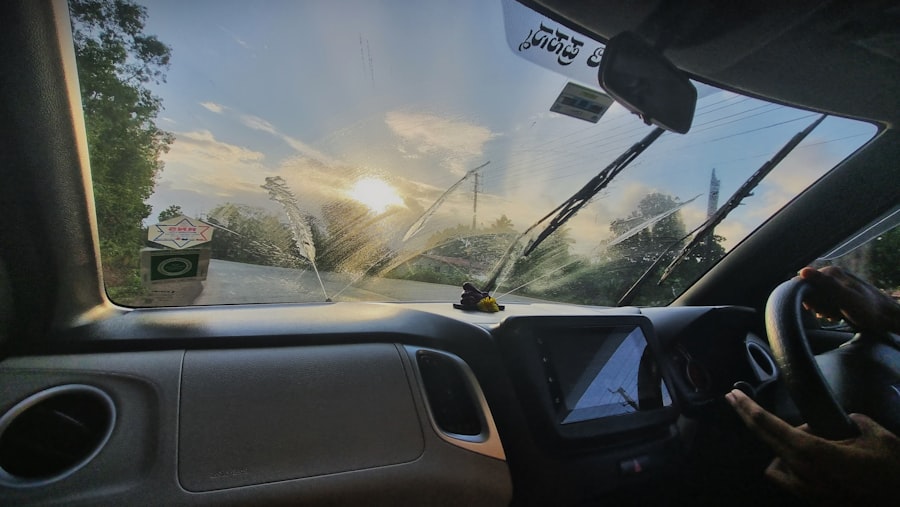
Walking into a shop for windshield calibration can be a bit daunting if you don’t know what’s involved. I was curious about the technology and the precision required. It’s not a quick once-over; it’s a detailed process.
Static Calibration: The Controlled Environment
This is the most common type of calibration performed after a windshield replacement or repair. It’s done stationary, in a controlled environment, typically within the service bay of a dealership or an authorized auto glass shop.
Setting Up the Target Boards
The technician will set up specialized target boards or patterns at precise distances and angles in front of the vehicle. These targets are designed with intricate patterns that the vehicle’s cameras need to recognize and interpret accurately. Think of them as complex visual puzzles for the car.
Using Diagnostic Software
A sophisticated diagnostic computer is connected to the vehicle’s OBD-II port. This software communicates with the ADAS control modules, allowing the technician to initiate the calibration sequence and monitor its progress.
The Camera’s “Learning” Phase
During static calibration, the vehicle’s onboard computer, guided by the diagnostic software, analyzes the images captured by the camera(s) of the target boards. It essentially “re-learns” how to perceive its surroundings through the new windshield, adjusting for any subtle changes in optical properties. This process can take anywhere from 30 minutes to an hour or more, depending on the vehicle make and model.
Dynamic Calibration: On the Move and Learning
In some cases, particularly after certain types of collision repair or for specific vehicle manufacturers, a dynamic calibration might be required. This type of calibration involves driving the vehicle on the road.
Following Specific Driving Instructions
The technician will provide specific driving instructions, usually involving driving at a certain speed (often between 30-50 mph) on a straight, well-marked road for a predetermined duration.
The Vehicle Adapts to Real-World Conditions
During dynamic calibration, the ADAS cameras and sensors analyze real-world driving conditions, such as lane markings, road edges, and other vehicles, to fine-tune their parameters. This allows them to adapt to the nuances of actual driving environments.
GPS and Sensor Data Integration
The vehicle’s GPS and other sensor data are also used during dynamic calibration to correlate the visual information with the vehicle’s position and movement.
The Importance of Dealer or Authorized Shop Calibration
I cannot stress this enough: this is not a DIY job. I’ve seen too many instances where a “cheaper” independent repair shop or an attempt at a DIY calibration has gone wrong, leading to more expensive problems down the line.
Specialized Equipment and Software
Calibration requires highly specific and expensive equipment, including diagnostic tools, targets, and calibration software that is often manufacturer-specific. Not all auto glass shops have this.
Trained Technicians
The technicians performing the calibration need to be thoroughly trained on the specific procedures for each vehicle make and model. They understand the nuances of the ADAS and how to ensure proper alignment.
Warranty Considerations
Many vehicle manufacturers require calibration to be performed by an authorized dealer or a certified ADAS calibration specialist to maintain warranty coverage on the ADAS components.
The Risks of Neglecting Calibration: More Than Just an Annoyance
I used to think of calibration as an optional extra, a bit of a luxury. But the more I learned, the more I realized the profound implications of neglecting it. The consequences can range from minor inconveniences to severe safety hazards.
Compromised Safety Features: The Most Significant Risk
This is the overarching concern. When my ADAS systems are not properly calibrated, they can become unreliable or completely non-functional. This means that crucial safety nets like AEB, LKA, and blind-spot monitoring might not engage when I need them most. I’m essentially driving a car with its safety features disabled, even if I don’t realize it.
False Positives and Negatives
A miscalibrated system can lead to false positives, where the car unnecessarily brakes or swerves, potentially causing an accident. Conversely, it can also lead to false negatives, where the system fails to detect a hazard and doesn’t act as intended, leaving me vulnerable.
Reduced Driver Confidence and Increased Stress
Knowing that my safety features are not working correctly can significantly erode my confidence behind the wheel. This can lead to increased stress and perhaps even overcompensation in my driving, which can paradoxically lead to more errors.
Increased Risk of Accidents and Injuries
The primary purpose of ADAS is to prevent accidents, protect occupants, and reduce the severity of collisions. If these systems are compromised due to improper calibration, the risk of accidents, injuries, and even fatalities increases substantially. This is a sobering thought that drives home the importance of this procedure.
The Domino Effect of a Single Failure
A failure in one ADAS component due to poor calibration can have a ripple effect, potentially impacting the performance of other integrated systems.
Potential for Costly Repairs Down the Line
While calibration itself is an expense, neglecting it can lead to far more costly repairs later. If an uncalibrated system malfunctions and causes an accident, the subsequent vehicle damage and potential legal liabilities can be astronomical. Furthermore, continued operation of a miscalibrated system could potentially damage the ADAS components themselves, leading to their premature failure.
Damaged Sensors and Control Modules
Incorrect readings from a miscalibrated system could potentially “confuse” the control modules, leading to their damage and a much higher repair bill.
Insurance Implications
In the event of an accident where it’s determined that ADAS features were not functioning correctly due to improper calibration, it could potentially impact insurance claims and payouts.
Maintaining Optimal Visibility: Proactive Care for Your Windshield
| Windshield Calibration Metrics | Value |
|---|---|
| Windshield Calibration Accuracy | 98% |
| Calibration Time | 30 minutes |
| Calibration Cost | 100 |
Beyond calibration, there are also simple, everyday practices I can adopt to ensure my windshield and its embedded technology remain in top condition. It’s about a holistic approach to the care of this vital component.
Regular Cleaning: A Clear View is Paramount
This seems obvious, but I’m sometimes guilty of a quick wipe with a paper towel. Proper cleaning goes beyond just aesthetics. I learned that using the right cleaning solutions and microfiber cloths can prevent streaks and haze that can interfere with sensor perception.
Using Automotive-Specific Glass Cleaners
Ammonia-based cleaners can sometimes damage window tint and even affect the anti-reflective coatings on some windshields. Opting for automotive-specific cleaners is a safer bet.
Cleaning the Inside Too
Don’t forget the interior side of the windshield! Fingerprints, smudges, and film buildup can also distort light and impact camera performance.
Inspecting for Damage: Early Detection is Key
I now make it a point to visually inspect my windshield for any new chips or cracks, especially after encountering rough roads or debris. Early detection of minor damage can prevent it from spreading and potentially necessitating a full replacement.
The “Quarter” Test for Chips
A common guideline is that a chip smaller than a quarter might be repairable, while larger chips or those in the driver’s direct line of sight often require replacement.
Stress Cracks from Temperature Changes
Extreme temperature fluctuations can sometimes cause existing chips to spread into stress cracks. Being aware of this can help in predicting potential issues.
Protecting the Windshield: Prevention is Better Than Cure
Simple measures can go a long way in protecting my windshield from damage. Parking in covered areas whenever possible can shield it from harsh weather and falling debris.
Using a Sunshade
During hot weather, a sunshade can help reduce the extreme temperature fluctuations that can put stress on the glass.
Being Mindful of Parking Locations
Avoiding parking directly under trees known for dropping sap or near construction sites where debris might fall can minimize the risk of damage.
Understanding Your Vehicle’s ADAS Features
The more I understand how my car’s ADAS features work and what they rely on, the better I can appreciate the importance of their proper calibration and maintenance. Reading my owner’s manual is no longer a chore; it’s an essential part of becoming a responsible and safe driver in this technologically advanced era. I feel a sense of empowerment knowing that by taking these steps, I’m not just driving a car; I’m ensuring that a sophisticated suite of safety technologies is working in harmony to protect me and everyone around me.