

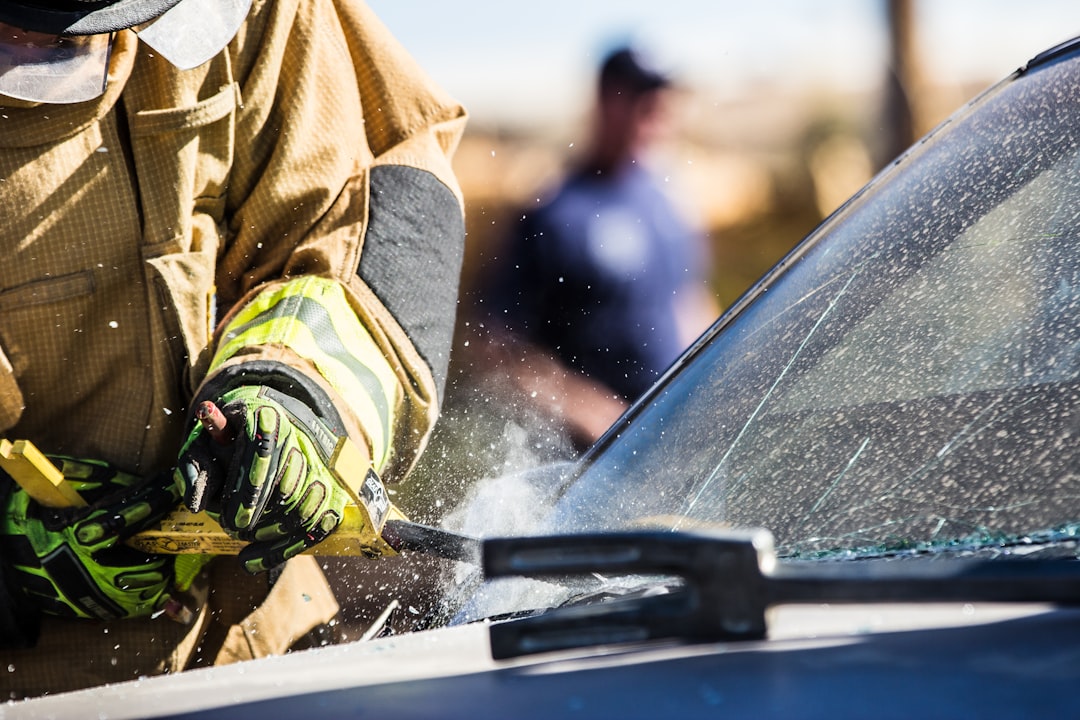

The sting of rock impact on my windshield always sends a ripple of dread through me. It’s more than just an annoyance; it’s a potential safety hazard and a frustrating expense I’d rather avoid. While the thought of a cracked or chipped windshield is never pleasant, understanding the costs associated with repairing it can alleviate some of that stress. In my experience, navigating the world of windshield repair can feel a bit like deciphering a cryptic code, with different factors influencing the final price tag. This article is my attempt to demystify those costs, drawing from my own encounters and a bit of research.
The moment I notice that tell-tale spiderweb or pit on my windshield, my first thought isn’t usually about the cost, but the severity of the damage. However, the reality is that this initial assessment is the bedrock upon which all cost estimations are built. A tiny chip might seem insignificant, but it could be the precursor to a much larger problem. Understanding the types of damage and how they influence repairability is crucial to understanding the price.
### Types of Windshield Damage and Their Cost Implications
My windshield has seen its fair share of encounters. I remember one particularly nasty chip from a rogue pebble on a highway. It was relatively round and no bigger than a dime. Another time, it was a long, jagged crack that snaked its way across my field of vision. These, I’ve learned, have vastly different implications for repair.
#### Small Chips and Stars: The More Affordable End of the Spectrum
These are typically the most straightforward repairs. A small chip, often less than an inch in diameter, or a “star” break where the impact point has radiating lines, is usually well within the repairable zone. The repair process involves injecting a special resin into the damaged area to fill the void and bond the glass back together. This prevents the damage from spreading and restores clarity. For these minor incidents, I’ve found the costs to be quite manageable, often falling within the range of a decent oil change. The technicians can usually complete these repairs relatively quickly, which also contributes to the lower price. They’re essentially sealing the damage before it becomes a bigger headache.
#### Cracks: When the Price Starts to Climb
Cracks are where things get a bit more complicated and, inevitably, more expensive. The length and depth of a crack are significant factors. A short crack, perhaps a few inches long and not extending to the edge of the windshield, might still be repairable. However, the process is more involved than a simple chip. The technician may need to drill small holes at the ends of the crack to stop its propagation before injecting the resin. This meticulous process takes more time and expertise.
If the crack is long, deep, or extends to the edge of the windshield, it often becomes unrepairable. This is where the cost of replacement looms large. A crack that has spread significantly can compromise the structural integrity of the entire windshield, which is a crucial component for the safety of the vehicle, especially in the event of a rollover or frontal collision. The windshield acts as a critical support for the roof and a passenger airbag deployment surface in many cars.
#### Combination Damages: The Most Costly Scenarios
Sometimes, my windshield presents me with a truly unfortunate combination of damage – a chip with a small crack radiating from it, or multiple chips clustered together. These scenarios are generally the most expensive to repair, if they are repairable at all. The complexity of treating multiple points of damage, or a chip that has initiated a crack, requires more time, specialized equipment, and a higher volume of resin. In some cases, the combined damage might be too extensive, making replacement the only safe and viable option. This is when I start mentally preparing myself for a much larger bill.
### The Windshield’s Type and Features: A Premium for Advanced Glass
It’s not just the damage itself that dictates the price; the actual windshield on my car plays a significant role too. Gone are the days of a single, universally priced piece of glass. Modern vehicles come equipped with increasingly sophisticated windshields that carry a higher price tag, and therefore, a higher repair or replacement cost.
#### Standard vs. Laminated Glass: The Baseline
Most modern car windshields are made of laminated safety glass. This type of glass consists of two layers of glass with a plastic interlayer, typically polyvinyl butyral (PVB), bonded between them. This design is crucial for safety; when the windshield breaks, the glass fragments adhere to the interlayer, reducing the risk of injury from sharp shards. The cost of this type of glass is generally higher than that of a single pane of tempered glass, which is used for side and rear windows.
#### Heated Windshields and Sensors: Adding to the Price
My current car, for instance, has a heated windshield, which is a godsend on frosty mornings. However, I also know that this feature adds a significant premium to the cost of both repair and replacement. The heating elements are embedded within the glass or the interlayer, and any damage affecting these lines can be more complex and costly to address.
Similarly, vehicles equipped with advanced driver-assistance systems (ADAS) often have cameras and sensors mounted behind or within the windshield. These systems, responsible for features like lane departure warning, adaptive cruise control, and automatic emergency braking, require precise calibration after a windshield replacement. This recalibration process is an additional cost that can easily add a few hundred dollars to the overall bill. I learned this the hard way when a stone chip necessitated not just a new windshield but also a recalibration of my adaptive cruise control sensors.
#### Tinted and Coated Glass: Specialized Materials, Specialized Costs
Some windshields come with special tints or coatings to reduce glare, UV radiation, or heat buildup. While these features offer comfort and protection, they can also increase the cost of replacement. The specialized manufacturing processes and materials involved in creating these treated glass panels translate to higher prices.
## The Repair Process: Labor, Materials, and Technic Expertise
Beyond the raw materials and the type of glass, the actual hands-on work involved in repairing my windshield is a significant cost factor. It’s not as simple as slapping on a band-aid; windshield repair requires specialized tools, materials, and a skilled technician.
### Injecting Resin: The Heart of Chip and Crack Repair
For smaller chips and cracks, the primary repair method involves injecting a specialized resin. This isn’t your average glue. Auto glass repair resins are formulated to match the optical properties of glass, cure to a hard, clear finish, and withstand temperature fluctuations. The quality and type of resin used by the repair shop can influence the price. A higher-quality resin, which provides a stronger, more optically clear repair, might cost a little more upfront but could lead to a more durable and less noticeable repair.
#### Resin Quality and Durability: Investing in a Better Fix
I’ve noticed that some shops use what seems like a more advanced resin that cures to a perfectly clear finish, making the repair almost invisible. Others might use a more basic resin that still seals the damage but might leave a slight haze. Generally, the better the resin, and the more advanced the curing process (like UV curing), the higher the cost. However, I’ve found that investing in a higher-quality resin repair is often worth it in the long run, as it’s less likely to yellow or become discolored over time.
#### Curing Methods: The Science Behind the Seal
The resin needs to cure properly to achieve its full strength and clarity. This often involves using UV light to speed up the curing process. The effectiveness of the curing process is paramount to the longevity of the repair. Shops with advanced curing equipment might charge a bit more, but it ensures a more reliable bond.
### Labor Costs: Skill and Time Matter
The amount of time a technician spends on the repair is a direct contributor to the cost. Even for a small chip, the process can take anywhere from 30 minutes to an hour, involving cleaning the area, preparing the injection points, carefully injecting the resin, and then curing and polishing the glass. For longer cracks, the process can extend to an hour or more.
#### Technician Skill and Experience: A Worthwhile Investment
Like any trade, windshield repair technicians gain expertise with experience. A highly skilled and experienced technician can perform a more precise and effective repair. While I might be tempted to go for the cheapest option, I’ve learned that paying a little more for a reputable technician with a proven track record is often a wise decision. Their skill can mean the difference between a repair that lasts and one that fails prematurely.
#### Time Complexity of the Repair: More Time, More Money
The complexity of the damage directly impacts the time a technician will spend. A simple pit takes much less time to address than a crack that requires multiple injection points and careful manipulation of the resin. This increased time translates directly to higher labor costs.
### Tools and Equipment: The Technology Behind the Fix
Modern windshield repair requires specialized tools. From high-powered drills to precise resin injectors and UV curing lights, the equipment used by a reputable repair shop represents a significant investment. This investment is factored into the overall cost of their services.
#### Specialized Drills and Injectors: Precision Matters
The tools used to drill into the glass to create access points for the resin, or the intricate injectors that deliver the resin under pressure, are highly specialized. The precision of these tools directly affects the quality of the repair. Shops that invest in top-of-the-line equipment often reflect that in their pricing.
#### UV Curing Lights: Ensuring a Solid Bond
The UV curing process is critical for the resin to harden and bond effectively. The quality and power of the UV lights used will influence how quickly and thoroughly the resin cures. This technological aspect of the repair contributes to the overall service cost.
## Replacement vs. Repair: When the Damaged Windshield Becomes a Financial Decision
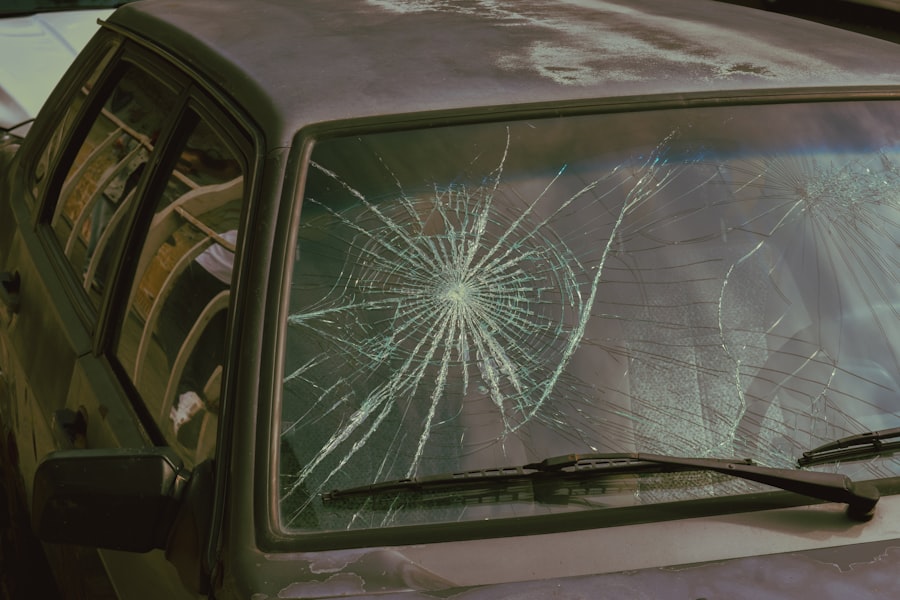
This is the most significant financial juncture I face with windshield damage: repair or replace. It’s a decision that hinges on a multitude of factors, and the cost difference can be substantial. Understanding the tipping point where repair becomes impractical or uneconomical is key.
### When Repair is No Longer an Option: Safety First
There are clear guidelines and industry standards that dictate when a windshield must be replaced, regardless of how small the damage might appear. These are non-negotiable safety concerns that I’ve come to respect.
#### Impact Point Location: Proximity to Cameras and Sensors
If the damage is directly in my line of sight or too close to critical ADAS sensors and cameras, repair might be deemed unsafe or ineffective. Even if the repair is structurally sound, the distortion from the repaired area could interfere with the functionality of these systems. This is a major factor that often pushes me towards replacement.
#### Damage Size and Type Limits: The Industry Standards
Generally, chips larger than a quarter or cracks longer than six inches are considered unrepairable by most professional standards. The National Glass Association (NGA) provides guidelines, and I trust that reputable shops adhere to them. If the damage infringes on these limits, it’s often a safety concern, and replacement is the only responsible choice.
### The Cost of Replacement: A Significant Investment
Replacing a windshield is a considerable expense. It’s not just the glass itself, but the labor involved in safely removing the old windshield and installing a new one.
#### The Price of a New Windshield: OEM vs. Aftermarket
Just like with other car parts, there are Original Equipment Manufacturer (OEM) windshields and aftermarket alternatives. OEM parts are made by the same company that manufactured my car’s original windshield, ensuring a perfect fit and adherence to original specifications. Aftermarket windshields are produced by other manufacturers and can be a more affordable option, but the quality can vary. I’ve learned to inquire about the difference and make a decision based on my budget and the importance of an exact match.
#### Labor for Removal and Installation: A Precise Task
Removing a windshield is a delicate process. The old glass is bonded with a strong adhesive, and care must be taken not to damage the surrounding paintwork or dashboard. The new windshield must be installed with precision to ensure a watertight seal and proper structural integrity. This labor-intensive process adds significantly to the replacement cost.
#### Recalibration of ADAS Systems: An Essential Post-Replacement Step
As mentioned before, if my car has ADAS features, the calibration of the associated cameras and sensors after replacement is a crucial and often expensive step. This ensures the safety systems function correctly. Ignoring this step can compromise my safety and the safety of others.
### Factors Influencing Replacement Price: A Deeper Dive
Even when replacement is the only option, there are still variables that will affect the final bill.
#### Make and Model of Vehicle: Luxury and Complexity Drive Up Cost
My humble sedan’s windshield is likely cheaper to replace than that of a luxury SUV or a vehicle with a more complex glass curvature and integrated technology. The design and engineering of the windshield itself play a significant role in its cost.
#### Additional Features (HUD, Rain Sensors, etc.): The “Smart” Windshield Premium
Windshields with Heads-Up Displays (HUDs), integrated rain sensors, or other technological features will naturally carry a higher price tag. These are specialized components that add to the manufacturing complexity and the overall cost.
## Insurance and Warranties: Mitigating the Financial Blow
The thought of a hefty windshield bill used to fill me with dread. However, my experiences have taught me the importance of understanding my insurance coverage and any warranties that might come into play. These can significantly reduce my out-of-pocket expenses.
### Your Auto Insurance Policy: A Lifeline for Repairs
My auto insurance policy is my primary safety net when it comes to windshield damage. Most comprehensive insurance policies cover windshield damage, often with a specific deductible. Understanding the nuances of my coverage is vital.
#### Comprehensive vs. Collision Coverage: Which Covers Windshields?
Windshield damage typically falls under comprehensive coverage, which covers non-collision incidents like falling objects, vandalism, or driving over debris. Collision coverage, on the other hand, applies to accidents involving another vehicle or object. I always double-check my policy to ensure I know which type of coverage applies.
#### Deductibles: The Amount You Pay Out-of-Pocket
The deductible amount is the portion of the claim I am responsible for before the insurance company pays the rest. Some insurance providers offer a zero-deductible for windshield claims, which is a fantastic benefit. For others, I might have a specific glass deductible, which can still be significantly less than the full repair or replacement cost.
#### Claims Process: Navigating the Paperwork
When I need to file a claim, I’ve learned that a smooth process involves having all the necessary documentation ready – photos of the damage, the repair estimate, and the insurance policy details. Some insurance companies have preferred repair networks, which can sometimes offer more streamlined service.
### Repair Shop Warranties: Ensuring the Longevity of Your Fix
Beyond insurance, reputable repair shops often offer warranties on their work, which can provide peace of mind and financial protection.
#### Limited Lifetime Warranties on Repairs: A Sign of Confidence
Many shops offer a limited lifetime warranty on their chip and crack repairs. This typically covers the repair itself against issues like cracking or peeling. It’s a good indication that the shop stands behind the quality of their work.
#### Warranties on Replacement Glass: Protecting Your Investment
When I opt for a replacement, I also look for shops that offer a warranty on the new glass and the installation. This might cover leaks, defects in the glass, or problems with the seal.
### Manufacturer and Dealer Warranties: Checking for Specific Coverage
Sometimes, my new car warranty or a specific dealership might offer additional coverage for windshield damage, particularly in the initial years of ownership. It’s always worth checking with my dealership or reviewing my vehicle’s warranty documents to see if any provisions exist for windshield repair or replacement.
## Factors Influencing Labor Costs and Where to Find Value
| Service | Cost |
|---|---|
| Windshield repair | Low cost |
| Windshield replacement | High cost |
While the cost of the glass itself is a significant factor, the labor involved in either repairing or replacing my windshield is equally important. I’ve learned that not all labor costs are equal, and finding value means looking beyond just the hourly rate.
### Location and Overhead: The Cost of Doing Business
The geographical location of the repair shop can play a role in labor costs. Shops in major metropolitan areas with higher rents and operating expenses may charge more than those in smaller towns. This is a practical consideration I’ve noted when comparing quotes.
#### Urban vs. Rural Pricing: Regional Differences in Cost
I’ve observed that prices can indeed vary depending on whether the shop is in a bustling city center or a more rural setting. The cost of living and doing business in different regions directly impacts the pricing structure.
#### Shop Size and Facilities: Investments in Infrastructure
Larger, well-established shops with more extensive facilities and a larger team of technicians might have higher overhead, which can be reflected in their labor rates. However, this can also translate to more advanced equipment and a greater capacity for handling repairs efficiently.
### Mobile vs. In-Shop Services: Convenience Comes at a Price
Many auto glass companies offer mobile services, where technicians come to my home or workplace to perform the repair. This is incredibly convenient, but sometimes there’s a slight premium for this convenience.
#### The Convenience Factor of Mobile Service: Time Savings
The ability to have my windshield repaired without having to take time off work or arrange for transportation is a huge benefit. This convenience is often factored into the price of mobile services.
#### Potential for Higher Cost for Mobile Technicians: Travel and Logistics
Mobile technicians have the added costs of travel, fuel, and maintaining a fully equipped service vehicle. These expenses can sometimes lead to slightly higher labor charges compared to an in-shop repair. However, for me, the time saved and the ease of the process often outweigh this minor difference.
### Finding Value: Smart Shopping and Comparison
To ensure I’m getting the best value for my money, I avoid making the first decision that comes my way. Smart shopping is key.
#### Getting Multiple Quotes: The Power of Comparison
I always aim to get at least two or three quotes from different reputable auto glass repair shops, whether for a repair or a replacement. This allows me to compare not only prices but also the services offered and the warranties provided.
#### Researching Reviews and Reputation: Trustworthy Technicians
Before choosing a shop, I spend a little time researching their online reviews and their reputation within the community. A shop with consistently positive feedback is likely to provide better service and a more reliable repair. I’ve found that word-of-mouth recommendations are also invaluable.
#### Understanding What’s Included: Avoiding Hidden Fees
I always ensure I fully understand what is included in the quote. Are there any hidden fees for disposal of old glass, environmental charges, or specific cleaning products? Clarity on these details helps prevent surprises on the final bill. I’ve learned to ask specific questions about the entirety of the service being provided.
Ultimately, understanding windshield repair costs is about more than just the numbers. It’s about making informed decisions that prioritize safety, durability, and value. By breaking down the various factors involved, from the type of damage to the warranty offered, I can navigate these sometimes-frustrating situations with more confidence and less financial anxiety. It’s an investment in the safety and integrity of my vehicle, and with the right knowledge, it doesn’t have to break the bank.