

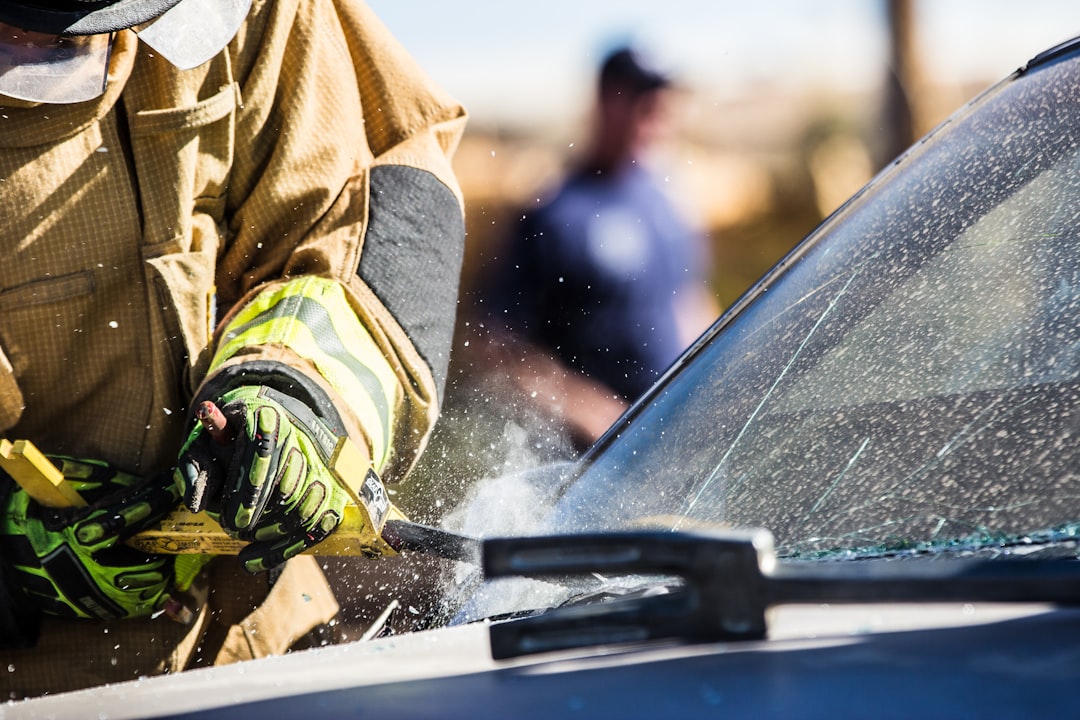

My windshield, once a crystal-clear portal to the world, had become a fractured mosaic. It started with a tiny chip, barely noticeable, a mere imperfection I’d initially dismissed. But as the weeks turned into months, that small chip began a relentless journey of expansion, morphing into a spiderweb of cracks that distorted my view and filled me with a growing sense of unease. I’m no stranger to car troubles – oil changes, tire rotations, the usual suspects. But a damaged windshield felt different. It wasn’t just an inconvenience; it was a potential safety hazard, a constant reminder of my car’s vulnerability. It was time for a professional solution, and I quickly learned that “expert auto glass window repair” wasn’t just a catchy phrase; it was the key to regaining my peace of mind and the clarity of my road ahead.
The initial impulse for many, myself included, is to downplay the severity of a cracked windshield. It’s just a small blemish, right? Wrong. My journey into the world of auto glass repair opened my eyes to the multitude of unseen dangers lurking within those seemingly innocent cracks. What appears to be a minor inconvenience can, in fact, significantly compromise the structural integrity of my vehicle and my own safety.
Compromised Structural Integrity
I used to think of my windshield as just a piece of glass, a transparent barrier. However, I learned that it’s far more integral to my car’s overall design than I ever imagined. Modern vehicles are engineered with safety in mind, and the windshield plays a crucial role in this complex system. When it’s compromised, so is the entire structure.
The Airbag’s Loyal Companion
One of the most alarming revelations was the windshield’s role in airbag deployment. I had always associated airbags with steering wheels and dashboards. However, during my research, I discovered that the passenger-side airbag relies on the windshield for proper deployment. It needs a firm backstop to inflate correctly and protect the passenger. A cracked windshield can create weak points, preventing the airbag from functioning as intended, potentially leading to serious injury or worse in the event of an accident. This fact alone was enough to send a chill down my spine and reinforce my decision to seek expert repair.
A Shield Against Collisions
Beyond airbags, the windshield acts as a significant structural component, contributing to the rigidity of the car’s cabin. In a rollover accident, for instance, a sound windshield can prevent the roof from collapsing, offering vital protection to the occupants. A cracked windshield, however, loses a substantial amount of its strength. The impact points of the cracks act as stress concentrators, making the glass more prone to shattering and failing under pressure. I envisioned myself in such a scenario, and the image was unsettling. I realized that my seemingly small crack was a ticking time bomb, diminishing my car’s ability to protect me and my passengers.
Impaired Visibility and Driver Fatigue
It’s easy to overlook how much we rely on our windshield for uninterrupted vision. My cracks, even the smaller ones, were beginning to create distortions. What I once perceived as a clear path ahead was now peppered with distracting lines and blurry patches.
The Illusion of Perception
Driving with a damaged windshield isn’t just about seeing the cracks; it’s about how those cracks alter my perception of the road. Even small chips can refract light, causing glare, especially at night or during sunrise and sunset. This glare can be blinding, momentarily obscuring my view of other vehicles, pedestrians, or road hazards. I recall one particularly unnerving drive at dusk where the setting sun directly hit a prominent crack, creating a blinding rainbow effect that made it difficult to judge distances. It was a stark reminder of how even subtle visual disturbances can have significant consequences.
The Toll on Concentration
My mind, already a busy place, found it increasingly difficult to filter out the visual noise emanating from my windshield. The constant need to refocus, to mentally correct for the distortions, was exhausting. I found myself more prone to making mistakes, my reaction times subtly slowed. This led to increased driver fatigue, a condition often underestimated but just as dangerous as impaired vision. I was putting myself and others at risk simply by trying to navigate my daily commute with a damaged windscreen.
Regulatory Compliance and Potential Fines
The legal implications of a cracked windshield were another eye-opener for me. I hadn’t considered that this seemingly minor issue could also lead to legal trouble and financial penalties.
Passing the Inspection Test
Most regions have regulations regarding the condition of vehicle safety equipment, and windshields are no exception. I learned that a severely cracked or chipped windshield is often an automatic failure during vehicle inspections. This means I could be driving illegally without realizing it, facing the possibility of being pulled over and issued a citation. The thought of being stopped by law enforcement for something so easily preventable was frustrating.
The Cost of Neglect
Beyond failing inspections, driving with a significantly damaged windshield can result in on-the-spot fines. These fines can vary depending on the severity of the damage and local laws, but they represent a direct financial cost of neglecting the problem. I crunched the numbers in my head, comparing the potential fines to the cost of professional repair, and the answer was clear: repair was the financially sound choice.
When to Seek Professional Auto Glass Repair
The decision to seek professional help isn’t always straightforward. Sometimes, a tiny chip might seem manageable. Other times, the damage is so extensive that replacement feels like the only option. However, understanding the threshold where professional intervention becomes essential is key to ensuring safety and longevity. My experience taught me that there’s a fine line, and it’s better to err on the side of caution.
The Size and Location of the Damage
The physical characteristics of the crack or chip are primary indicators of whether repair is a viable option. This is where expert knowledge truly shines.
Chips vs. Cracks: A Critical Distinction
I learned that there’s a significant difference between a chip and a crack. A chip is typically a localized impact point, often with missing glass. A crack, on the other hand, is a fracture that extends from the impact point. Repair is generally most effective on chips or cracks that are relatively small in diameter and haven’t penetrated too deeply into the glass layers.
The Danger Zone: Driver’s Line of Sight
One of the most critical factors determining repairability is the location of the damage. If the chip or crack is directly in my line of sight while driving, especially in the crucial area directly in front of me, repair might be more challenging or even impossible. This is because even a repaired area can leave a slight distortion, and any such distortion in the driver’s direct field of vision can still impair safe driving. Experts will carefully assess this to ensure they aren’t compromising my ability to see the road clearly. Additionally, damage encroaching on the edges of the windshield can also be more problematic, as it can affect the seal and the structural integrity of the glass under pressure.
The Length of the Breach
The length of a crack is another significant factor. Generally, repairs are most effective for cracks that are shorter than a certain length, often cited as being around 6 inches. Longer cracks are more difficult to stabilize and may indicate deeper structural damage. The resin used in repairs needs to be able to reach all parts of the crack to effectively seal it, and with significant lengths, this becomes increasingly challenging.
The Depth and Penetration of the Damage
Beyond the surface appearance, the depth of the impact is crucial. An expert will carefully examine how far the damage has penetrated the glass layers.
The Sandwich Effect: Understanding Laminated Glass
I learned that windshields are made of laminated glass, comprising two layers of glass with a plastic interlayer in between. This design is crucial for safety. During a repair, an adhesive resin is injected into the damaged area. For this resin to be effective, it needs to penetrate and bond with the glass.
Reaching the Core: The Resin’s Task
If the chip or crack is too deep, meaning it has significantly compromised both layers of glass and the interlayer, the resin may not be able to fill and strengthen the entire damaged section. This can lead to incomplete repairs, leaving the windshield vulnerable to further damage or even complete failure. An expert technician has the tools and experience to gauge this depth accurately.
The Number and Pattern of Damage Points
Sometimes, a single impact can create multiple small chips or a branching crack pattern. The complexity of the damage influences the repair process.
The Spreading Web: Spiderweb Cracks
Spiderweb cracks, where a central impact point radiates outwards in multiple directions, can be particularly tricky. While some small spiderweb patterns might be repairable, extensive ones can weaken the glass significantly. The resin needs to be carefully injected to fill all the radiating fissures, which can be a delicate and time-consuming process.
Multiple Impacts: A Complex Puzzle
If my windshield has suffered multiple distinct impact points, each requiring individual attention, it adds complexity to the repair. While it might be possible to repair many small chips, a combination of chips and cracks can make a full repair more challenging and potentially more expensive. The technician must assess each point of damage and determine the best approach for each.
The Expert Auto Glass Repair Process: A Step-by-Step Guide

Having experienced the process firsthand, I can attest that the journey from a damaged windshield to a pristine one is surprisingly efficient and remarkably effective when handled by professionals. It’s not just about slapping some glue on it; there’s a science and an art to it.
Assessment and Preparation: The Foundation of Success
The first thing an expert does is thoroughly assess the damage. This isn’t a quick glance; it’s a detailed inspection.
Initial Inspection: Identifying the Scope
The technician will carefully examine the type, size, depth, and location of the chip or crack. They’ll use specialized lights and magnification to ensure they don’t miss any detail. This initial assessment dictates the entire repair strategy.
Cleaning the Damage: Removing Impurities
Before any repair can begin, the damaged area must be meticulously cleaned. Any dirt, debris, or moisture trapped within the chip or crack can hinder the bonding of the repair resin. This often involves using specialized cleaning solutions and tools to ensure a perfectly clean surface. I watched as the technician used a fine needle to gently probe the crack, ensuring no microscopic particles remained.
Creating a Clean Surface: The Injection Point
A small, precisely drilled hole is often created at the very tip of a crack. This serves as an entry point for the repair resin and helps to prevent the crack from spreading further during the repair process. It might seem counterintuitive to drill into a damaged windshield, but it’s a crucial step for effective repair.
The Art of Resin Injection: Filling the Void
This is where the magic truly happens. The specialized resin is meticulously applied to fill the damaged area.
Choosing the Right Resin: A Molecular Bond
Auto glass repair resins are not just any glue. They are specially formulated to match the optical clarity and expansion properties of glass. These resins are typically clear and cure under ultraviolet (UV) light. The technician selects the precise type of resin based on the kind of damage and the ambient temperature.
Vacuum and Pressure Application: Ensuring Full Penetration
The resin is often injected under vacuum pressure. This process draws air out of the damaged cavity and then forces the resin to fill every nook and cranny. This ensures a strong, durable bond and a virtually invisible repair. I was fascinated watching the technician use a device that created both suction and pressure, slowly but surely pushing the resin into the intricate pathways of the crack.
Curing the Resin: Sealing the Deal
Once the resin is injected and the cavity is filled, it needs to be cured. This is typically done using a UV light. The UV light triggers a chemical reaction that hardens the resin, fusing it with the surrounding glass. This curing process is relatively quick, usually taking only a few minutes.
Finishing Touches: Restoring Clarity
The final steps are about ensuring a seamless finish and restoring the windshield’s appearance.
Scraping and Polishing: A Smooth Surface
After the resin has cured, any excess material is carefully scraped away. The repaired area is then polished to a smooth finish, making it flush with the surrounding glass. The goal is to make the repair virtually undetectable.
Inspection and Verification: Ensuring Perfection
The technician will perform a final inspection to ensure the repair is complete, durable, and has restored the clarity of the windshield. They’ll check for any remaining distortions or imperfections.
The Benefits of Choosing Expert Repair Over Replacement

When I faced my cracked windshield dilemma, the thought of replacement was certainly in the back of my mind. However, after delving deeper into the world of auto glass repair, I discovered that opting for expert repair, whenever possible, offered a compelling array of advantages. It wasn’t just about saving money; it was about preserving my vehicle and making a more sustainable choice.
Cost-Effectiveness: A Smart Financial Decision
Perhaps the most immediate and obvious benefit is the significant cost savings. Replacing a windshield is a considerably more expensive undertaking than repairing a chip or a small crack.
The Price of a New Pane
The cost of a new windshield can vary widely depending on the make and model of my vehicle, as well as any special features it might have, such as rain sensors, heating elements, or integrated antennas. Replacing the entire glass unit involves material costs, labor costs for removal and installation, and often the need to replace seals and moldings.
The Repair Budget
In contrast, a professional chip or crack repair typically costs a fraction of a full windshield replacement. The resin used is relatively inexpensive, and the labor involved, while requiring skill and precision, is considerably less time-consuming than a full replacement. For me, this meant saving hundreds of dollars, which I could then allocate to other essential car maintenance or even something enjoyable.
Time Efficiency: Back on the Road Faster
My life is busy, and the thought of being without my car for an extended period was a major concern. Thankfully, professional repair is a remarkably swift process.
The Replacement Downtime
Windshield replacement can often require my vehicle to be at the shop for several hours, sometimes even overnight, depending on the curing time of the adhesives. This can disrupt my schedule, requiring arrangements for alternative transportation and impacting my daily routines.
The Speedy Repair
A professional auto glass repair, on the other hand, can often be completed within an hour, or sometimes a little longer, depending on the complexity of the damage. This means I can typically drive my car away from the repair facility on the same day, often shortly after the service is completed. This minimal downtime was a huge relief and a significant advantage.
Environmental Responsibility: A Greener Choice
In an era where sustainability is increasingly important, choosing repair over replacement offers a more environmentally conscious option.
The Waste Stream Challenge
When a windshield is replaced, the old, damaged unit becomes waste that ends up in landfills. Glass is not easily biodegradable, and the production of new glass is an energy-intensive process.
Reducing, Reusing, Repairing
By opting for repair, I was essentially “reducing” the need for new materials and “reusing” my existing windshield. This significantly lessens the environmental impact associated with automotive glass disposal and manufacturing. It felt good to know that I was making a choice that was not only practical but also aligned with my desire to be a more responsible consumer.
Maintaining Original Factory Seals: Preserving Overall Integrity
The factory seals around my windshield are crucial for maintaining the vehicle’s watertight integrity and structural strength. Repairing the glass can help preserve these original seals.
The Risk of Seal Damage During Replacement
When a windshield is replaced, the old seals are removed, and new ones are applied. While auto glass shops are skilled at this, there’s always a small risk of damage to the vehicle’s frame or the integrity of the new seals if not done perfectly. This can sometimes lead to issues like water leaks or wind noise down the line.
The Uninterrupted Seal
With a repair, the original factory seals remain intact. The repair process focuses solely on the glass itself, minimizing any disruption to the surrounding components and preserving the original structural integrity of the vehicle. This peace of mind, knowing that the important seals were undisturbed, was a significant factor in my decision.
Finding the Right Expert Auto Glass Repair Service
| Metrics | Data |
|---|---|
| Number of Repairs | 500 |
| Average Repair Time | 1 hour |
| Customer Satisfaction Rate | 95% |
| Types of Repairs | Chip repair, Crack repair, Full window replacement |
The term “expert” carries weight. My journey from a minor inconvenience to a state of assured safety was directly linked to finding the right professionals. It wasn’t just about finding a car repair shop; it was about finding a specialist in auto glass.
The Importance of Specialization: Beyond General Mechanics
While many general auto repair shops offer windshield services, I quickly learned that specialization is key. Auto glass repair is a niche field with its own unique techniques and materials.
The Nuances of Glass Repair
A dedicated auto glass specialist will have a deeper understanding of the different types of glass, the intricacies of laminated glass, and the most effective repair resins and techniques for various types of damage. They are trained to assess damage with a critical eye and execute repairs with precision. I decided to seek out a reputable company that focused solely on auto glass.
Dedicated Tools and Technology
Specialized auto glass repair services invest in state-of-the-art equipment designed specifically for this purpose. This includes advanced injection tools, powerful UV curing lights, and high-quality repair resins. These tools are essential for achieving a seamless and durable repair, ensuring that the resin penetrates fully and cures correctly.
Reputation and Reviews: Trustworthy Recommendations
In today’s digital age, a business’s reputation is often a reflection of its quality of service. I leaned heavily on online reviews and recommendations.
Online Testimonials: Real-World Experiences
Websites like Google Reviews, Yelp, and specialized auto repair platforms provide a treasure trove of customer feedback. I looked for businesses with consistently high ratings and positive comments that specifically mentioned prompt service, quality repairs, and friendly, knowledgeable staff. I paid close attention to comments that detailed successful repairs of chips and cracks similar to mine.
Word-of-Mouth Referrals: Trusted Sources
Sometimes, the best recommendations come from people you know. I asked friends, family, and colleagues if they had any positive experiences with auto glass repair services. A personal recommendation from someone I trust carries significant weight, as they’ve already vetted the service for me.
Certifications and Training: Mark of Professionalism
Just as doctors need certifications, skilled auto glass technicians often hold industry-recognized certifications that demonstrate their expertise and adherence to best practices.
Industry Standards: A Seal of Approval
Organizations like the Auto Glass Safety Council (AGSC) offer certification programs for auto glass technicians, ensuring they have the knowledge and skills to perform safe and professional repairs and installations. I looked for shops that proudly displayed these certifications.
Ongoing Training: Staying Ahead of the Curve
The automotive industry is constantly evolving, and so are auto glass technologies. Reputable repair services invest in ongoing training for their technicians to keep them up-to-date with the latest advancements in glass repair and replacement techniques. This ensures they are equipped to handle even the most complex situations.
Warranty and Guarantees: Peace of Mind Assured
A reputable auto glass repair service will stand behind their work. Offering a warranty or guarantee provides an extra layer of confidence.
The Repair Guarantee
Many reputable shops offer a guarantee on their repairs, promising that the repaired chip or crack won’t spread as long as the windshield isn’t damaged further by other impacts. This commitment assures me that they are confident in the quality of their work.
Understanding the Terms
It’s important to understand the terms of the warranty. What does it cover? For how long? Is it transferable? Knowing the specifics provides peace of mind and ensures that I know what recourse I have if any, though unlikely, issues arise. My experience with expert auto glass window repair was a transformative one. What started as a frustrating imperfection became a testament to the power of specialized expertise and the importance of addressing even seemingly minor issues with the proper attention. My windshield is now a clear, unblemished window once again, and my confidence on the road has been fully restored.