



Centralized auto glass service management significantly saves dealership time by streamlining the entire repair and replacement process through a single point of contact and consolidated systems. Instead of juggling multiple vendors, disparate communication channels, and fragmented billing, dealerships can offload the complexities of auto glass repairs to a dedicated system, freeing up valuable staff hours for core operations like vehicle sales and primary mechanical service. This shift from reactive, ad-hoc management to a proactive, integrated approach translates directly into reduced administrative burden, quicker vehicle turnaround, and ultimately, improved customer satisfaction.
The Time Drain of Decentralized Auto Glass Management
Managing auto glass services without a centralized system often feels like herding cats. Dealerships typically deal with a multitude of tasks that, while seemingly small individually, accumulate into a significant drain on time and resources. This fragmented approach forces staff to wear multiple hats, diverting their attention from revenue-generating activities.
Vendor Selection and Coordination Headaches
Without a centralized system, every auto glass incident can trigger a fresh vendor selection process. Dealership staff might spend considerable time researching local glass shops, comparing quotes, and verifying credentials for each repair. This isn’t a one-time task; it can happen repeatedly throughout the week, depending on the volume of glass damage. Once a vendor is chosen, the coordination begins: scheduling appointments, confirming service times, and ensuring technicians arrive on site, if applicable, or that vehicles are transported to the glass shop. Each phone call, email, and follow-up takes time away from selling cars or managing other service appointments.
Communication Bottlenecks and Misunderstandings
When multiple parties are involved – the customer, the dealership service advisor, the parts department (for ordering specific glass), and the external glass vendor – communication can quickly become a tangled web. Information might be relayed inaccurately, leading to misunderstandings about the scope of work, expected repair times, or even the correct part needed. A service advisor might tell a customer one thing, only for the glass vendor to communicate something slightly different, causing confusion and frustration for everyone involved. Tracking the status of a repair becomes a manual process of calling various parties, leading to delays and inefficient use of staff time.
Inefficient Parts Ordering and Inventory Management
While many auto glass shops source their own glass, dealerships often play a role in this, especially for specific OEM parts or when integrating the glass repair into a larger body shop repair. In a decentralized system, ordering the correct glass can be a separate, manual process. Dealership staff might need to identify the exact SKU, check availability, and place orders directly with parts suppliers, then coordinate delivery with the glass installer. This adds another layer of complexity and potential for error. If the wrong part is ordered, or if there are delays in delivery, the vehicle turnaround time extends, impacting customer satisfaction and dealership efficiency.
Billing and Invoicing Complexity
One of the biggest time sinks in decentralized auto glass management is the billing and invoicing process. Dealerships often receive separate invoices from various glass vendors, each with potentially different pricing structures, payment terms, and reporting formats. Reconciling these invoices, cross-referencing them with internal job orders, and processing payments can be a labor-intensive accounting nightmare. This is especially true for insurance claims, where the dealership might be facilitating the claim on behalf of the customer, adding another layer of paperwork and communication with insurance providers. The sheer volume of individual transactions can quickly overwhelm administrative staff.
How Centralized Systems Streamline Operations
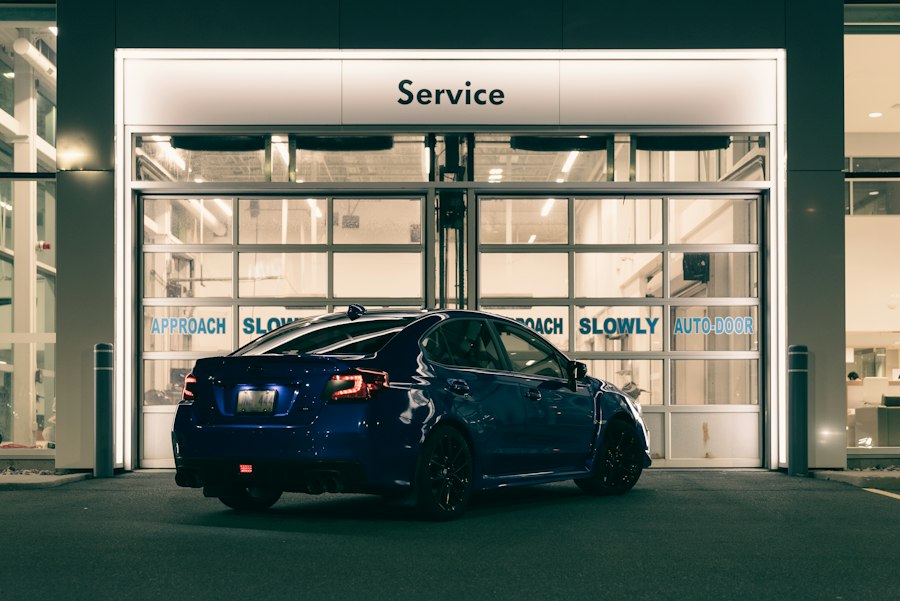
A centralized auto glass service management system acts as a single hub for all glass-related needs, dramatically simplifying processes and reducing the administrative load on dealerships. It transforms a chaotic, multi-point system into an organized, efficient workflow.
Single Point of Contact for All Glass Needs
The most significant benefit of centralization is having a dedicated point of contact. Instead of calling multiple glass shops or trying to track down different technicians, dealership staff interact with one entity for all auto glass services. This single point of contact handles everything from initial quote requests and scheduling to repair status updates and final invoicing. This eliminates the need for dealership staff to become experts in auto glass procurement or to maintain relationships with numerous vendors. It simplifies communication dramatically, ensuring consistency and accuracy in information flow.
Standardized Processes and Procedures
A centralized system brings much-needed standardization to the entire auto glass repair process. This includes standardized pricing, service level agreements (SLAs), repair methodologies, and reporting formats. Dealerships no longer have to negotiate terms with each individual vendor or worry about inconsistent service quality. The centralized provider often uses a network of pre-vetted, high-quality technicians who adhere to strict operational guidelines. This ensures that every repair meets specific standards, regardless of which local technician performs the work. This predictability saves time by reducing the need for oversight and quality checks from dealership staff.
Automated Scheduling and Dispatch
Modern centralized systems leverage technology for automated scheduling and dispatch. When a dealership identifies a vehicle needing glass repair, they can input the request into the system. The system then intelligently assigns the job to the most appropriate technician or shop based on factors like location, technician availability, and specific repair requirements. This eliminates manual phone calls and back-and-forth scheduling efforts. Dealership staff simply submit the request, and the system handles the logistical heavy lifting, confirming appointments and providing real-time updates. This automation drastically cuts down on the administrative time spent on coordination.
Centralized Data and Reporting for Insights
All transaction data, repair history, and associated costs are consolidated within the centralized system. This provides dealerships with a comprehensive overview of their auto glass operations. Instead of sifting through stacks of invoices or disparate spreadsheets, managers can access real-time reports on repair volumes, costs, turnaround times, and customer satisfaction. This data is invaluable for identifying trends, optimizing processes, and making informed decisions about their service offerings. For example, if reports show a recurring issue with a particular type of glass damage, the dealership can proactively address it or adjust their inventory strategies. This centralized reporting capability saves countless hours previously spent on manual data aggregation and analysis.
Seamless Integration with Dealership Management Systems (DMS)
Many advanced centralized auto glass management systems offer integration capabilities with existing dealership management systems (DMS). This means that when a glass repair is initiated, relevant information can flow seamlessly between the systems without manual data entry. For example, vehicle VINs, customer information, and even service history can be pulled directly from the DMS into the glass repair order. Once the repair is complete, the repair details and associated costs can be pushed back into the DMS for unified billing and record-keeping. This level of integration eliminates duplicate data entry, reduces errors, and ensures that all relevant departments have access to the most up-to-date information, significantly streamlining workflows and saving administrative time.
Benefits Beyond Time Savings

While the primary focus is on saving dealership time, centralized auto glass management offers a ripple effect of additional advantages that contribute to overall operational efficiency and profitability. These benefits extend to customer experience, cost control, and even internal resource allocation.
Enhanced Customer Satisfaction
A smoother, faster repair process directly translates into happier customers. When glass repairs are handled efficiently, vehicles are returned more quickly, and customers experience less hassle. The streamlined communication means customers receive consistent updates and accurate information, reducing anxiety and improving trust. Dealerships can offer a more professional and integrated service, preventing the customer from having to coordinate with a separate glass vendor themselves. This positive experience reinforces the dealership’s brand image and can lead to repeat business and positive word-of-mouth referrals.
Improved Turnaround Times for Vehicles
Every day a vehicle sits waiting for a glass repair is a day it’s not generating revenue or satisfying a customer. Centralized management significantly reduces turnaround times by accelerating every step of the process. Automated scheduling ensures repairs happen sooner. Standardized procedures mean technicians are efficient and consistent. And seamless communication prevents delays caused by misinformation or coordination issues. Faster turnaround means vehicles can be sold sooner, returned to customers more quickly, or moved through other service bays with greater efficiency, directly impacting the dealership’s bottom line.
Cost Control and Transparency
Centralized systems often come with pre-negotiated pricing and volume discounts with a network of glass repair providers. This eliminates the need for dealerships to constantly shop for the best price, ensuring competitive and consistent costs. The transparent reporting capabilities allow dealerships to track spending more effectively, identify cost outliers, and ensure they are getting fair value for services rendered. Any discrepancies can be quickly identified and addressed, preventing unexpected expenses. This clear view of costs empowers dealerships to better manage their budgets and improve profitability.
Reduced Administrative Burden on Staff
The most direct benefit for dealership staff is the substantial reduction in administrative tasks. Service advisors can focus more on customer interaction and selling value-added services rather than chasing glass vendors. Parts department staff are freed from complex glass ordering. Accounting departments face a simpler, more consolidated invoicing process. This reallocation of time means staff can concentrate on their core competencies, improving overall productivity and job satisfaction. It also reduces the need for extensive training on auto glass specifics, as the centralized system handles much of that expertise.
Minimized Liability and Warranty Issues
A reputable centralized auto glass provider will typically use certified technicians and high-quality materials, adhering to industry best practices. This reduces the likelihood of faulty installations or post-repair issues, which could otherwise lead to customer complaints, warranty claims, and potential liability for the dealership. By outsourcing the risk to a specialized provider, dealerships can ensure a higher standard of work and minimize the potential for costly rework or damage caused by improper installations, such as water leaks or ADAS recalibration issues. The centralized system often includes robust quality control measures and guarantees for the work performed.
Implementing a Centralized Solution
Adopting a centralized auto glass service management system requires careful planning and execution, but the benefits far outweigh the initial effort. The implementation process can be broken down into several key steps.
Assessing Current Needs and Pain Points
Before diving into solutions, dealerships should conduct a thorough internal assessment. What are the current pain points in managing auto glass services? How much time are staff currently spending on these tasks? What are the biggest challenges with current vendors? Are there recurring issues with turnaround times, communication, or billing? Understanding these specific problems will help define the requirements for a new centralized system and ensure the chosen solution effectively addresses these challenges. This initial assessment also helps build a strong business case for the investment.
Researching and Vetting Centralized Providers
Once needs are identified, the next step is to research potential centralized auto glass service providers. Look for companies with a proven track record in the automotive industry, a wide network of qualified technicians, and robust technological capabilities. Key factors to consider include: their service coverage area, their ability to handle various types of glass (windshields, side glass, sunroofs), their ADAS calibration capabilities, their integration options with existing DMS, their reporting features, and their customer support. Request demonstrations, check references, and compare service level agreements (SLAs) and pricing models.
Integrating with Dealership Systems
Seamless integration with the dealership’s existing DMS (Dealership Management System) is crucial for maximizing the benefits of a centralized solution. Discuss integration options with potential providers early in the process. A truly integrated system will allow for automated data exchange, reducing manual data entry and ensuring consistency across all platforms. This might involve APIs (Application Programming Interfaces) or custom data transfer protocols. Ensure that the integration allows for efficient flow of information regarding work orders, customer details, parts ordered, and billing information.
Training Staff and Communicating Changes
A new system is only as effective as the people using it. Comprehensive training for all relevant dealership staff – service advisors, parts personnel, accounting, and management – is essential. Training should cover how to submit service requests, track repair status, access reports, and handle any customer inquiries related to auto glass. Clearly communicate the benefits of the new system to staff, explaining how it will simplify their work and improve overall efficiency. Address any concerns or questions they may have to ensure smooth adoption and buy-in. A well-executed change management strategy is key to success.
Monitoring Performance and Optimizing
Implementation is not a one-time event; it’s an ongoing process. Once the centralized system is in place, continuously monitor its performance. Track key metrics such as turnaround times, cost savings, customer satisfaction related to glass services, and staff efficiency. Use the reporting features of the centralized system to identify areas for improvement. Regularly communicate with the centralized provider to discuss performance, address any issues that arise, and explore opportunities for further optimization. This continuous feedback loop ensures the system remains aligned with the dealership’s evolving needs and delivers maximum value over time.
Future Trends in Auto Glass Management
| Metric | Centralized Auto Glass Service Management | Traditional Decentralized Management | Time Saved |
|---|---|---|---|
| Average Service Scheduling Time | 10 minutes | 25 minutes | 15 minutes |
| Average Repair Turnaround Time | 2 hours | 3.5 hours | 1.5 hours |
| Inventory Management Efficiency | 95% | 75% | 20% |
| Customer Wait Time | 30 minutes | 60 minutes | 30 minutes |
| Technician Utilization Rate | 85% | 65% | 20% |
| Appointment No-Show Rate | 5% | 12% | 7% |
The automotive industry is constantly evolving, and auto glass repair is no exception. Future trends will continue to push for greater efficiency, technological integration, and specialized services, making centralized management even more valuable.
Advanced Driver-Assistance Systems (ADAS) Calibration
ADAS technology, which relies heavily on cameras and sensors embedded in windshields, is becoming standard in modern vehicles. Any windshield replacement requires precise recalibration of these ADAS systems to ensure their correct functionality. This specialized service requires specific equipment and expertise. Centralized providers are increasingly offering integrated ADAS calibration services as part of their glass replacement packages, saving dealerships the time and expense of finding separate calibration specialists. As ADAS becomes ubiquitous, the ability of a centralized provider to handle these complex recalibrations will be a critical factor in their value proposition.
Telematics and Predictive Maintenance Integration
The rise of telematics and connected car technology opens doors for more proactive auto glass management. Imagine a scenario where a vehicle’s onboard diagnostics system detects a minor chip or crack in the windshield and automatically alerts the centralized glass service provider, who can then proactively reach out to the dealership or customer to schedule a repair. This predictive maintenance approach could significantly reduce the incidence of small chips escalating into full-blown windshield replacements, saving money and reducing vehicle downtime. Integration with vehicle telematics systems will streamline the entire repair initiation process.
Enhanced Mobile Service Capabilities
While mobile glass repair has existed for some time, future trends point towards even more sophisticated and widespread mobile service capabilities. Centralized providers will likely expand their fleet of mobile technicians equipped with advanced tools and even mobile ADAS calibration equipment, allowing for a broader range of on-site repairs and replacements. This further reduces the need for dealerships to shuttle vehicles to separate glass shops, saving time and logistical effort. The convenience of high-quality, comprehensive mobile service will be a significant advantage.
AI and Machine Learning for Optimization
Artificial intelligence and machine learning will play an increasing role in optimizing every aspect of centralized auto glass management. AI algorithms can analyze vast datasets to predict optimal technician dispatch routes, forecast parts demand, identify potential service bottlenecks, and even personalize customer communication. Machine learning can refine pricing models, detect fraudulent claims, and continuously improve the efficiency of scheduling and logistics. This intelligent automation will lead to even greater time savings and operational efficiencies for dealerships by taking proactive steps and making data-driven decisions.
Environmental Sustainability in Glass Recycling
As environmental concerns grow, the focus on sustainable practices in auto glass management will increase. Centralized providers are well-positioned to implement large-scale glass recycling programs, ensuring that discarded windshields and side glass are properly processed rather than ending up in landfills. Dealerships partnering with such providers can enhance their own environmental responsibility profile without having to manage the complexities of glass recycling themselves. This trend not only benefits the environment but can also be a positive differentiator for dealerships promoting sustainable practices.