



When you’re running a fleet, getting a cracked windshield fixed on one vehicle is annoying enough. But managing auto glass repairs across multiple vehicles? That can quickly become a full-blown headache, eating into your time and bottom line. The good news is, there are practical steps fleet managers can take to streamline this process, making it less of a logistical nightmare and more of a routine task. It’s all about proactive planning, smart partnerships, and leveraging technology to keep your fleet rolling smoothly without getting bogged down by every chip and crack.
Building a Proactive Glass Repair Strategy
Waiting for a windshield to shatter before thinking about repairs is a recipe for chaos. A proactive approach is key to simplifying glass issues and minimizing downtime. This involves everything from regular inspections to having a clear plan of action ready before damage occurs.
Regular Vehicle Inspections for Early Detection
Catching a small chip before it becomes a large crack is the most cost-effective way to manage glass repairs. Implement a routine inspection schedule for all vehicles in your fleet.
Driver Pre-Trip and Post-Trip Checks
Empower your drivers to be the first line of defense. Train them on what to look for: small chips, cracks, or any damage to the windshield or other vehicle glass. Provide them with a simple checklist to complete before and after each shift. Make it easy for them to report issues immediately, perhaps through a dedicated app or a simple form. The quicker a chip is identified, the higher the chance it can be repaired rather than replaced, saving both time and money. Emphasize that even a tiny chip can quickly propagate into a larger, unrepairable crack due to vibrations, temperature changes, or road bumps. Their vigilance directly contributes to the fleet’s operational efficiency and safety.
Scheduled Maintenance Glass Checks
Integrate glass inspections into your regularly scheduled vehicle maintenance. When vehicles come in for oil changes, tire rotations, or other services, instruct your technicians to perform a thorough check of all glass components. This includes not just the windshield, but also side windows, rear windows, and mirrors. They might spot damage that a driver, focused on their route, could miss. These scheduled checks provide a more controlled environment for detailed scrutiny and allow for repairs to be coordinated alongside other maintenance tasks, potentially reducing vehicle downtime.
Establishing Clear Reporting Procedures
Once damage is detected, having a straightforward reporting process is crucial. Confusion here leads to delays, which then lead to more costly repairs or even safety risks.
Centralized Reporting System
Implement a centralized system where drivers and maintenance staff can easily report glass damage. This could be a dedicated online portal, a fleet management software module, or even a simple, shared spreadsheet that’s regularly monitored. The key is that all reports go to one place, ensuring no damage goes unnoticed. This system should capture essential information: vehicle ID, date of damage, description of damage (chip, crack, size, location), and the reporting party’s contact details. A standardized reporting form or digital template ensures all necessary information is collected upfront.
Designated Point Person for Glass Issues
Assign a specific individual or team responsible for overseeing all glass repair requests. This ensures consistency, accountability, and expertise. This point person will be the go-to contact for drivers reporting damage, will liaise with repair vendors, and track the status of all repairs. Having a single channel for communication prevents miscommunication and ensures repairs are prioritized and processed efficiently. This person can also monitor repair trends, identifying potential recurring issues with specific vehicle types or routes.
Understanding Insurance Policies and Coverage
Navigating insurance can be a maze, but clarity here saves significant time and money when a repair is needed.
Reviewing Deductibles and Coverage Limits
Familiarize yourself with your fleet’s auto insurance policy specifics regarding glass repair. Understand the deductibles for repairs versus replacements. Often, chip repairs might be covered with a zero deductible, while full windshield replacements incur a higher deductible. Knowing these details will help you make informed decisions about whether to repair or replace and understand the financial implications. Also, be aware of any limits on the number of claims or total coverage amount per vehicle per year.
Streamlining the Claims Process
Work with your insurance provider to streamline the claims process for glass repairs. Can claims be submitted electronically? Is there a dedicated claims representative for your fleet? Having a clear, pre-established channel for submitting claims can drastically reduce the administrative burden. Some insurers may even have preferred vendors that can handle the claim directly, simplifying the process further. Keep all necessary documentation – vehicle registration, driver information, damage reports – readily accessible to expedite claim submission.
Forming Strategic Vendor Partnerships

The right repair partner can make all the difference. Don’t just pick the cheapest option; look for a vendor who understands the unique demands of a fleet operation.
Choosing a Fleet-Specific Glass Repair Provider
Not all auto glass companies are equipped to handle the volume and specific needs of a fleet. Seek out providers that specialize in fleet services.
Multi-Location Service Capability
If your fleet operates in multiple geographical areas, partner with a vendor that has a broad service footprint or a network of reputable affiliates. This ensures consistent service quality and pricing across all your operational hubs. Dealing with a single point of contact for repairs across various locations, even if they subcontract, is far more efficient than managing multiple local vendors independently. Inquire about their capabilities for remote service or mobile units to reach vehicles in different regions.
Mobile Repair Services for On-Site Convenience
Downtime is costly. A repair provider offering mobile service can come directly to your depot, office, or even a driver’s location, minimizing the time a vehicle is out of commission. This is especially valuable for minor chip repairs that can be completed quickly without moving the vehicle. For larger repairs that might require a controlled environment, ensure their mobile units are well-equipped to handle various weather conditions or can arrange for a convenient location. Discuss their typical response times for mobile repairs, as quick service is critical.
Consistent Pricing and Billing Across Repairs
Negotiate a fixed, fleet-specific pricing structure with your chosen vendor. This eliminates surprises and simplifies budgeting. A single billing system for all repairs, even across different vehicles and locations, significantly reduces administrative effort. Look for a vendor who can provide detailed, itemized invoices and is willing to work with your specific billing cycle and payment terms. Transparency in pricing for both repairs and replacements, including calibration services, is essential.
Negotiating Fleet Service Level Agreements (SLAs)
An SLA formalizes your partnership, setting clear expectations for service quality and response times.
Guaranteed Response and Repair Times
Work with your vendor to establish clear SLAs that include guaranteed response times for reporting damage and completion times for repairs. For instance, can they commit to a certain number of hours for a mobile chip repair? Or a specific timeframe for a full windshield replacement? These guarantees help you plan vehicle availability and manage driver schedules more effectively. Understand their capacity for handling multiple simultaneous repairs, which is a common scenario for larger fleets.
Quality Standards and Warranty Coverage
Ensure the SLA specifies the quality of materials used (OEM equivalent, aftermarket, etc.) and the workmanship standards. A strong warranty on both the glass and the installation is non-negotiable. This protects your fleet from premature failures or issues arising from faulty installation. Inquire about their warranty process and how they handle claims under warranty, including re-calibration guarantees if applicable. The warranty should cover common issues like leaks, stress cracks, and issues with ADAS calibration.
Integrated ADAS Calibration Capabilities
Modern vehicles are increasingly equipped with Advanced Driver-Assistance Systems (ADAS) that rely on cameras and sensors mounted on the windshield. A windshield replacement often requires re-calibration of these systems. Your chosen vendor must have the expertise and equipment to perform accurate ADAS calibration immediately after glass replacement. Failure to properly calibrate ADAS can lead to safety hazards and legal liabilities. Discuss their calibration process, equipment, and training of technicians to ensure compliance with manufacturer specifications.
Leveraging Technology for Streamlined Management
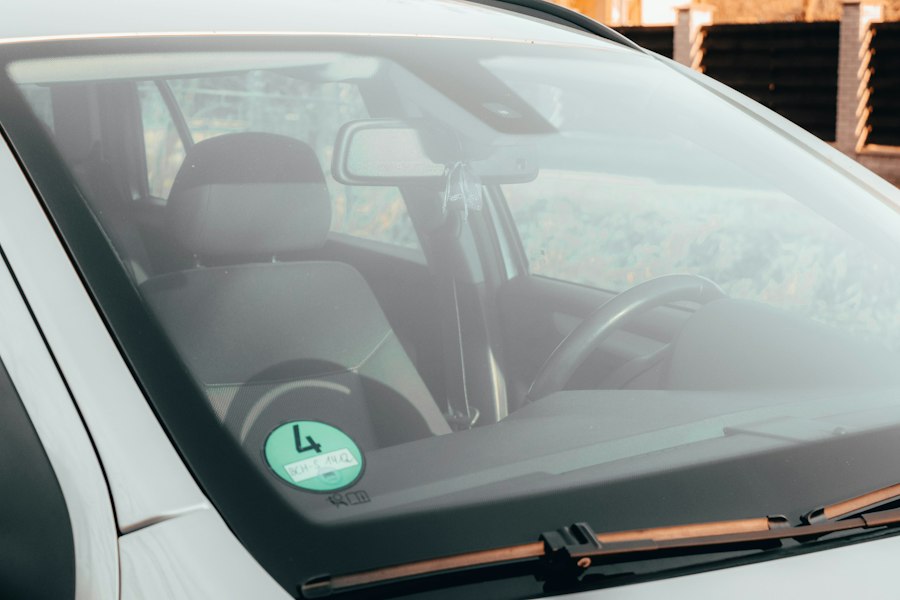
Technology isn’t just for tracking vehicles anymore; it can revolutionize how you manage glass repairs, making the process faster, more accurate, and less manual.
Fleet Management Software (FMS) Integration
Your existing FMS can become a powerful tool for managing glass repairs if it has the right capabilities or integrations.
Digital Damage Reporting and Tracking
Look for an FMS that allows drivers or technicians to report glass damage directly through a mobile app or web portal. This digital report should capture photos, location data, and detailed descriptions. This instantly creates a digital record, eliminating paper forms and delays. The system should then allow you to track the status of the repair from initial report to completion, providing real-time visibility into each vehicle’s repair journey. Integration with existing telematics data can even link damage reports to specific vehicle usage or incident data.
Automated Repair Order Generation
Once damage is reported and approved, the FMS should ideally be able to automatically generate a repair order and send it to your preferred glass repair vendor. This reduces manual data entry and minimizes the chance of errors. The system could also prompt for insurance claim initiation if required. This automation speeds up the entire process, ensuring that repairs are initiated as quickly as possible without manual intervention.
Centralized Repair History and Cost Tracking
A robust FMS provides a centralized repository for all repair history, including glass replacements and repairs. This allows you to track costs associated with glass damage over time, identify frequently damaged vehicles or routes, and analyze vendor performance. This data is invaluable for budgeting, insurance negotiations, and identifying areas for driver training or route optimization to reduce future incidents. Detailed cost tracking per vehicle provides a clear financial picture of glass-related expenses.
Communication Tools for Real-Time Updates
Effective communication is the backbone of efficient fleet operations, especially during repairs.
Dedicated Communication Channels with Vendors
Establish specific communication channels with your glass repair vendor. This could be a shared portal, a dedicated email address, or even a specific contact person for urgent matters. The goal is to ensure quick and clear communication regarding repair scheduling, status updates, and any unforeseen issues. Regular check-ins or status reports from the vendor can help you manage expectations and plan vehicle availability.
Automated Notifications for Fleet Staff
Set up automated notifications within your FMS or a separate communication platform. These notifications can alert the designated point person, fleet managers, or even drivers when a repair order is created, when the vendor has confirmed a repair slot, or when a repair is completed. This keeps everyone in the loop without constant manual follow-ups, ensuring that vehicles can be quickly returned to service once repairs are done. Alerts for upcoming ADAS calibration requirements are also critical.
Optimizing Vehicle Availability and Minimizing Downtime
The ultimate goal of simplifying glass repairs is to keep your fleet operational. Every hour a vehicle is out of service costs money.
Strategic Scheduling of Repairs
Smart scheduling can significantly reduce the impact of glass damage on your fleet’s operations.
Batching Repairs During Off-Peak Hours or Downtime
Whenever possible, group multiple minor glass repairs together, or schedule them during existing downtime (e.g., during scheduled maintenance, overnight, or on weekends). A mobile repair unit can often handle several chip repairs on different vehicles in one visit, maximizing efficiency. For replacements, coordinating with scheduled service intervals reduces the need for additional separate downtime events. This approach consolidates the impact on operations rather than having numerous single-vehicle disruptions.
Leveraging Spare Vehicles and Rotation Schedules
If you have spare vehicles in your fleet, utilize them to cover for vehicles undergoing glass repair. Implement a rotation schedule that allows vehicles to be serviced without impacting daily operations. Having a robust spare vehicle pool is a significant asset in minimizing downtime, but even without dedicated spares, strategic scheduling can help. For instance, prioritizing repairs on vehicles that are less critical for daily operations during peak periods.
Proactive Measures to Prevent Glass Damage
The best repair is the one you don’t have to make. While some damage is unavoidable, many incidents can be prevented.
Driver Training on Safe Driving Practices
Educate drivers on practices that can reduce the risk of glass damage. This includes maintaining a safe following distance to avoid stone chips from other vehicles, especially on highways or construction zones. Training should also cover avoiding harsh braking or acceleration that can stress already damaged glass. Emphasize the importance of reporting even minor damage immediately, as prompt repair of a chip can prevent a full windshield replacement. Reinforce defensive driving techniques that reduce collision risk, which often involves glass damage.
Installation of Protective Films or Treatments
For certain types of vehicles or routes, consider investing in protective windshield films. These specialized films can absorb impacts from small stones, preventing chips and cracks. While an upfront cost, they can significantly extend the life of a windshield and reduce replacement frequency, especially for vehicles operating in high-risk environments like construction sites or gravel roads. Discuss the pros and cons, including optical clarity and longevity, with a reputable installer.
Assessing High-Risk Routes and Operations
Analyze your fleet’s operational data to identify routes or types of operations that are particularly prone to glass damage. For example, vehicles frequently traveling on unpaved roads, through construction zones, or in areas with harsh weather conditions might experience more frequent damage. Once identified, consider implementing additional protective measures for these vehicles, adjusting routes where feasible, or increasing the frequency of glass inspections for vehicles assigned to these high-risk duties. This data-driven approach helps target preventative efforts effectively.
Ensuring Compliance and Safety Standards
| Metric | Description | Benefit for Fleet Managers | Example Data |
|---|---|---|---|
| Average Repair Time | Time taken to complete an auto glass repair per vehicle | Helps schedule repairs efficiently to minimize downtime | 2-4 hours per vehicle |
| Number of Vehicles Serviced | Total vehicles repaired in a given period | Tracks repair volume and resource allocation | 50 vehicles/month |
| Cost per Repair | Average expense incurred for each auto glass repair | Assists in budgeting and cost control | Varies by damage severity |
| Fleet Coverage Rate | Percentage of fleet vehicles covered under repair agreements | Ensures all vehicles have access to timely repairs | 85% |
| Repair Quality Score | Rating based on post-repair inspections and customer feedback | Maintains high standards and reduces repeat repairs | 4.8/5 average rating |
| Mobile Repair Utilization | Percentage of repairs completed via mobile service units | Reduces vehicle downtime and increases convenience | 60% |
| Claim Processing Time | Average time to process insurance claims related to repairs | Speeds up reimbursement and repair scheduling | 3-5 business days |
| Preventive Maintenance Scheduling | Frequency of scheduled inspections to prevent glass damage | Reduces unexpected repairs and extends vehicle life | Quarterly inspections |
Beyond the practicalities of repair, fleet managers must also consider the regulatory and safety aspects of auto glass.
Adhering to Safety Regulations
Vehicle glass is a critical safety component. Ensuring it meets all regulatory standards is non-negotiable.
Maintaining Proper Visibility Standards
Cracked or heavily chipped windshields can impair driver visibility, leading to safety hazards and potential regulatory violations. Establish clear internal policies regarding the maximum allowable damage before a repair or replacement is mandated. These policies should align with local and national transportation safety regulations. For example, many jurisdictions have specific rules about the size and location of cracks that prohibit vehicle operation. Regular inspections help enforce these visibility standards.
Ensuring Structural Integrity of the Vehicle
The windshield is an integral part of a vehicle’s structural integrity, especially in the event of a rollover or airbag deployment. A properly installed windshield prevents the roof from crushing inwards and provides a stable backstop for the passenger-side airbag. Use only reputable repair providers who adhere to manufacturer specifications and industry best practices for installation, including using appropriate adhesives and curing times. Incorrect installation can compromise vehicle safety significantly.
ADAS Calibration and Legal Compliance
As mentioned, ADAS technology adds another layer of complexity and responsibility to glass repairs.
Understanding OEM Requirements for ADAS Calibration
Each vehicle manufacturer has specific requirements and procedures for ADAS calibration after a windshield replacement. Your chosen glass repair vendor must be fully aware of and equipped to follow these OEM (Original Equipment Manufacturer) specifications. This includes having the correct diagnostic tools, targets, and trained technicians. Do not assume all vendors are equally capable; inquire specifically about their OEM-specific ADAS calibration protocols for your fleet’s vehicle makes and models.
Documenting All Calibrations for Compliance
Maintain detailed records of every ADAS calibration performed. This documentation should include the date of calibration, the technician who performed it, the equipment used, and confirmation that the calibration was successful. This record is crucial for legal compliance, insurance purposes, and demonstrating due diligence in the event of an accident where ADAS performance is questioned. These records should be stored within your FMS or a readily accessible digital archive.
Environmental Considerations for Glass Disposal
While not directly about simplifying the repair process, responsible disposal of damaged glass is an important aspect of fleet management.
Partnering with Eco-Friendly Disposal Services
Vehicle glass is largely recyclable. Partner with a glass repair vendor or a separate service that ensures damaged auto glass is recycled responsibly, diverting it from landfills. Inquire about their disposal practices and commitments to environmental sustainability. Many specialized recycling facilities can process laminated and tempered auto glass into new products, such as fiberglass insulation or construction materials.
Reducing Waste Through Repair-First Policies
Emphasize a “repair-first” policy whenever possible. Repairing a chip uses significantly fewer resources and generates less waste than a full windshield replacement. This not only saves money but also aligns with environmental responsibility goals. Educate drivers and technicians on the importance of early detection and repair to maximize opportunities for extending the life of original glass components.
By adopting these friendly, practical, and conversational strategies, fleet managers can transform the often-frustrating task of managing auto glass repairs into a streamlined, efficient, and cost-effective process. It’s about being prepared, choosing the right partners, using smart tools, and prioritizing safety and operational continuity.