
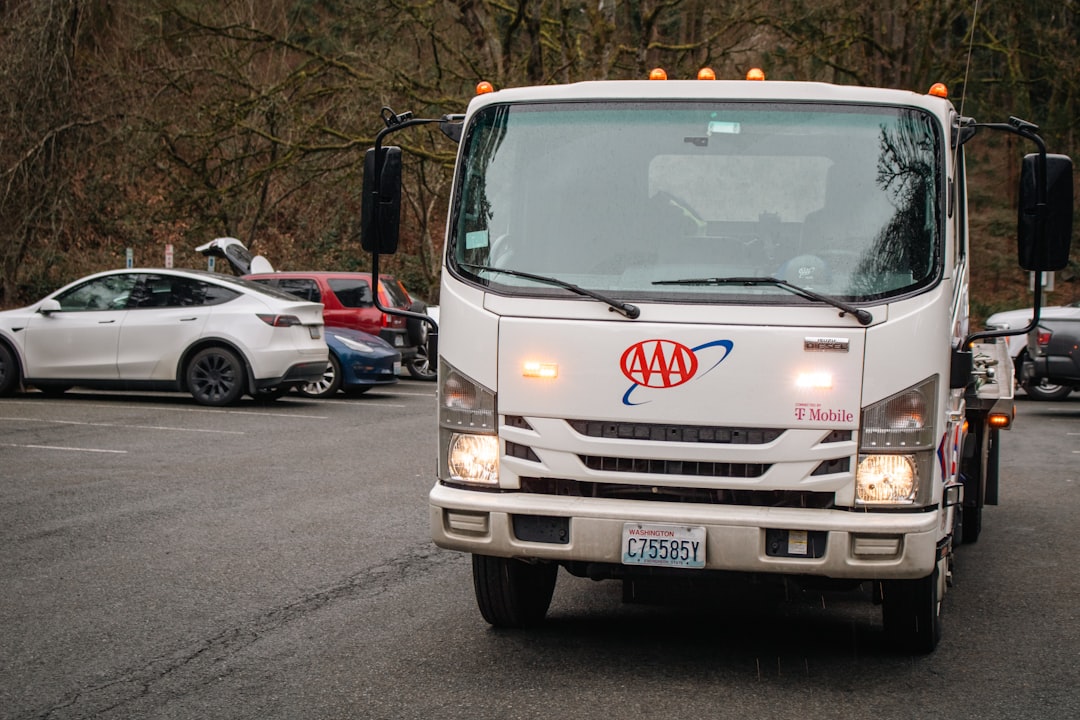

Ever wondered how a fleet of vehicles, spread across states or even the whole country, gets their windshields replaced quickly and efficiently? It’s not as simple as calling your local auto glass shop. Nationwide fleet windshield replacement is a specialized service designed to keep businesses running smoothly by getting their vehicles back on the road fast. Essentially, it involves a centralized system that coordinates mobile glass technicians to service vehicles wherever they are, minimizing downtime and administrative headaches for the fleet manager.
When you’re managing a fleet, whether it’s a dozen delivery vans or hundreds of long-haul trucks, windshield damage isn’t just an inconvenience; it’s a business disruption. A cracked windshield can mean a vehicle is out of service, leading to missed deliveries, lost revenue, and safety concerns.
The Cost of Downtime
Every hour a vehicle sits idle because of a damaged windshield costs your business money. This isn’t just the repair cost itself, but the ripple effect of lost productivity, potential penalties for late deliveries, and the impact on customer satisfaction. Fleet managers are constantly looking for ways to minimize this downtime.
Safety and Compliance
A damaged windshield can severely impair a driver’s visibility, increasing the risk of accidents. Beyond the safety aspect, there are legal requirements. Many states have regulations regarding the severity of windshield damage allowed for a vehicle to be legally operated. Keeping your fleet compliant is crucial to avoid fines and ensure driver safety.
Variety of Vehicle Types
Fleets aren’t monolithic. You might have sedans, light-duty trucks, heavy-duty trucks, vans, buses, or even specialized construction vehicles. Each of these can have different windshield types, sizes, and installation procedures, which a nationwide service needs to be equipped to handle.
The Nationwide Fleet Windshield Replacement Process
So, how does a large-scale operation like this actually work? It’s all about efficient coordination and leveraging a network of qualified technicians.
Initial Contact and Information Gathering
The process usually begins with a fleet manager contacting a nationwide auto glass provider. This isn’t a one-off call for a single vehicle; it’s often an ongoing relationship established through a service agreement.
Providing Vehicle Details
When a repair is needed, the fleet manager will provide key information:
- Vehicle Identification Number (VIN): This is critical for identifying the exact make, model, and year of the vehicle, ensuring the correct glass part is ordered.
- Location of the Vehicle: Crucial for dispatching the nearest available technician. This could be a depot, a driver’s home, or even a roadside breakdown.
- Type of Damage: Is it a small chip that can be repaired, or a full-blown crack requiring replacement?
- Preferred Service Time: While emergencies happen, scheduling flexibility is often appreciated.
Account Setup and Pricing
For ongoing clients, pricing and service level agreements are usually pre-negotiated. This eliminates the need for individual quotes for each repair, streamlining the process considerably. New clients will typically go through an initial setup phase to establish these parameters.
Dispatching and Logistics
Once the information is gathered, the real logistical magic begins. The nationwide provider uses a sophisticated system to match the repair request with the nearest qualified technician.
Network of Technicians
Nationwide providers don’t typically employ thousands of technicians directly across every state. Instead, they operate through a vast network of certified, independent auto glass shops and mobile technicians. These partners are vetted for quality, insurance, and expertise.
Routing and Scheduling
Advanced dispatching software plays a crucial role. It takes into account technician availability, vehicle location, traffic conditions, and the urgency of the repair to efficiently route technicians. The goal is to minimize travel time for the technician and downtime for the fleet vehicle.
Part Procurement
Simultaneously, the correct windshield is ordered. This might come from a central warehouse, a regional distributor, or directly from the partnered auto glass shop’s inventory. The VIN is paramount here to avoid ordering the wrong part, which would cause significant delays.
On-Site Service Execution
The beauty of fleet windshield replacement is its mobile nature. Most repairs and replacements happen wherever the vehicle is located, whether it’s a company lot, a job site, or even a driver’s residence.
Mobile Unit Arrival
A fully equipped mobile auto glass unit arrives at the specified location. These vans are essentially workshops on wheels, containing all the necessary tools, adhesives, and often a selection of common glass parts.
Pre-Installation Inspection
Before starting work, the technician will typically perform a quick inspection of the vehicle and the damaged windshield. This is to confirm the initial assessment, check for any additional damage, and ensure the vehicle is in a suitable state for the repair.
Removal of Damaged Glass
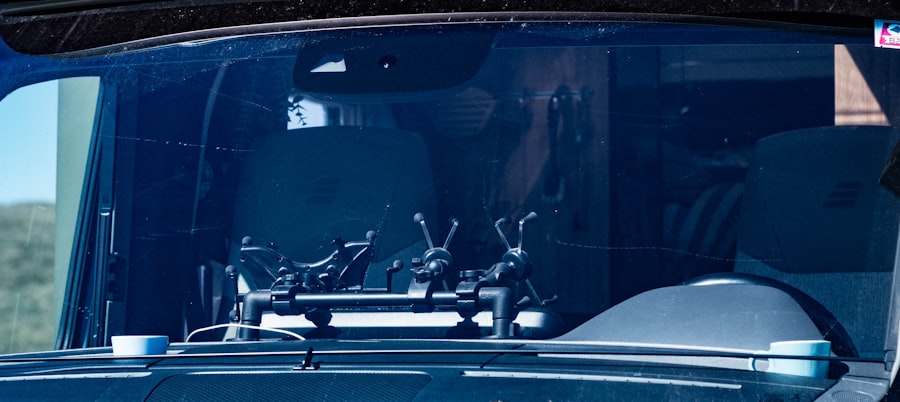
The technician carefully removes the old, damaged windshield. This involves cutting through the adhesive (urethane) that holds the windshield in place and safely removing the glass. Proper tools and techniques are essential to avoid damaging the vehicle’s paintwork or interior.
Frame Preparation
Once the old glass is out, the vehicle’s frame (the pinchweld) is meticulously prepared. This involves removing any old adhesive residue, cleaning the surface, and often applying a primer. This step is critical for ensuring a strong, watertight seal for the new windshield.
New Windshield Installation
The new windshield is then carefully lifted and positioned into the frame. A fresh bead of high-quality automotive-grade urethane adhesive is applied to the windshield or the pinchweld. The technician then presses the windshield firmly into place, ensuring it is correctly aligned and sealed.
Post-Installation Checks and Curing Time
After installation, the technician will perform a final check to ensure the windshield is properly seated and there are no leaks. They will also advise the driver or fleet manager on the “safe drive away time” (SDAT). This is the minimum time required for the adhesive to cure enough to safely drive the vehicle, preventing the windshield from shifting during movement or in the event of an accident. This time can vary depending on the adhesive used and environmental conditions, but it’s typically an hour or two.
Billing and Reporting
Managing costs and keeping track of repairs across a large fleet can be complex. Nationwide providers offer streamlined billing and detailed reporting to simplify this for fleet managers.
Centralized Invoicing
Instead of receiving separate invoices from dozens of different local shops, fleet managers get a single, consolidated invoice from the nationwide provider. This significantly reduces administrative burden and simplifies expense tracking.
Customized Billing Cycles
Invoices can often be tailored to the fleet’s needs, whether it’s weekly, bi-weekly, or monthly, and can include detailed breakdowns per vehicle, date of service, and type of repair.
Detailed Service Reports
Beyond just billing, comprehensive reporting is a key benefit. These reports offer valuable insights into fleet maintenance trends.
Repair History by Vehicle
Fleet managers can access detailed histories for each vehicle in their fleet, showing when windshields were replaced, the type of damage, and the cost. This helps identify recurring issues or problematic vehicles.
Cost Analysis
Reports can break down costs by vehicle type, location, or even driver, allowing fleet managers to analyze spending patterns and identify areas for potential optimization.
Compliance Documentation
These reports also serve as documentation for compliance purposes, proving that vehicles are being maintained to safety standards.
Key Benefits for Fleet Managers
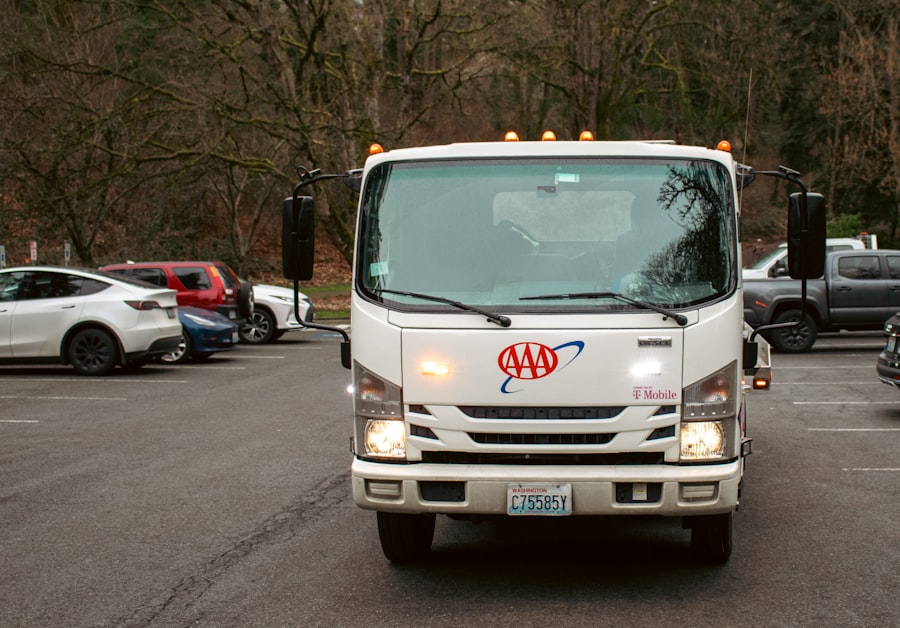
Why choose a nationwide service over managing local shops yourself? The advantages are significant and often translate directly to cost savings and improved efficiency.
Reduced Downtime and Increased Productivity
This is arguably the biggest benefit. By providing rapid, mobile service anywhere, nationwide providers get vehicles back on the road faster.
Expedited Scheduling
Centralized systems allow for quicker scheduling and dispatching compared to calling multiple local shops, finding availability, and explaining your fleet’s specific needs each time.
Consistent Service Levels
With a vetted network and standardized procedures, you can expect the same high quality of service and consistent adhesive standards, regardless of where the repair takes place.
Streamlined Administration
Managing invoices, coordinating repairs, and tracking maintenance for a large fleet can be a full-time job. Nationwide services simplify this considerably.
Single Point of Contact
Instead of dealing with numerous vendors, you have one primary contact for all your auto glass needs, simplifying communication and problem-solving.
Automated Processes
Many providers offer online portals where fleet managers can submit service requests, track repair status, and access reports, further automating the process.
Cost Control and Transparency
While it might seem like a premium service, nationwide fleet replacement often leads to better cost control in the long run.
Negotiated Rates
Fleet agreements typically include pre-negotiated, competitive pricing for parts and labor, eliminating price surprises.
Warranty and Quality Assurance
Reputable nationwide providers offer warranties on their work and the installed glass, providing peace of mind and protecting your investment. They stand behind the quality of their network.
Choosing the Right Nationwide Provider
| Steps | Details |
|---|---|
| Contact Nationwide | Call or go online to schedule a windshield replacement |
| Assessment | A technician will assess the damage and determine if a replacement is necessary |
| Insurance Claim | If covered by insurance, Nationwide will handle the claim process |
| Replacement | A certified technician will replace the windshield at a convenient location |
| Quality Check | The replacement will be inspected to ensure it meets safety standards |
Not all nationwide providers are created equal. It’s important to choose one that aligns with your fleet’s specific needs and priorities.
Network Coverage and Responsiveness
Evaluate their actual geographic coverage. Do they truly have technicians in all the areas your fleet operates? How quickly can they typically dispatch a technician to a remote location versus a major city? Look for providers with strong response times.
Reputation and Experience
Check reviews, ask for references, and look into their track record with other fleets. Experience with your specific type of vehicles (e.g., heavy-duty trucks if you run a trucking company) can be a significant advantage.
Technology and Reporting Capabilities
A provider with robust technological infrastructure (online portals, advanced dispatching, comprehensive reporting) will make your life much easier. Ask for demos of their systems.
Customer Service and Account Management
You’ll be forming a long-term partnership. How accessible and responsive is their customer service? Do they offer dedicated account managers who understand your fleet’s unique requirements?
In essence, nationwide fleet windshield replacement is a critical service for any business operating a significant number of vehicles. It’s about more than just fixing a windshield; it’s about minimizing downtime, ensuring safety, controlling costs, and simplifying the complex logistics of fleet maintenance. By understanding how the process works and what to look for in a provider, fleet managers can make informed decisions that keep their operations running smoothly and efficiently.