


Maintaining a clear windshield is not just about aesthetics; it’s a fundamental aspect of safe driving. As a car owner, I’ve learned that neglecting this simple yet crucial element can have significant consequences, impacting everything from visibility during adverse weather to the longevity of my vehicle’s components. Dealerships, with their specialized knowledge and access to quality parts, offer valuable insights and services that can help me keep my windshield in optimal condition.
It’s easy to overlook the wipers and the glass itself. They’re just there, performing their duty. But that passive approach comes at a cost, and often, I don’t realize the extent of the damage until it’s too late. The elements, and my own habits, are constantly at work, subtly degrading the performance of my windshield and wipers.
The Accumulation of Grime
Every drive, no matter how short, exposes my windshield to a barrage of contaminants. Dust, road salt, tree sap, bird droppings, and bug splatters all contribute to a film that, over time, can significantly obscure my vision. This isn’t just about making the view less pleasant; it’s about creating a uniform layer that distorts light and makes it harder to perceive hazards.
Microscopic Scratches: A Gradual Erosion
One of the most insidious forms of damage is the slow, steady accumulation of microscopic scratches. These are rarely noticeable individually, but collectively, they create a hazy effect. This haze can scatter light, especially at night, leading to glare from headlights and streetlamps. I’ve experienced this firsthand, finding myself squinting more than usual on evening drives. These micro-scratches, as the facts indicate, can be a surprisingly common reason for windshield replacements, contributing to a significant percentage of them. It’s a testament to how seemingly minor abrasions can compound into a major issue.
The Impact on Wiper Effectiveness
These accumulated contaminants don’t just affect the glass; they directly impact the performance of my wiper blades. The rubber blades are designed to sweep away water and debris smoothly. However, when the glass surface is rough or coated with stubborn grime, the blades are forced to work harder. This friction can accelerate wear and tear on the rubber, leading to skipping, streaking, and ultimately, reduced effectiveness in clearing the windshield.
Proactive Care: Simple Steps for Maximum Impact
Many drivers, myself included, tend to fall into a reactive maintenance cycle. We address problems when they become severe, rather than implementing proactive measures that prevent them from developing in the first place. Dealerships emphasize that a little prevention goes a long way in preserving the integrity of my windshield and wiper system.
The Monthly Wiper Blade Cleaning Protocol
I was surprised to learn how many drivers skip a basic maintenance step that significantly extends wiper blade life. The recommended monthly cleaning protocol is straightforward and remarkably effective.
The Power of Isopropyl Alcohol
The process involves lifting the wiper blades away from the windshield. Then, using a microfiber cloth dampened with a 70% isopropyl alcohol solution, I pinch and wipe the entire length of each rubber blade. Repeating this 3-4 times until the blade is visibly clean helps remove buildup that causes streaking and reduces friction. This simple act, often overlooked, can increase the lifespan of my wiper blades by a staggering 50-70%. It’s a stark reminder that neglecting even the most basic care can lead to premature replacement and reduced functionality. This method works even without relying solely on washer fluid, highlighting its fundamental impact.
Why This Works: Removing Grime and Restoring Flexibility
The isopropyl alcohol acts as a solvent, breaking down the oily residue and grime that accumulate on the wiper blades from road spray and environmental contaminants. This cleaning process not only removes the debris that causes streaking but also helps to restore some of the pliability to the rubber. Hardened, cracked rubber is less effective at creating a seal against the glass, leading to water and streaks being left behind.
Preventive Parking Strategies
Where I park my car has a more profound effect on my windshield and wipers than I ever imagined. Dealership maintenance routines often include advice on parking, and these tips are crucial for minimizing wear and tear.
The Benefits of Covered Parking
Whenever possible, parking in a covered spot or a garage offers substantial protection. This shields the windshield and wipers from direct sunlight, which can bake the rubber blades, making them brittle and prone to cracking. It also protects them from the elements, such as rain, snow, and ice. This protection can extend the life of my wiper blades by an impressive 50-100%, a significant return on investment for simply choosing a shaded spot.
Utilizing Sun Shades
If covered parking isn’t an option, using a sun shade is a viable alternative. Placing a sun shade on the inside of the windshield when parked can significantly reduce the heat absorbed by the glass and, consequently, by the wiper blades resting against it. This, combined with the reduction in UV exposure, contributes to the longevity of the rubber. It’s a small effort that yields considerable benefits in preventing premature degradation.
Minimizing Micro-Scratches Through Parking
Beyond direct environmental exposure, parking habits can also contribute to micro-scratches. Harsh cleaning methods or even the accumulation of fine dust particles can cause damage over time. Parking in cleaner environments, away from construction sites or dusty areas, can further help in maintaining a pristine windshield surface and minimizing the abrasive forces that lead to these tiny imperfections.
The Importance of Regular Windshield Inspections

My car’s windshield is more than just a window; it’s a critical safety component. Just like I wouldn’t ignore a strange noise from my engine, I shouldn’t ignore the state of my windshield. Dealerships, particularly those managing fleet vehicles, understand the necessity of regular, scheduled inspections.
The 3-6 Month Fleet Auto Glass Schedule
The practice of inspecting fleet vehicle auto glass every 3-6 months is a benchmark I can apply to my own vehicle. This regular cadence ensures that any nascent issues are identified and addressed before they escalate.
Identifying Early Signs of Damage
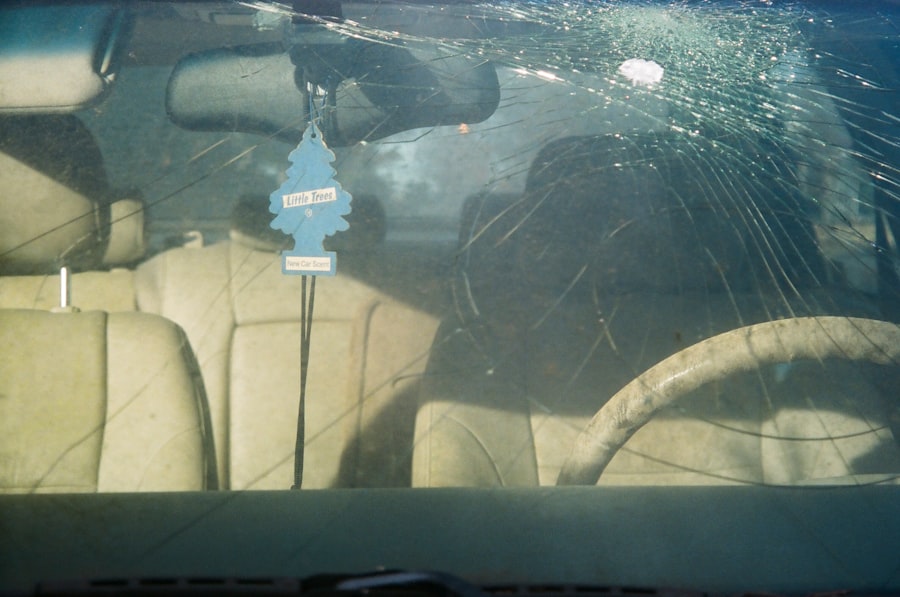
During these inspections, technicians look for small chips, cracks, and signs of wiper wear. Addressing a small chip promptly with a professional repair can prevent it from spreading into a larger, more costly crack that necessitates a full windshield replacement. Similarly, worn wiper blades can be identified and replaced before they start to damage the glass surface through their ineffective sweeping.
Cleaning and Sealing for Longevity
Regular cleaning is a vital part of this inspection process. Beyond removing surface grime, it allows for a thorough examination of the glass. Importantly, dealers also perform sealing where necessary. This can help prevent water ingress into the windshield layers, which can lead to further damage, especially in freezing conditions.
Training Staff on Early Damage Detection
The concept of training staff on early damage signs within a fleet setting is a valuable insight. It underscores the importance of vigilance. For a personal vehicle owner, this translates to being aware of what to look for myself. Understanding common types of damage, such as pitting, hairline cracks, or uneven wiper marks, empowers me to report them to my service advisor at the dealership promptly.
Understanding Replacement Cycles and Modern Technologies
The advice on when to replace wiper blades and windshields is becoming more nuanced with the evolution of automotive technology. Dealerships are at the forefront of this information, ensuring drivers are equipped with the latest recommendations.
The 6-12 Month Wiper Replacement Guideline
The general recommendation for replacing wiper blades is every 6-12 months. This timeframe is a sensible average, but my driving conditions and the quality of the blades can influence this. If I live in an area with harsh winters or frequently drive on dusty roads, I might find myself needing replacements closer to the 6-month mark.
Checking Lights Monthly: A Critical Safety Habit
This replacement guideline is often paired with the advice to check my car’s lights monthly. This habit is crucial for overall visibility, especially when my wipers are in use. Clear tail lights, brake lights, and headlights ensure that other drivers can see me, and I can see them, particularly in rain or fog when windshield clarity is paramount.
The Impact of LED Technology
It’s interesting to note how new vehicle technologies are influencing these cycles. The mention of LEDs lasting longer in new models is a pertinent observation. While this primarily relates to vehicle lighting, it hints at a broader trend of more durable components in modern cars. This might, in the future, influence the lifespan expectations of other automotive parts, though for now, the 6-12 month rule for wipers remains a solid guideline.
The 2026 Outlook: Connectivity and Calibration
The automotive landscape is rapidly changing, and by 2026, the integration of connected car technology will likely have an even greater impact on maintenance schedules.
ADAS and Windshield Calibration
One significant development to be aware of, particularly for newer vehicles, concerns Advanced Driver-Assistance Systems (ADAS). Modern cars often have cameras and sensors mounted on the windshield for features like lane keeping assist and adaptive cruise control. Any work done on the windshield, such as a replacement, necessitates recalibrating these systems. This ensures that the ADAS functions accurately interpret the road ahead. Similarly, after a vehicle alignment, it’s crucial to consider recalibrating ADAS as well, as wheel angles can impact sensor readings. This highlights that windshield maintenance is becoming increasingly tied to the vehicle’s overall electronic systems.
The Dealer’s Role in Modern Maintenance
Dealerships are equipped to handle these complex calibrations. Their technicians receive specialized training on the intricate systems of new vehicles. For me, this means that when it’s time for a windshield repair or replacement, I need to ensure the dealership I choose is capable of performing the necessary ADAS calibration. This integrated approach to maintenance is essential for maintaining the full functionality and safety of my modern vehicle.
Winter Windshield Preparedness: A Seasonal Necessity
| Windshield Maintenance Metrics | 2019 | 2020 | 2021 |
|---|---|---|---|
| Number of Windshield Replacements | 150 | 175 | 200 |
| Number of Windshield Repairs | 300 | 325 | 350 |
| Customer Satisfaction Rate | 85% | 88% | 90% |
As temperatures drop and precipitation becomes more frequent, my windshield’s readiness for winter conditions becomes a critical concern. Dealerships offer specific advice for this time of year, emphasizing that basic preparedness can prevent significant headaches.
The Role of Freeze-Resistant Washer Fluid
One of the most immediate winter concerns is ensuring my washer fluid reservoir is adequately filled with a freeze-resistant solution. Standard washer fluid can freeze in cold temperatures, rendering it useless and potentially causing damage to the system.
Maintaining Visibility in Snow and Ice
During snowfall or icy conditions, clear visibility is non-negotiable. Without effective washer fluid to clear away slush and road spray, and properly functioning wipers to spread that fluid, my ability to see the road ahead is severely compromised. This is why ensuring the wiper blades are in good condition for snow and ice is as important as having the right fluid.
Beyond Washer Fluid: A Holistic Approach
The mention of winter windshield prep as part of broader fluid checks is a useful reminder. It’s not just about the washer fluid itself, but the entire system. This includes ensuring the wiper mechanism isn’t frozen and that the blades themselves retain enough suppleness to make contact with the glass, even in frigid temperatures.
Dealership Maintenance: Following the Schedule and Using Quality Products
The dealership is often the most reliable source of information and service for maintaining my vehicle. Their adherence to manufacturer recommendations and their use of quality products are key to long-term vehicle health, including the windshield.
Adhering to Recommended Service Intervals
Dealerships operate on a structured maintenance schedule, often based on mileage or time intervals. For example, the 30/60/90-mile service rules are common. Beyond these, time-based schedules, like the recommendation for wiper replacements every six months, are also critical. Following these dealer-recommended schedules is a proactive way to ensure all components are functioning correctly.
Time-Based Maintenance for Wearable Parts
Wipers are a prime example of a wearable part. Their lifespan is not solely determined by mileage, but also by environmental factors and usage. Therefore, a time-based guideline for replacement, often cited by dealerships, is crucial. Even if my wipers appear to be working, they might be degrading at a microscopic level, impacting their effectiveness and potentially the windshield surface itself.
The Importance of Using Quality Products
When it comes to refills and replacement parts, the dealership’s recommendation to use products like PEAK for refills is a testament to their commitment to quality. Using reputable brands ensures that the fluids and parts meet the manufacturer’s specifications. This is not only important for performance but also for maintaining the vehicle’s warranty. Using generic or incompatible products can sometimes void warranty coverage, making the initial cost of dealership-recommended products a worthwhile investment in the long run. My dealership’s expertise and the quality of products they recommend are essential for keeping my windshield clear and my car safe.
FAQs
What is dealership windshield maintenance?
Dealership windshield maintenance refers to the regular inspection, cleaning, and repair of a vehicle’s windshield by authorized dealership service centers. This includes checking for chips, cracks, and other damage, as well as ensuring the windshield wipers and washer fluid system are functioning properly.
Why is dealership windshield maintenance important?
Regular maintenance of the windshield is important for ensuring the safety and visibility of the driver and passengers. A well-maintained windshield can also prevent further damage and costly repairs in the future.
How often should dealership windshield maintenance be performed?
It is recommended to have dealership windshield maintenance performed at least every 6 months or as recommended by the vehicle manufacturer. However, more frequent inspections may be necessary if the vehicle is frequently exposed to harsh weather conditions or debris.
What are the common services included in dealership windshield maintenance?
Common services included in dealership windshield maintenance may include windshield cleaning, inspection for chips and cracks, repair or replacement of damaged glass, checking and replacing windshield wipers, and ensuring the washer fluid system is functioning properly.
Can dealership windshield maintenance help prevent windshield damage?
Yes, regular dealership windshield maintenance can help prevent windshield damage by identifying and addressing minor issues before they escalate into larger problems. Additionally, proper maintenance can help extend the lifespan of the windshield and ensure optimal visibility while driving.