

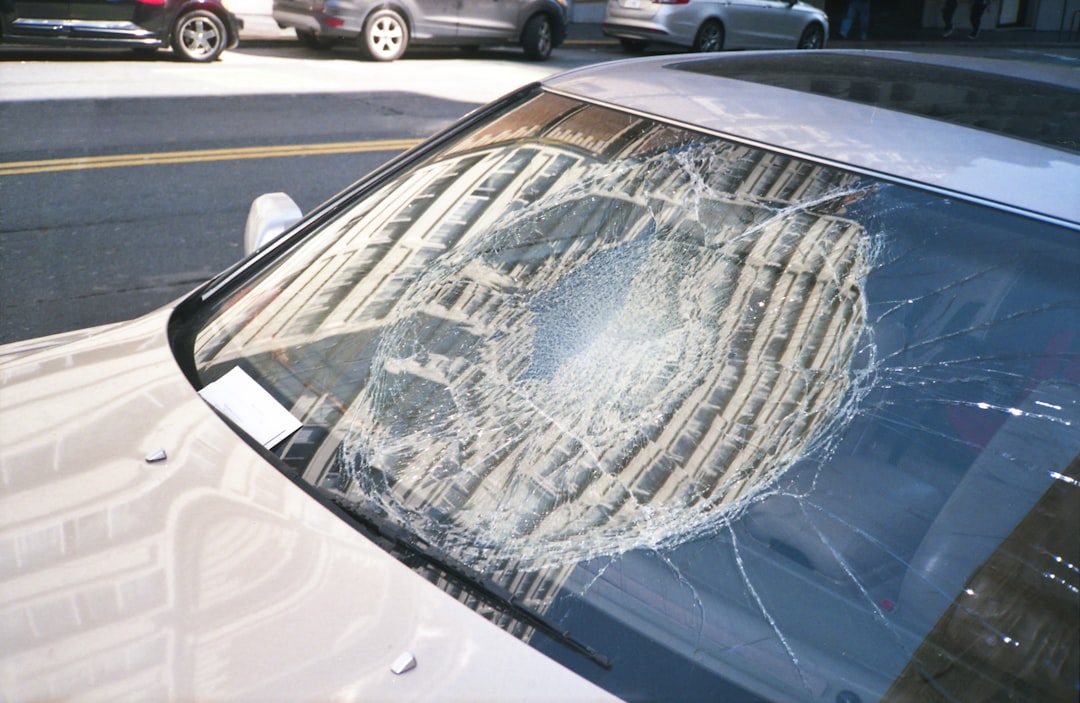

The integrity of your vehicle’s windshield is paramount, not just for visibility but also for its structural soundness and your overall peace of mind. When I consider my own car, I recognize that its windshield is akin to the eyes of a living being; it’s my primary sensory organ for navigating the world, and its clarity and strength are non-negotiable. The constant barrage of road debris, from tiny pebbles to larger fragments, poses a persistent threat, and the potential for impact is a reality of driving. This is where dealership windshield insurance emerges as a crucial layer of protection for your automotive investment.
My windshield is the first line of defense against the elements and the myriad hazards on our roads. It’s a sophisticated piece of engineering, designed to withstand significant forces. However, it is not invincible. The constant exposure to varying temperatures, vibrations from the road, and, most importantly, the impact of airborne debris can lead to degradation and damage.
The Nature of Road Debris
When I drive, I am acutely aware that the road is not a sterile environment. It’s a dynamic surface populated by other vehicles, construction zones, and varying weather conditions, all of which contribute to the presence of debris.
Rocks and Gravel
The most common culprits are small stones and gravel kicked up by the tires of preceding vehicles. These seemingly innocuous projectiles can accelerate with considerable force, striking the windshield at high speeds.
Metal Shards and Other Projectiles
Beyond natural elements, I also contend with larger, more dangerous items that can find their way onto the roadway. This can include metal fragments from machinery, broken glass from other accidents, and even larger pieces of discarded material.
Environmental Factors and Their Impact
It’s not just objects directly hitting my windshield that pose a threat. The environment itself plays a significant role in the windshield’s longevity.
Thermal Shock
The dramatic shifts in temperature, especially between extreme heat and cold, can create stress within the glass. When a cold windshield is suddenly exposed to hot air, or vice versa, the glass expands or contracts unevenly, creating microscopic fractures that can propagate over time.
Vibrations and Stress
The cumulative effect of constant vibrations from the road surface, coupled with the forces exerted during acceleration, braking, and cornering, can also weaken the windshield’s structure. It’s like repeatedly bending a piece of metal; eventually, it will fatigue and break.
The Costly Reality of Windshield Damage
When damage does occur, the financial implications can be substantial. Ignoring minor chips and cracks is a gamble, as they can quickly escalate into more severe problems, necessitating a full replacement.
Minor Damage: The Slippery Slope
A small chip might seem insignificant, but it represents a point of weakness. The stresses encountered during normal driving can cause this tiny imperfection to spread.
Chip Propagation
The initial impact creates a localized weakness. When I drive over bumps, hit potholes, or even just experience temperature fluctuations, the stress on this weakened area increases, causing the crack to grow.
Icicle Effect in Cold Climates
In colder regions, moisture can seep into even the smallest fissures. When temperatures drop, this water freezes and expands, exerting outward pressure on the glass, exacerbating the existing damage.
Full Windshield Replacement: A Significant Expense
Replacing an entire windshield is not a trivial expense. The cost of the glass itself, combined with the labor involved in installation and recalibrating any associated sensors, can add up swiftly.
The Price of Advanced Technology
Modern vehicles are equipped with sophisticated sensor systems, including rain sensors, light sensors, and cameras for advanced driver-assistance systems (ADAS), which are often integrated into or near the windshield. Their recalibration after replacement is a critical step that adds to the overall cost.
OEM vs. Aftermarket Glass
The choice between Original Equipment Manufacturer (OEM) glass and aftermarket alternatives can also influence the price. While aftermarket glass may be cheaper, it may not always meet the same stringent specifications for clarity, durability, and integration with vehicle systems.
Dealership Windshield Insurance: A Shield for Your Investment
This is where dealership windshield insurance emerges as a proactive measure, offering a dedicated solution to mitigate the financial fallout from windshield damage. It’s a safety net designed to protect the value of my vehicle.
What is Dealership Windshield Insurance?
At its core, this type of insurance is a specialized policy offered by automotive dealerships that specifically covers the repair or replacement of your vehicle’s front windshield. It is often an add-on product purchase at the time of vehicle acquisition, though some may offer it for existing vehicles.
Coverage Scope
The key advantage of this insurance is its focused coverage. Unlike comprehensive auto insurance, which might have deductibles and broader coverage terms, dealership windshield insurance is tailored to address windshield issues directly.
Repair vs. Replacement
Policies typically cover both minor repairs, such as filling chips, and more extensive replacements. This breadth of coverage ensures that I am not forced to choose between a potentially hazardous repair and a costly replacement out of pocket.
Deductible and Limitations
A significant benefit I have observed is that many dealership policies come with zero deductibles. This means that when damage occurs, I don’t have to pay a portion of the repair or replacement cost myself. Furthermore, some policies, like the Mercedes-Benz First Class Windshield Protection, explicitly state no mileage limits, offering continuous protection regardless of how much I drive.
Benefits of Dealership-Offered Coverage
Choosing an insurance product facilitated through my dealership offers distinct advantages that extend beyond mere financial recourse.
Convenience and Authorized Service
Having a dealership-backed policy means I can typically have the service performed at the dealership itself, or sometimes at my home or business for added convenience. This streamlines the process and ensures that the work is performed by certified technicians who are familiar with my vehicle’s specifications.
Transferability and Value Retention
I have noted that some policies, such as the Mercedes-Benz First Class Windshield Protection, are transferable. This means if I sell my vehicle, the remaining coverage can be passed on to the new owner, adding value and appeal to the resale. This foresight helps maintain the overall market value of my automotive investment.
Why This Protection is Increasingly Critical
The landscape of vehicle repair costs is evolving, and windshields are becoming a focal point. The increasing complexity of vehicles and the specific demands of windshield repair and replacement are making this protection more vital than ever.
The Rise in Repair and Replacement Costs
As vehicles become more technologically advanced, so too do the components associated with them. Windshields are no exception.
Integration with ADAS
Advanced Driver-Assistance Systems (ADAS) rely heavily on sensors and cameras that are often integrated directly into the windshield. The precise calibration of these systems after a replacement is crucial for their proper functioning, adding to the overall expense. If these systems are not correctly calibrated, this can lead to malfunctions in safety features.
Manufacturer-Specific Requirements
Manufacturers often mandate the use of specific types of glass and adhesive materials to ensure safety and structural integrity. These proprietary components can be more expensive than generic alternatives. This is particularly evident in the case of recalls, such as the Ford Explorer recall for improperly applied windshields, where the issue stems from the critical nature of the installation process and the materials used.
The Threat of High Insurance Premiums and Exclusions
The escalating costs associated with vehicle repairs, including windshields, are beginning to impact the broader insurance market. I have seen warnings about certain car models being flagged as high-risk due to their repair costs or susceptibility to theft, leading to higher insurance premiums or even refusal of coverage.
Blacklisted Vehicles
A February 2026 video highlighted that a significant number of car models are now being blacklisted or categorized as high-risk by insurers. This is directly attributable to the high cost of parts and labor, particularly for specialized components like tempered or laminated glass found in advanced windshields, and the frequency of theft.
Dealership Responsibility
It is important to note that dealerships may not always explicitly warn buyers about these emerging insurance trends. This underscores the importance of understanding the specific coverage offered by dealership windshield insurance independently of general auto insurance.
Maximizing Your Investment with Proactive Measures
| Metrics | Value |
|---|---|
| Number of windshield insurance claims | 150 |
| Percentage of windshield replacements covered by insurance | 80% |
| Average cost of windshield replacement | 300 |
| Customer satisfaction rating for windshield insurance process | 4.5/5 |
Protecting my vehicle is about more than just regular maintenance; it’s about anticipating potential problems and having a plan in place to address them before they become insurmountable financial burdens. Dealership windshield insurance is a key component of this proactive approach.
The Financial Prudence of Insurance
When I consider the potential costs of a windshield replacement, which can easily run into thousands of dollars according to reports from February 10, 2026, the value of dedicated insurance becomes abundantly clear. It’s a way to avoid significant out-of-pocket expenses that could otherwise strain my budget.
Peace of Mind
Beyond the financial aspect, knowing that my windshield is protected offers a significant degree of peace of mind. The constant worry about a small chip turning into a costly repair or replacement is alleviated.
Long-Term Value Preservation
By maintaining the integrity of my windshield, I am also preserving the overall value of my vehicle. A damaged windshield can detract from a car’s appearance and can be a red flag for potential buyers if I decide to sell.
Choosing the Right Protection
When I am in the market for a new or pre-owned vehicle, I make it a point to inquire about available dealership windshield insurance plans. Understanding the specifics of the coverage is crucial.
Reviewing Policy Details
I always carefully review the policy’s terms and conditions. What is the aggregate coverage limit? Are there any exclusions? Are there mileage or age restrictions? For example, the Mercedes-Benz First Class Windshield Protection is noted for its generous aggregate coverage of up to $8,000 and no mileage limits, which indicates a robust offering.
Comparing Options
While dealership insurance is often convenient, I also consider how it stacks up against other available protection plans or modifications to my existing comprehensive insurance. However, the specialized nature and often deductible-free coverage of dealership plans make them a compelling option.
In conclusion, as a vehicle owner, I see my car not just as a mode of transportation, but as a significant investment. The windshield, often overlooked until it’s damaged, plays a critical role in both the safety and value of that investment. Dealership windshield insurance offers a focused, convenient, and financially prudent way to safeguard this vital component, allowing me to drive with greater confidence and less concern about the inevitable hazards of the road. It’s a measure of foresight that ultimately protects my wallet and my peace of mind.
FAQs
What is dealership windshield insurance?
Dealership windshield insurance is a type of insurance that covers the cost of repairing or replacing a vehicle’s windshield in the event of damage.
How does dealership windshield insurance work?
Dealership windshield insurance typically works by providing coverage for the repair or replacement of a vehicle’s windshield due to damage from road hazards, such as rocks or debris.
What does dealership windshield insurance typically cover?
Dealership windshield insurance typically covers the cost of repairing or replacing a vehicle’s windshield due to damage from road hazards. Coverage may vary depending on the specific policy and provider.
Is dealership windshield insurance worth it?
Whether dealership windshield insurance is worth it depends on individual circumstances, such as the likelihood of windshield damage and the cost of the insurance compared to potential repair or replacement costs.
How can I obtain dealership windshield insurance?
Dealership windshield insurance can typically be obtained through a dealership at the time of purchasing a vehicle, or it may be offered as an add-on option when obtaining auto insurance. It’s important to review the terms and coverage options before making a decision.