

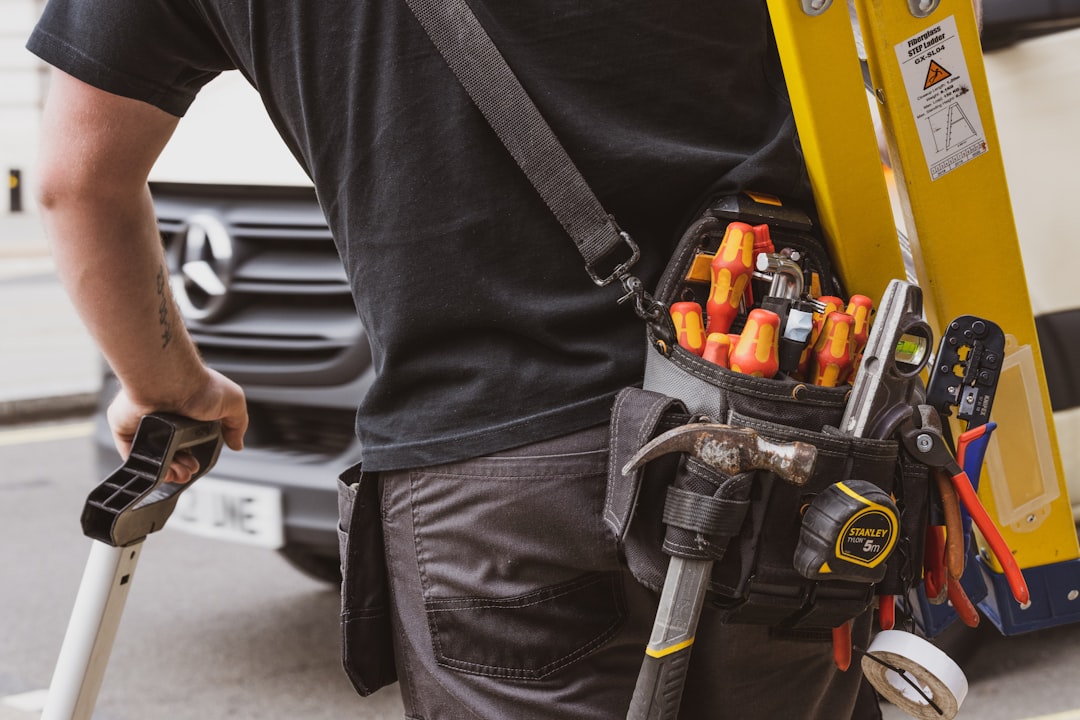

Keeping your HVAC system in tip-top shape is more than just avoiding costly breakdowns; it’s about making sure your home stays comfortable and your energy bills don’t climb unnecessarily high. So, how do you maximize efficiency with essential HVAC maintenance? The short answer is consistent, proactive care. Think of it like taking your car for regular oil changes and tire rotations – small efforts that prevent big problems down the road and ensure it runs smoothly and efficiently. This means giving your system regular attention, understanding what needs to be done, and knowing when to call in the professionals.
Before we dive into specific maintenance tasks, it’s helpful to have a basic grasp of what your HVAC system actually is. HVAC stands for Heating, Ventilation, and Air Conditioning, and it’s the central nervous system for your home’s comfort. It’s responsible for not only controlling the temperature but also for circulating air, filtering out pollutants, and managing humidity.
Heating Components: The Warm Hug
In colder months, your heating system takes center stage. This typically includes a furnace, heat pump, or boiler, along with a network of ducts that distribute the warm air.
Furnaces: Burning Brightly
Furnaces usually burn natural gas, propane, or oil to generate heat. Regular inspection of the burner assembly, ignition system, and heat exchanger is crucial for safety and efficiency. A cracked heat exchanger, for instance, can leak dangerous carbon monoxide into your home.
Heat Pumps: The Dual Whiz
Heat pumps are fascinating because they can both heat and cool. They work by transferring heat rather than generating it. This means their outdoor unit plays a significant role in both seasons, and proper airflow and refrigerant levels are key.
Boilers: The Hot Water Route
Boilers heat water, which is then circulated through radiators or baseboard heaters. Maintenance here focuses on preventing leaks, ensuring proper water pressure, and checking the operation of pumps and valves.
Ventilation and Airflow: The Breath of Fresh Air
The “V” in HVAC is vital for your health and comfort. This involves fans, ductwork, and air filters, all working together to move air throughout your home.
Ductwork: The Air Highways
Your ductwork is like the circulatory system for your home’s air. Leaky ducts can lose a significant amount of conditioned air, forcing your system to work harder and waste energy. Inspections can reveal tears, disconnections, and poor insulation.
Air Filters: The Unsung Heroes
The humble air filter is perhaps the most crucial component for regular homeowner maintenance. It traps dust, pollen, and other debris, preventing them from clogging your system and polluting your indoor air. A dirty filter dramatically reduces airflow, strains the fan motor, and diminishes heating and cooling performance.
Cooling Components: The Cool Breeze
When the mercury rises, your air conditioning system kicks in. This usually involves an outdoor condensing unit and an indoor evaporator coil.
Air Conditioners: The Refrigerant Cycle
Air conditioners use a refrigerant to absorb heat from your indoor air and release it outside. Proper refrigerant levels are essential for efficient cooling. Over time, small leaks can develop, reducing the system’s capacity and potentially damaging the compressor.
Evaporator and Condenser Coils: Where the Magic Happens
These coils are where the heat exchange takes place. The evaporator coil cools the air inside your home, while the condenser coil releases heat outside. When these coils become dirty, their ability to transfer heat is significantly hampered, leading to reduced efficiency and increased energy consumption.
The Pillars of Preventative Maintenance: What You Can Do
Regular maintenance isn’t a one-time event; it’s an ongoing commitment. Many tasks are simple enough for homeowners to handle, making a real difference in your system’s performance and longevity.
Cleaning and Replacing Air Filters: The First Line of Defense
This is the undisputed champion of DIY HVAC maintenance. A clogged air filter is like trying to breathe through a straw – it severely restricts airflow.
Frequency Matters: The Filter Schedule
How often you need to change your filter depends on the type of filter you have and your home environment.
- Disposable fiberglass filters: Typically need replacing every 1-2 months.
- Disposable pleated filters: Can last 3-6 months.
- Washable electrostatic filters: Require regular cleaning, usually every 1-2 months.
- High-efficiency filters (MERV 11-13): May need replacing every 6-12 months, but check manufacturer recommendations.
Factors like having pets, allergies, or living in a dusty area will necessitate more frequent changes. Make it a habit to check your filter monthly, even if you don’t think it needs changing.
Getting the Right Fit: Filter Types
There are various filter types, each with a different MERV (Minimum Efficiency Reporting Value) rating, which indicates its ability to capture particles. Higher MERV ratings mean better filtration but can also restrict airflow more. Consult your HVAC manual or a professional for the best MERV rating for your system and needs.
Keeping the Outdoor Unit Clear: Giving it Space to Breathe
Your air conditioner’s outdoor unit (the condenser) needs unobstructed airflow to function effectively. Debris can accumulate quickly, hindering its performance.
Clearing Debris: The Seasonal Sweep
Regularly clear away leaves, grass clippings, twigs, and other yard waste from around the outdoor unit. This usually involves a good raking and perhaps a gentle spray with a hose from the inside out (be careful not to force water into electrical components). Aim to do this at least twice a year, typically in spring and fall.
Pruning Vegetation: Room to Roam
Ensure that bushes and other vegetation are kept at least two feet away from the outdoor unit. Overgrown plants can restrict airflow and even cause damage from falling branches.
Checking Your Thermostat: The Command Center
Your thermostat is how you communicate your comfort needs to your HVAC system. Ensuring it’s functioning correctly is a simple yet crucial step.
Calibration Check: Is it Telling the Truth?
If you suspect your thermostat isn’t accurately reflecting the room’s temperature, you can perform a simple calibration check. Compare the temperature setting to a reliable thermometer placed near the thermostat. If there’s a significant discrepancy, it might need recalibrating or replacing.
Programmable and Smart Thermostats: Earning Their Keep
If you have a programmable or smart thermostat, take the time to understand its features. Properly programming it for your schedule can lead to significant energy savings. Smart thermostats learn your habits and can be controlled remotely, offering even greater convenience and efficiency.
Inspecting for Leaks and Blockages: The Obvious Signs
Your HVAC system relies on the free flow of air and refrigerant. Keeping an eye out for anything that impedes this is preventative maintenance in its purest form.
Ductwork Visual Inspection: The Sniff Test
While a professional duct sealing can be extensive, you can do a basic visual inspection yourself. Look for obvious gaps, tears, or disconnected sections in accessible areas of your ductwork. If you notice any debris accumulating around vents, it could indicate a blockage further up.
Drainage Line Check: Preventing Water Woes
Your air conditioner produces condensation, which is drained away. Check the condensate drain line for clogs, especially if you notice water pooling around the indoor unit or if your AC is not cooling effectively. A clogged drain can lead to water damage and mold growth.
The Professional Touch: When to Call the Experts
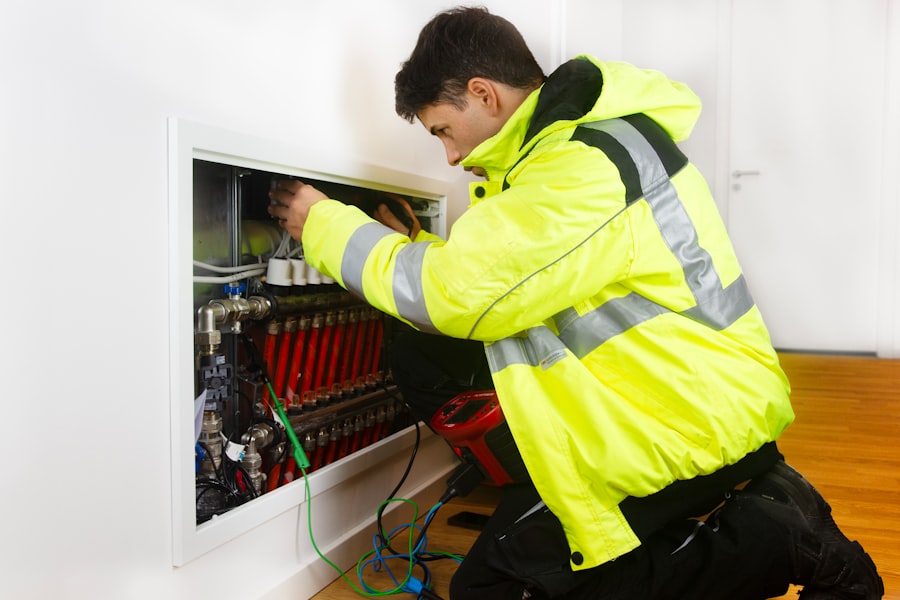
While DIY maintenance is essential, some tasks require specialized knowledge and tools. Regular professional servicing is non-negotiable for ensuring optimal performance and identifying potential issues before they become major problems.
Annual Tune-Ups: The Doctor’s Visit for Your HVAC
Think of an annual tune-up as your HVAC system’s comprehensive physical. HVAC technicians will perform a thorough inspection and cleaning of all components.
Heating System Check: Winter Readiness
Before the heating season begins, schedule a heating tune-up. This typically includes:
- Cleaning and inspecting the burners: Ensuring efficient combustion.
- Checking the heat exchanger: Looking for cracks or damage.
- Testing ignition systems and safety controls: Verifying proper operation.
- Lubricating moving parts: Reducing wear and tear.
- Checking fuel lines and connections: Ensuring no leaks.
- Measuring gas pressure and appliance temperatures: Fine-tuning for efficiency.
Cooling System Check: Summer Preparedness
Similarly, an annual air conditioning tune-up before the cooling season is vital. This typically includes:
- Cleaning and inspecting the condenser and evaporator coils: Maximizing heat transfer.
- Checking refrigerant levels and charge: Ensuring optimal cooling capacity.
- Inspecting capacitors and contactors: Key electrical components.
- Lubricating fan motors: Reducing friction and wear.
- Clearing the condensate drain line: Preventing water backups.
- Testing thermostat operation and calibration: Ensuring accurate temperature control.
Ductwork Sealing and Insulation: Maximizing Air Delivery
Leaky ductwork can be a significant energy drain. Professionals have specialized tools to detect and seal these leaks.
Identifying Leaks: The Science of Airflow
Technicians use tools like a duct blaster to pressurize your duct system and pinpoint leaks. They can also use visual inspections and even smoke pencils to detect where air is escaping.
Sealing the Gaps: Restoring Integrity
Once leaks are identified, professionals use mastic sealant or specialized tape to seal them effectively. Properly sealed ducts ensure that the conditioned air you pay for reaches your living spaces.
Insulation Matters: Preventing Condensation and Heat Loss
Insulating ductwork, particularly in unconditioned spaces like attics and crawl spaces, is crucial. This prevents condensation from forming on cold ducts in the summer and reduces heat loss in the winter, further boosting efficiency.
Refrigerant Management: The Lifeblood of Cooling
Refrigerant is essential for your air conditioner to work. Ensuring it’s at the correct levels and free from contaminants is a job for trained professionals.
Checking and Adding Refrigerant: Precision is Key
Over time, small refrigerant leaks can occur. A technician will check the system’s pressure and temperature to determine if the refrigerant charge is correct. If it’s low, they will identify and repair the leak before adding the appropriate type and amount of refrigerant. Overcharging or undercharging can severely impact efficiency and damage the compressor.
Refrigerant Type: Compliance and Efficiency
Different HVAC systems use different types of refrigerants, and regulations regarding these are evolving. Technicians will ensure your system uses the correct and legally compliant refrigerant.
Electrical Component Checks: Safety and Performance
The electrical components of your HVAC system are sophisticated and require expert attention.
Motor and Fan Inspection: Smooth Operation
Technicians will inspect motors for wear and tear, check bearings for lubrication, and ensure fans are balanced and operating smoothly. A failing motor can lead to reduced airflow and increased energy consumption.
Wiring and Connections: Preventing Hazards
Loose or corroded electrical connections can be a fire hazard and lead to erratic system behavior. Professionals will check all wiring and connections for safety and optimal conductivity.
Extending the Life of Your HVAC System: A Long-Term Strategy
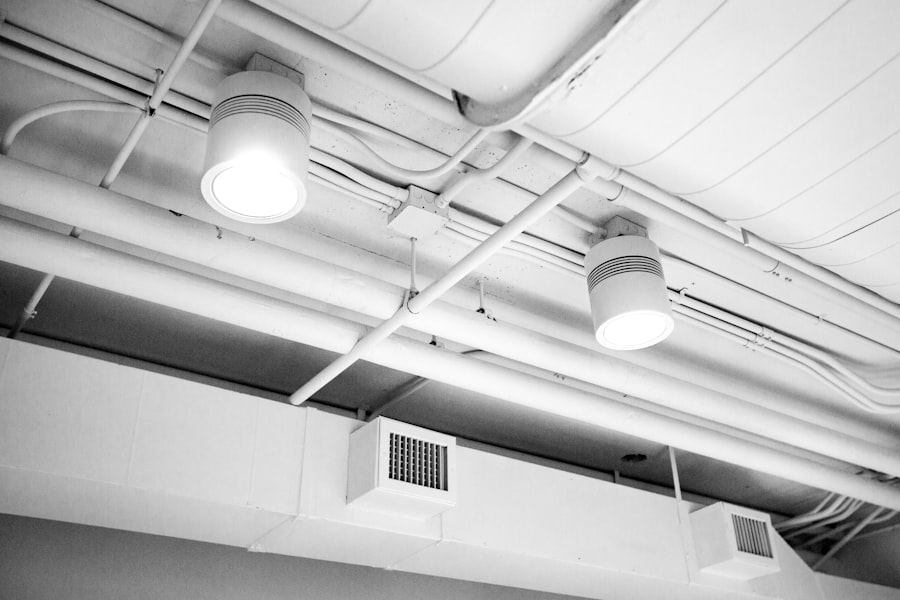
Beyond just keeping things running, proactive maintenance is fundamentally about extending the lifespan of your investment. A well-maintained system will simply last longer.
Reducing Wear and Tear: The Less Strain, The Longer It Lasts
Regular cleaning and lubrication of moving parts, ensuring proper airflow, and maintaining correct operating pressures all contribute to reducing the stress on your HVAC components. When parts aren’t overworked or struggling against resistance, they are less likely to fail prematurely.
Preventing Costly Repairs: An Ounce of Prevention…
This is where the “maximizing efficiency” truly pays off in the long run. Catching a small leak in a refrigerant line during a tune-up might cost a few hundred dollars to repair, whereas a compressor failure due to a prolonged refrigerant leak can run into thousands. Consistent maintenance shifts your HVAC spending from reactive, expensive repairs to proactive, manageable servicing.
Maintaining Optimal Performance: Enjoying Consistent Comfort
A system that’s consistently running at its peak performance means you’re always enjoying the comfortable temperatures you set. You won’t experience those frustrating dips in heating or cooling capacity, or those unexpected surges in your energy bills. It’s about reliable comfort, season after season.
Smart Technology and Future-Proofing Your HVAC
| Metrics | Data |
|---|---|
| Number of HVAC systems maintained | 100 |
| Frequency of maintenance | Quarterly |
| Average cost of maintenance | 300 |
| Number of maintenance issues identified | 50 |
The world of HVAC is evolving rapidly, with smart technology offering new avenues for efficiency and control.
Smart Thermostats: The Brains of the Operation
As mentioned earlier, smart thermostats go beyond basic programming. They can learn your household’s patterns and adjust temperatures accordingly, often integrating with weather forecasts and even your presence to optimize energy usage. Many can be controlled remotely via a smartphone app, allowing you to adjust settings while away.
Energy Usage Monitoring: Seeing Where Your Money Goes
Many smart thermostats offer detailed energy usage reports, helping you understand when and how your HVAC system is consuming power. This data can be invaluable in identifying further areas for savings.
Geofencing for Efficiency: Automatic Adjustments When You Leave
A feature called geofencing can use your smartphone’s location to automatically set the thermostat to an energy-saving mode when you leave home and bring it back to a comfortable temperature as you approach.
Integrated Systems: A Holistic Approach to Home Comfort
Newer homes may feature integrated HVAC systems that are designed to work synergistically with other smart home devices.
Connected Appliances: A Smarter Home Ecosystem
Imagine your HVAC system communicating with your smart blinds to manage solar heat gain, or working with your smart ventilation system to ensure optimal indoor air quality based on occupancy. These integrated systems offer a level of control and efficiency unimaginable just a decade ago.
Predictive Maintenance: The Next Frontier
While still developing, the concept of predictive maintenance in HVAC involves sensors that monitor the health of components in real-time, sending alerts before a failure occurs. This could allow for repairs to be scheduled at a convenient time, further minimizing disruption and cost.
Ultimately, maximizing your HVAC system’s efficiency is about adopting a mindset of consistent care and informed action. By understanding your system, performing regular DIY tasks, and partnering with qualified professionals for periodic servicing, you’re not just saving money; you’re ensuring a comfortable, healthy, and efficient home for years to come.