


So, you’re wondering how to make your HVAC business run smoother? The quickest answer is: by embracing dedicated management software. This isn’t just about fancy tech; it’s about making your daily operations, from scheduling to invoicing, a whole lot simpler and more efficient. Think of it as a central hub for all the moving parts of your business, helping you keep everything organized and your team on the same page.
Let’s be honest, running an HVAC business is complex. You’re juggling customer calls, dispatching technicians, managing inventory, processing invoices, and trying to keep an eye on profitability – all at once. Relying on spreadsheets, paper notes, and a patchwork of non-integrated tools can quickly lead to headaches, missed opportunities, and ultimately, lost revenue. Dedicated HVAC management software isn’t just a luxury; it’s becoming a necessity to stay competitive and provide top-notch service in today’s fast-paced world.
The Paper Trail Problem
Remember those stacks of paperwork? Work orders, invoices, customer records, equipment manuals – it all adds up. Not only is it a pain to organize, but finding specific information can feel like a treasure hunt. If a crucial document goes missing, you’re in a bind. Digital systems eliminate this clutter and make information instantly retrievable.
Communication Breakdowns
Ever had a technician show up to a job without the right parts because someone forgot to update the inventory? Or a customer call in to complain about a reschedule they were never told about? These communication gaps are frustrating and unprofessional. Integrated software ensures everyone has access to the same, up-to-date information, minimizing costly mistakes and improving customer satisfaction.
Chasing Payments
Getting paid on time is crucial for any business, but it’s often a struggle. Manual invoicing, follow-up calls, and waiting for checks to clear can tie up your cash flow. Management software simplifies the entire billing process, from creating invoices on-site to offering online payment options, helping you get paid faster.
Core Features You Should Look For in HVAC Management Software
When you’re sifting through the options, it’s easy to get overwhelmed. Focus on what truly matters for your day-to-day operations. Good HVAC software should be built with the specific needs of service businesses in mind, not just generic project management.
Smart Scheduling and Dispatching
This is often the heart of HVAC software. You need a system that can handle the dynamic nature of service calls, from routine maintenance to emergency breakdowns.
Drag-and-Drop Calendars
Being able to visually see your technicians’ schedules and easily reassign jobs with a simple drag-and-drop interface is a game-changer. This helps you optimize routes and respond quickly to urgent calls.
Technician Tracking (GPS)
Knowing where your technicians are in real-time allows for more accurate ETAs for customers and better resource allocation. It also provides a safety net for your field staff.
Skill-Based Dispatching
Ever send a technician to a job they weren’t qualified for? It wastes everyone’s time. Software that helps you match the right tech with the right skills to the right job ensures efficiency and customer satisfaction.
Comprehensive Customer Relationship Management (CRM)
Your customer data is gold. A good CRM module keeps all that information organized and accessible.
Centralized Customer Profiles
Imagine having access to a customer’s entire service history – every appointment, every repair, every piece of equipment – with just a few clicks. This allows your technicians and office staff to provide personalized and efficient service.
Communication Logs
Keep a record of all interactions, whether it’s a phone call, email, or even a text message. This ensures everyone on your team knows exactly what’s been discussed previously.
Service Reminders and History
Automate reminders for upcoming maintenance appointments or reoccurring services. This not only improves customer retention but also creates steady, predictable revenue streams.
Streamlined Work Order Management
From the moment a call comes in until the job is closed out, the software should guide the process.
Digital Work Orders
Say goodbye to illegible handwritten forms. Digital work orders can be accessed and updated on tablets or smartphones in the field, then immediately synced back to the office.
Photo and Video Capture
Technicians can take pictures or videos of issues and completed work, providing visual proof for customers and a valuable record for your business. This is fantastic for liability protection and showcasing quality work.
Part and Labor Tracking
Accurately track the parts used and the time spent on each job. This is crucial for precise billing and understanding job profitability.
Robust Quoting and Invoicing Capabilities
Getting paid efficiently starts with clear, professional quotes and invoices.
Professional Quote Generation
Create detailed, branded quotes quickly and accurately, often including different service tiers or good/better/best options. Customers can review and approve quotes digitally.
On-site Invoicing and Payments
Technicians can generate invoices and collect payments (via credit card processing integration) right there on the job site. This drastically reduces the time it takes to get paid.
Integration with Accounting Software
Seamlessly push invoices and payment information to your existing accounting software (like QuickBooks or Xero) to avoid double data entry and ensure financial accuracy.
Inventory and Asset Management
Managing your parts and equipment can be a logistical nightmare without the right tools.
Real-time Stock Levels
Know exactly what you have in your warehouse and on your service vehicles. This helps prevent running out of critical parts and avoids costly emergency runs to suppliers.
Purchase Order Management
Generate purchase orders directly from the software when stock levels are low. Track incoming parts and easily update inventory once they arrive.
Equipment Tracking
Keep tabs on what equipment you’ve installed at various customer locations. This is invaluable for warranty claims, service agreements, and future maintenance calls.
Making the Switch: What to Consider Before You Buy

Adopting new software is a significant investment in time and money. Don’t rush into it. A little planning now can save you a lot of headaches later.
Your Business Size and Specific Needs
Are you a small, owner-operator business or do you have multiple teams and locations? Some software is built for smaller outfits, while others scale up to handle larger enterprises. Make a list of your “must-have” features versus your “nice-to-have” features.
Cloud-Based vs. On-Premise
Most modern HVAC software is cloud-based, meaning you access it via a web browser and don’t need to install anything on your servers. This offers flexibility, automatic updates, and accessibility from anywhere. On-premise solutions are less common now but might offer more customization control (though at a higher IT cost).
Mobile Accessibility
Your technicians are in the field, so mobile apps that work seamlessly on smartphones and tablets are non-negotiable. They need to be able to access job details, update work orders, and process payments on the go, even in areas with spotty internet connectivity (look for offline capabilities).
Integration Capabilities
Does the software play nicely with other tools you already use, like your accounting software (QuickBooks, Xero), payment processors, or even your existing phone system? Seamless integrations mean less manual data entry and a more unified workflow.
User Friendliness and Training
If the software is too complicated, your team won’t use it. Look for an intuitive interface. Also, consider what kind of training and support the vendor offers. Are there online tutorials, webinars, or dedicated support staff?
Pricing Structure
HVAC software typically comes with subscription-based pricing, often per user per month. Understand what’s included in different tiers and if there are any hidden fees for features, support, or integrations. Factor in the total cost of ownership, not just the monthly fee.
Vendor Reputation and Support
Do your homework. Read reviews, ask for references, and check out their customer support channels. A reliable vendor with excellent support can make all the difference during implementation and beyond. You want a partner, not just a software provider.
The Long-Term Benefits of an Integrated Approach
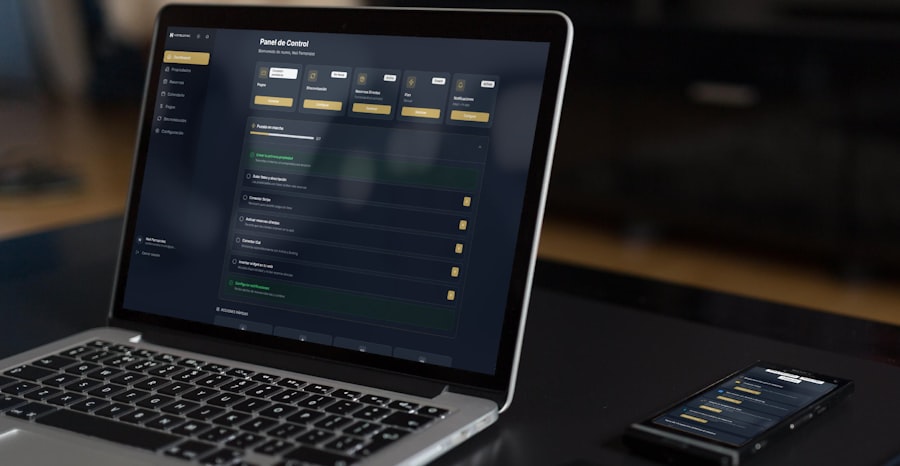
Implementing HVAC management software isn’t just about fixing immediate problems; it’s about setting your business up for sustainable growth and long-term success.
Improved Efficiency and Productivity
When your team isn’t bogged down by manual tasks, paperwork, and communication breakdowns, they can focus on what they do best: serving customers. This means more jobs completed, faster response times, and less wasted effort.
Reduced Administrative Overhead
Think about the hours saved by not manually entering data, chasing down paper invoices, or trying to decipher handwritten notes. Your office staff can shift their focus to more strategic tasks.
Optimized Technician Routes
Less driving time means more billable hours and less fuel consumption. Smart scheduling tools can significantly improve your technicians’ efficiency on the road.
Enhanced Customer Satisfaction
Happy customers are repeat customers, and they’re more likely to refer your business to others. Good software helps you deliver stellar service.
Faster Response Times
With real-time dispatching and clear communication, you can respond to emergencies and service requests more quickly, which is often a key differentiator for customers.
Personalized Service
Having a complete customer history at your fingertips means you can offer tailored advice and anticipate their needs, making them feel valued.
Transparent Communication
Customers appreciate being kept in the loop. Automated alerts for appointment confirmations, technician ETAs, and service completion updates build trust.
Better Financial Control and Profitability
Understanding your numbers is crucial for making informed business decisions. Software provides the data you need to boost your bottom line.
Accurate Job Costing
Knowing the true cost of each job (parts, labor, travel) allows you to price your services more accurately and identify unprofitable work.
Faster Cash Flow
Digital invoicing and on-site payments dramatically reduce your average ‘days to pay,’ strengthening your cash position.
Data-Driven Decision Making
With comprehensive reports on everything from technician performance to equipment profitability, you can identify trends, areas for improvement, and new opportunities.
Scalability and Growth Potential
As your business grows, your current manual processes will eventually break under the strain. Software allows you to expand without completely overhauling your operational foundation.
Onboarding New Technicians
Training new staff is easier when there’s a standardized, digital process to follow for every aspect of a job.
Expanding Service Offerings
If you decide to add new services, the software can often be adapted to manage those new workflows without significant disruption.
Opening New Locations
centralized system means you can manage multiple branches from a single platform, maintaining consistency across your entire operation.
Ultimately, investing in modern HVAC management software is investing in the future of your business. It transforms chaos into order, boosts efficiency, delights customers, and provides the financial clarity you need to grow confidently. It’s about working smarter, not just harder.