

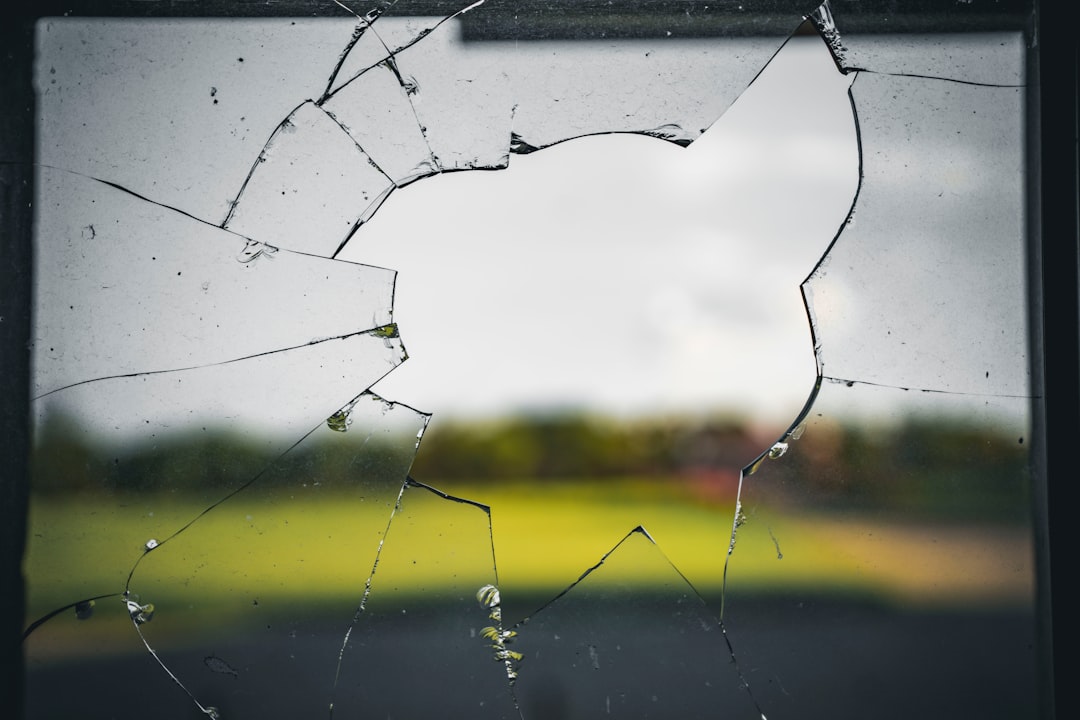

So, you’ve got a little boo-boo on your windshield. Maybe it was a rogue pebble on the highway, or perhaps a particularly enthusiastic hail storm. Whatever the cause, that rock chip or crack can be a real bummer. The big question on your mind is probably: can it be fixed, or do you need a whole new windshield? The good news is, quite often, it can be repaired. But there are definitely some “ifs” and “buts” to consider. This article will walk you through exactly when that small damage can be saved, and when it’s time to call in the pros for a replacement.
Think of windshield repair as a kind of medical procedure for your car’s glass. It’s not just about slapping some glue on it. The process involves injecting a special resin into the damaged area. This resin is designed to have similar optical properties to glass, meaning it’ll be as clear as possible once it cures.
Understanding the Damage Types
Before we dive into repairability, it’s helpful to know what you’re dealing with. Not all chips and cracks are created equal.
Rock Chips: The Common Culprits
These are usually small, circular or star-shaped impacts caused by flying debris. They’re often quite shallow and don’t penetrate too deeply into the glass. Think of them as tiny craters.
Cracks: The Spreading Menace
Cracks are linear breaks in the glass. They can be short and stubby, or long and insidious, running across your field of vision. The concern with cracks is their tendency to spread, especially with changes in temperature or vibrations from driving.
Combination Damages: The Worst of Both Worlds
Sometimes, you might have a chip that then develops a crack extending from it. These can be trickier to repair and sometimes lean towards replacement.
The Resin: More Than Just Glue
The special clear resin used in repairs is key. It’s formulated to flow into the tiny spaces of the damage, bind the glass fragments back together, and cure under UV light, becoming as hard and clear as possible. This restores structural integrity and prevents the damage from spreading.
Size Matters: The Golden Rules of Repairability
When it comes to getting that chip or crack fixed, size is the most significant factor. There are generally accepted industry guidelines for what can and cannot be effectively repaired.
Chip Size Limitations
Most professional repair services will tell you that a rock chip can typically be repaired if it’s no larger than a U.S. quarter. This is a good rule of thumb, though some might have slightly different tolerances.
The Quarter Inch Rule
This is often cited: if the damaged area, including any radiating cracks, is roughly the diameter of a quarter, it’s a strong candidate for repair.
Star Breaks and Bulls-Eyes
Even if the overall diameter is within limits, the nature of the break matters. Small, contained star breaks or bulls-eye chips are often easier to fix than those with multiple, long radiating cracks.
Crack Length and Location
Cracks introduce more complexity. Their length and where they are located on the windshield are critical.
The 6-Inch Guideline
A common rule of thumb is that a crack up to about 6 inches in length might be repairable. Again, this is an approximation, and the nature of the crack is crucial.
Edge Cracks: A No-Go Zone
If a crack extends all the way to the edge of the windshield, it’s almost always beyond repair. The edges are structural points, and a crack there compromises the entire integrity.
Cracks in the Driver’s Direct Line of Sight
Even if a crack is within the length limits, if it directly obstructs the driver’s view, it’s often deemed unsafe and will require replacement. Safety regulations are strict about clear visibility.
The Depth of the Damage
The repair process works best when the impact hasn’t completely fractured the glass.
Impact to the Outer Layer Only
Ideally, the rock chip or crack has only damaged the outer layer of the laminated glass. If the damage goes through both layers, it’s generally not repairable.
The “Finger Test”
A very rudimentary (and not entirely reliable) test is to gently run your finger over the chip. If you can feel significant gouges or sharp edges that go deep, it might be too much damage. Professionals have specialized tools to assess depth accurately.
Beyond Size: Other Factors Influencing Repair
It’s not just about how big the ding is. Several other elements play a role in whether your windshield can be saved.
The Age of the Damage
Fresh damage is almost always easier to repair. Over time, dirt, moisture, and debris can get into the tiny fissures, making it harder for the resin to bond properly.
Recent Chips are Best
If you notice a chip shortly after it happens, get it looked at as soon as possible. The sooner you act, the better your chances of a successful repair.
Old, Dirty Chips
If that chip has been there for months or years, especially if it’s been through rain and car washes, it’s likely filled with all sorts of gunk. This contamination can prevent the repair resin from adhering effectively.
The Type of Glass and Its Layers
Windshields aren’t just single panes of glass. They’re usually made of laminated safety glass.
Laminated Glass Explained
This consists of two layers of glass with a thin layer of polyvinyl butyral (PVB) plastic sandwiched in between. The plastic is what holds the glass together if it breaks, preventing dangerous shards.
Impact to the Outer Pane
The repair process primarily targets damage to the outer pane. If the impact has significantly compromised the inner pane or the PVB layer, repair becomes much more challenging, if not impossible.
Contamination and Debris
As mentioned, anything that gets lodged in the chip or crack can be a roadblock to a successful repair.
Water and Dirt Intrusion
Rainwater, road grime, and even tiny pieces of the object that caused the damage can seep into the break. This contamination can affect the clarity of the repair and its longevity.
Pre-Cleaning is Crucial
Reputable repair technicians will meticulously clean the damaged area before attempting the repair. However, if the contamination is too deep or widespread, it can be a deal-breaker.
When Replacement is the Only Option: The Red Flags

Sometimes, despite your best efforts to act quickly, the damage is simply too severe for a repair. Recognizing these situations will save you time and potentially money.
Long and Spreading Cracks
As we touched on, if a crack is growing rapidly or has reached a significant length (often exceeding 6 inches), it’s usually a sign that the structural integrity of the glass is compromised.
The “Spiderweb” Effect
If a chip has created a network of numerous radiating cracks, it’s often too complex to repair effectively. The resin might not be able to fill all the tiny fissures, leaving it weak and prone to further spreading.
Impact to the Driver’s Vision
This is non-negotiable. Any damage that directly impairs the driver’s forward vision, regardless of its size or length, requires replacement. This is a matter of safety and legal compliance.
Damage Near the Edges or Corners
Windshield edges are particularly vulnerable. Cracks that extend to these areas, or chips that are very close to the edge, can lead to delamination or edge stress, making repair futile.
Edge Stress Fractures
When glass is stressed at its edges, even minor impacts can cause cracks to propagate quickly. These are difficult to stabilize with resin.
Corner Chips and Cracks
Similar to edge damage, cracks originating from or near the corners of the windshield are often too risky to repair. The curvature and mounting points at the corners make them prone to further stress.
Multiple Impacts or Severe Pitting
If your windshield has several small chips spread out, or is extensively pitted from years of small impacts, it might be time for a replacement.
Accumulation of Damage
While one or two small chips might be repairable, a windshield with numerous minor imperfections can weaken the glass overall, making it more susceptible to larger cracks.
Deep Gouges
If the impact caused a deep gouge that removed a significant amount of glass, rather than just creating a crack, it’s likely beyond repair.
The Repair vs. Replacement Decision: Making the Smart Choice
| Windshield Damage | Repairable | Replacement Needed |
|---|---|---|
| Rock Chip | Yes | No |
| Crack | Depends on size and location | Yes, if extensive |
Deciding whether to repair or replace can feel overwhelming, but by considering the factors above, you can make an informed decision.
Cost-Effectiveness of Repair
Generally, windshield repair is significantly cheaper than replacement. If your damage is repairable, it’s almost always the more economical choice.
Insurance Coverage
Many auto insurance policies cover windshield repair with no deductible. This can make repair an incredibly attractive option, as you might get it fixed for free. Always check with your insurance provider.
Preventing Future Costs
Repairing a small chip can prevent it from turning into a large crack, which would then necessitate a costly replacement. It’s a proactive measure that saves money in the long run.
Safety Considerations
Your windshield isn’t just for keeping the wind out; it’s a crucial structural component of your vehicle.
Structural Integrity
A damaged windshield can compromise the integrity of the car’s roof in case of a rollover. A properly repaired or replaced windshield contributes to your car’s overall safety.
Visibility
Clear visibility is paramount for safe driving. Any repair that leaves a visible distortion or blemish in your line of sight is a safety concern.
Longevity and Aesthetics
What do you hope to achieve with the repair?
Repair vs. Perfection
It’s important to manage expectations. A repaired chip will likely still be visible, though much less noticeable. The goal of repair is structural integrity and preventing spreading, not making the glass look brand new.
When the Aesthetic Matters
If the chip or crack is in a highly visible area, and you’re looking for a flawless finish, replacement might be the better option. However, for most functional repairs, a slight blemish is an acceptable trade-off for avoiding a full replacement.
Ultimately, the best way to know for sure is to have a qualified auto glass technician assess the damage. They have the expertise and tools to accurately determine if your windshield can be repaired, ensuring your safety and the longevity of your vehicle’s glass. Don’t delay – get that chip or crack checked out!