

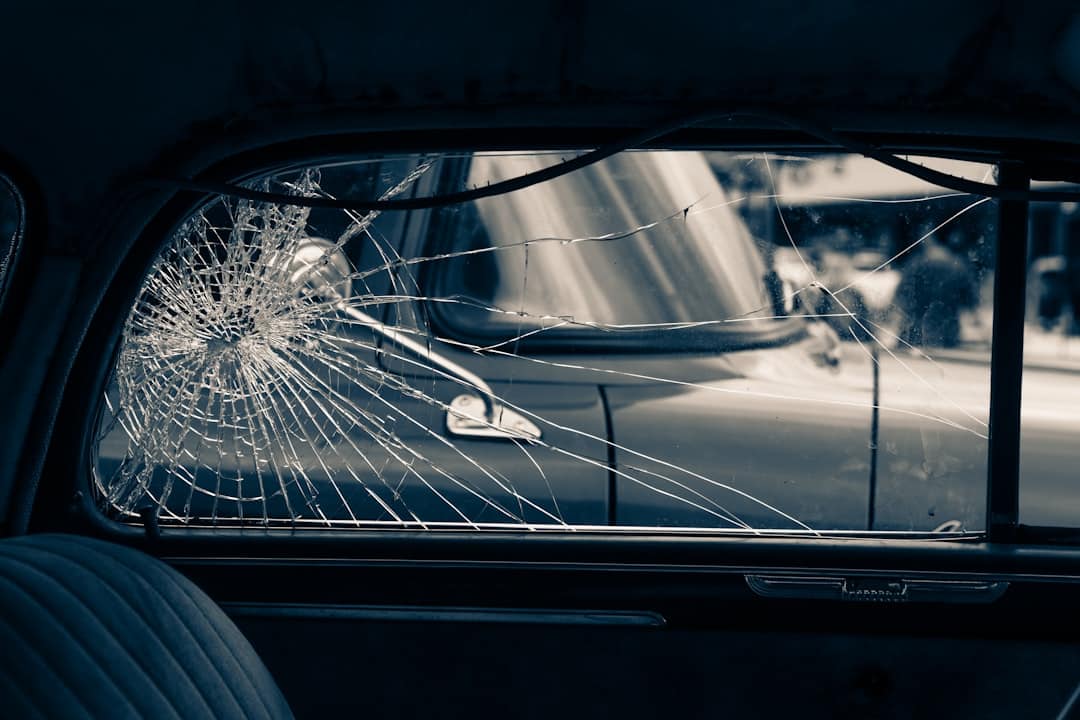

The unwelcome spiderweb of its existence began subtly. A faint, almost imperceptible chip, likely from a rogue pebble on the highway. I remember dismissing it initially. A minor imperfection, I thought. But like a tiny crack in a dam, it grew. And as it grew, so did my awareness of the mounting cost of fixing a cracked windshield. This isn’t a tale of thrilling automotive adventures or soaring freedom; it’s a pragmatic exploration of a common, yet costly, inconvenience.
The moment a crack appears, a sense of dread invariably settles in. My immediate thought wasn’t about the aesthetic damage, but the financial implications. Replacing a windshield isn’t a trivial expense. It’s a significant outlay, often unexpected, that can disrupt an otherwise stable budget. I found myself immediately contemplating the various factors that influence this cost, each a potential harbinger of a larger bill.
The Size of the Damage: Small Chip vs. Extensive Crack
My initial chip, thankfully, was small. This offered a glimmer of hope. I’d heard that minor damage could sometimes be repaired, a less drastic and therefore less expensive solution than a full replacement. However, the uncertainty remained. What constitutes “minor”? My mechanic’s assessment would be crucial. A large crack, conversely, presented an almost immediate and undeniable need for replacement, a much steeper financial climb.
Location Matters: Driver’s Side vs. Passenger’s Side
I became acutely aware of where the damage occurred. A crack directly in my line of sight, particularly on the driver’s side, immediately raised red flags regarding safety and legality. Law enforcement can issue tickets for obstructed views, adding another layer of unwanted expense and stress. The positioning of the crack directly impacts not just the cost of repair but also the urgency.
The Type of Glass: Standard vs. Advanced Features
My car, like many modern vehicles, isn’t equipped with basic, run-of-the-mill glass. It has a rain-sensing system and is likely a laminated safety glass, designed to fragment into small, relatively harmless pieces upon impact. This advanced technology, while beneficial for safety and convenience, comes with a higher price tag. I anticipated that the sensors and integration required for these features would translate into a more substantial invoice compared to older vehicle models.
Repair vs. Replacement: A Strategic Decision
The decision between repairing a chip or replacing the entire windshield is the first major financial hurdle. It’s a critical juncture where understanding the pros and cons of each option is paramount to managing the cost. I learned that this decision isn’t always straightforward and can involve weighing immediate savings against long-term considerations.
The Viability of Windshield Repair
My initial hope was that my small chip could be repaired. The concept is appealing: a resin is injected into the damaged area, bonding the glass fragments and preventing the crack from spreading. This is significantly cheaper than a full replacement. However, not all chips are candidates for repair. I understood that several factors would dictate its feasibility.
When Repair is an Option
I researched the conditions under which repair is typically considered viable. These included the size of the chip (generally no larger than a quarter), the depth of the damage (surface-level rather than penetrating), and the location (away from the edges of the windshield where stress points are higher). If my damage fell within these parameters, I could potentially save a considerable amount of money.
When Replacement is Unavoidable
Conversely, if the crack was long (typically over six inches), had branched out from the initial impact point, or was located in a critical area like the driver’s direct line of sight, repair would likely be deemed insufficient or unsafe. This is when the cost of replacement becomes an unavoidable reality.
The Cost Differences: A Significant Divide
The financial disparity between repair and replacement is substantial. A typical windshield repair might cost anywhere from $50 to $150, a manageable sum for most budgets. A full windshield replacement, on the other hand, can range from $200 to over $800, depending on the vehicle, the type of glass, and labor costs. This stark difference highlights the importance of addressing damage promptly.
The Long-Term Implications of Repair
While tempting, I also considered the long-term implications of relying on a repair. While it can prevent the crack from spreading, the repaired area might still be a point of weakness. Under extreme temperature changes or further impact, the crack could re-emerge. This is a consideration that weighs on my mind; is a cheaper fix now worth the potential for a more expensive problem later?
Understanding the Factors Influencing Replacement Costs
Once the decision leans towards replacement, the cost can still vary wildly. I delved into the components that make up the final bill, seeking to understand why one replacement might cost significantly more than another.
Vehicle Make and Model: The Price of Specialization
My older sedan, with its relatively standard windshield, would likely cost less to replace than a high-end luxury SUV or a vehicle with a panoramic sunroof that incorporates the windshield. Specialized vehicle designs often require custom-cut glass, which naturally carries a higher price tag. The intricate curves and integrations in some car windows necessitate specific manufacturing processes, driving up the cost.
Type of Glass: From Basic to High-Tech
As mentioned earlier, the type of glass is a major cost determinant. Basic laminated glass is the most affordable. However, many modern cars come with more advanced features like:
- Heated windshields: These have embedded heating elements to de-ice the glass quickly. The complexity of these elements adds to the cost.
- Acoustic glass: Designed to reduce road noise, this type of glass has an extra layer of plastic in the middle, making it more expensive.
- Solar-controlled glass: This glass has a tint or coating that reflects solar radiation, helping to keep the car cooler. This also adds to the manufacturing complexity and price.
- HUD (Heads-Up Display) compatible glass: Vehicles with HUD systems require specifically designed windshields to project information accurately.
My car’s rain-sensing wipers and likely some degree of solar tint meant I was already on the higher end of the standard glass spectrum.
Labor Costs: The Human Element
Beyond the price of the glass itself, labor costs are a significant factor. The installation process requires skilled technicians. Their hourly rates, the time it takes to complete the job, and the overhead of the auto glass shop all contribute to the final invoice. I learned that mobile services, while convenient, might sometimes have slightly higher labor charges to account for travel.
Calibration of ADAS Features: The Modern Necessity
This is perhaps the most significant recent addition to windshield replacement costs. My car, like many newer models, is equipped with Advanced Driver-Assistance Systems (ADAS). These systems rely on cameras and sensors, many of which are mounted behind the windshield – often in a small bracket near the rearview mirror. After a windshield replacement, these sensors must be recalibrated to ensure accurate functionality.
The Importance of ADAS Calibration
If ADAS systems are not properly calibrated, they can malfunction. This means features like:
- Lane departure warning: Might not alert me when I’m drifting.
- Automatic emergency braking: Could fail to engage when needed.
- Adaptive cruise control: May not maintain the correct distance from other vehicles.
- Traffic sign recognition: Might not read speed limits correctly.
The calibration process itself requires specialized equipment and trained technicians. This adds a professional service fee that can range from $50 to $300 or more, depending on the complexity of the system and the number of calibrations required. This is a cost that cannot be bypassed if the vehicle is equipped with these features.
The “Aftermarket” vs. “OEM” Debate
I also encountered discussions about Original Equipment Manufacturer (OEM) glass versus aftermarket glass. OEM glass is made by or for the vehicle manufacturer and is generally considered to be of the highest quality and to perfectly match the vehicle’s specifications, including any special coatings or features. Aftermarket glass is made by other manufacturers and is often less expensive. While generally safe and functional, I was advised to inquire about the source of the glass, particularly if ADAS calibration was involved, as some aftermarket glass might not be perfectly compatible with certain calibration systems, though this is becoming less common as standards improve.
Insurance and Out-of-Pocket Expenses
The question of insurance is always at the forefront of my mind when facing a significant car repair. I had to understand how my policy would handle this situation and what my personal financial responsibility would be.
Windshield Coverage: A Common Policy Add-On
I began by reviewing my auto insurance policy. Many insurance providers offer specific coverage for windshields, sometimes as a separate rider or add-on. This coverage often comes with a lower deductible than my comprehensive deductible, or in some cases, a zero deductible for windshield repairs.
The Deductible Dilemma
If my policy did include windshield coverage, the deductible was the next major consideration. A typical comprehensive deductible might be $500 or $1000. If I didn’t have specific windshield coverage, I would be looking at paying that full amount. However, if I had a separate, lower deductible for glass damage, say $100 or $250, the out-of-pocket cost would be significantly reduced. I recalled a period where I had opted for a higher comprehensive deductible to lower my monthly premiums, a decision I was now questioning with a cracked windshield looming.
Out-of-Pocket Without Insurance or with High Deductible
In scenarios where insurance coverage is minimal, non-existent, or where the deductible exceeds the cost of the repair or replacement, I would be responsible for the full amount out of pocket. This is where the financial planning truly becomes critical. I had to be prepared for the possibility of absorbing the entire expense myself.
The Impact on Future Premiums
I also wondered if filing a claim for a cracked windshield would impact my future insurance premiums. This is a common concern for many drivers. Generally, windshield claims are often treated differently than at-fault accidents. Many insurance companies will not increase your premiums for a windshield claim, particularly if it’s handled as a comprehensive claim with a lower deductible. However, it’s always best to confirm this with my insurance provider directly.
Proactive Measures and Cost-Saving Strategies
| Location | Cost to Fix |
|---|---|
| Auto Repair Shop | 150 |
| Mobile Windshield Repair Service | 100 |
| DIY Repair Kit | 20 |
Facing the potential cost of a cracked windshield prompted me to consider how I could have perhaps mitigated this expense, or how I could approach future situations with more financial preparedness.
Addressing Chips Promptly: The Power of Prevention
My current situation was a stark reminder: addressing small chips immediately is the single most effective cost-saving strategy. A minor chip, if caught and repaired quickly, could prevent a much larger, more expensive crack from forming. I now understand that ignoring even the smallest blemish is a gamble with my wallet.
Researching Auto Glass Shops: Comparing Quotes
Before committing to a repair or replacement, thorough research is essential. I learned that not all shops charge the same prices. Obtaining multiple quotes from reputable auto glass repair shops in my area is a smart move. This allows me to compare not only prices but also the services offered, warranties, and customer reviews. I would be looking for shops that are transparent about their pricing and the type of glass they use.
The Value of Warranties
A good warranty can provide peace of mind and protect against future issues. Many reputable shops offer warranties on their workmanship and sometimes on the glass itself. I would be looking for guarantees against leaks, defects in the glass, or even against cracks spreading after a repair. This adds a layer of value to the service.
Utilizing Mobile Services: Convenience and Potential Savings
Mobile auto glass services can sometimes offer a cost advantage due to lower overhead. They can come to your home or workplace, saving you the time and hassle of driving to a shop. While the price might be similar for the glass itself, the overall convenience and potential for slightly reduced labor costs make them a viable option to explore.
Checking for Manufacturer or Dealership Promotions
Occasionally, car dealerships or auto glass chains run promotions or discounts. It’s worth checking their websites or contacting them directly to see if any specials are available. Sometimes loyalty programs or seasonal offers can shave a bit off the total price.
The Long View: Beyond the Immediate Bill
The cost of fixing a cracked windshield extends beyond the immediate financial transaction. It’s a multifaceted issue that touches upon safety, vehicle value, and ongoing maintenance. I’ve come to appreciate that this seemingly simple problem has several layers of financial consideration.
The Safety Aspect: A Non-Negotiable Cost
While I’ve focused on the monetary cost, the primary concern must always be safety. A damaged windshield compromises visibility and the structural integrity of the vehicle. In the event of an accident, the windshield plays a crucial role in protecting occupants. The cost of a repair or replacement, when viewed through the lens of safety, becomes a necessary investment rather than an arbitrary expense. I realized that attempting to save money by delaying or avoiding a necessary replacement would be a dangerous and irresponsible choice.
The Impact on Resale Value
A cracked or poorly repaired windshield can detract from a vehicle’s resale value. Potential buyers will likely see it as a sign of poor maintenance or a structural weakness. This can lead to a lower offer when I eventually decide to sell or trade in my car. Addressing the issue proactively, even if it involves an upfront cost, might preserve the vehicle’s overall market value.
The Ongoing Maintenance of Your Vehicle
This cracked windshield served as a potent reminder that regular vehicle maintenance is essential. Ignoring small problems can lead to larger, more costly ones down the line. It’s a philosophy that applies not just to glass but to tires, brakes, and all other critical components of a vehicle. The cost of fixing a cracked windshield is, in many ways, a lesson in the importance of proactive automotive care. It’s an expense I hope to avoid in the future, armed with knowledge and a newfound appreciation for swift, professional attention to vehicle damage.