


When a customer has a glass claim, the process generally starts with them reporting the damage to their insurance company. From there, the insurer will verify coverage, and the customer will typically be directed to a preferred repair facility or given options to choose their own. The glass will then be repaired or replaced, often with the insurer paying the shop directly, minus any deductible. It’s a fairly streamlined process designed to get the customer back on the road quickly and safely.
Initiating the Glass Claim: The First Steps
Reporting a glass claim might seem daunting, but it’s usually quite straightforward. The first thing a customer needs to do is get in touch with their insurance provider. This can be done in several ways, and most insurers have multiple convenient options. The goal at this stage is to provide enough initial information for the insurer to open a claim file and start the verification process.
How to Report the Damage
Customers have a few common avenues for reporting glass damage. The most traditional method is calling their insurance agent or the company’s direct claims line. Many insurers now also offer online portals or mobile apps where customers can submit claim information, often including photos of the damage. Some even have dedicated glass claims hotlines, which can expedite the process. When reporting, it’s helpful to have your policy number, the date and approximate time the damage occurred, and a brief description of what happened. For instance, “a rock hit my windshield on the highway” is perfectly sufficient. The key is to be as clear as possible without feeling the need to provide excessive detail at this initial stage.
Understanding Your Coverage
Once the claim is reported, the insurance company will verify the customer’s coverage. This involves checking the policy details to ensure that glass damage is covered and understanding the specific terms. Most auto insurance policies include comprehensive coverage, which typically covers damage to glass from incidents like vandalism, theft, falling objects, or impacts from road debris. It’s less common for liability-only policies to cover glass damage, as those policies primarily cover damage you cause to others. The insurer will also check for any specific endorsements or exclusions that might apply. For instance, some policies might have a separate deductible for glass claims, or even a zero-deductible option for windshield repair rather than replacement. This verification step is crucial because it determines what the insurer will pay for and what the customer’s out-of-pocket expenses might be.
The Role of the Deductible
The deductible is often a point of confusion for customers. In simple terms, it’s the amount of money the policyholder must pay toward a covered loss before the insurance company starts paying. For glass claims, deductibles can vary significantly. Some policies have a standard comprehensive deductible (e.g., $250, $500, $1,000) that applies to all comprehensive claims, including glass. Other policies might offer a lower or even $0 deductible specifically for glass repair or replacement, particularly for windshields. It’s also common for policies to waive the deductible entirely if the windshield can be repaired (e.g., a small chip) rather than replaced. The insurer will inform the customer about their specific deductible amount during the claims process. It’s important for the customer to understand this figure, as it directly impacts their financial responsibility for the repair or replacement.
Repair or Replace: The Assessment Process
After the initial reporting and coverage verification, the next critical step is assessing the damage to determine if the glass can be repaired or if a full replacement is necessary. This decision isn’t arbitrary; it’s based on industry standards and safety considerations.
Initial Damage Evaluation
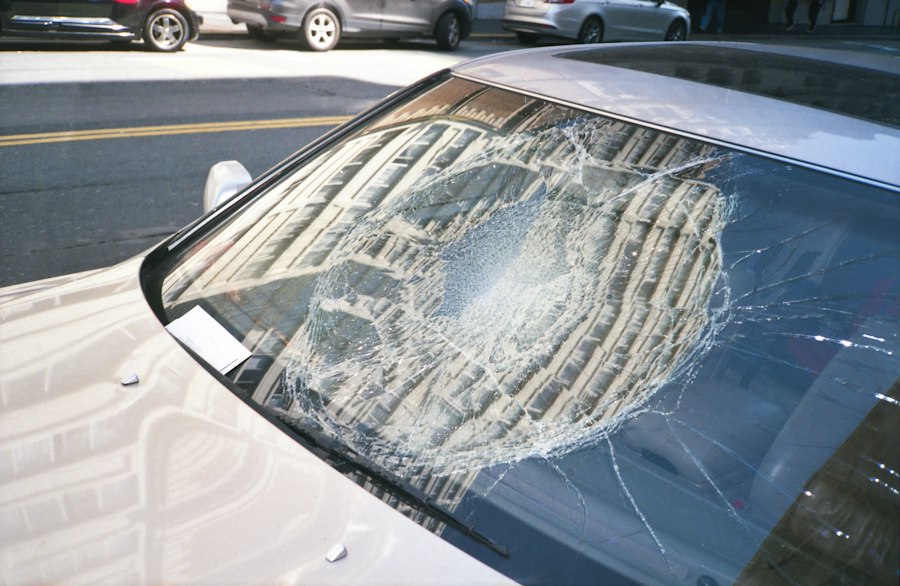
Often, the customer will be asked to describe the damage in more detail during the initial claim report, or a claims adjuster or a glass shop technician will perform a more thorough evaluation. For windshields, key factors include the size, type, and location of the damage. Small chips, usually less than the size of a quarter, that are not in the driver’s direct line of sight are often good candidates for repair. Cracks, especially long ones (more than a few inches), those that spider out significantly, or those that reach the edge of the windshield, typically require replacement. Damage in the driver’s critical viewing area (roughly an 8.5″ x 11″ area directly in front of the steering wheel) is also often a replacement scenario, even for smaller chips, due to safety concerns and potential visual distortion. Damage to other vehicle glass, like side windows or the rear window, is almost always a replacement, as these are typically tempered glass and shatter into many small pieces when broken, making repair impossible.
Repair Options and Feasibility
When a repair is feasible, it’s often the preferred option for both the insurer and the customer. Repairs are generally quicker, less expensive, and more environmentally friendly. The process usually involves injecting a special resin into the damaged area, which is then cured with ultraviolet light. This resin fills the void, strengthens the glass, and prevents the damage from spreading, while also improving visibility. The goal isn’t to make the damage disappear entirely, but to restore the structural integrity of the windshield and make the flaw much less noticeable. As mentioned earlier, many insurance policies waive the deductible for windshield repairs, making it an even more attractive option for customers.
Replacement Considerations
If the damage is too extensive, in a critical area, or if it’s not a windshield (e.g., side window, rear window), replacement becomes necessary. This involves carefully removing the damaged glass, cleaning the opening, and installing new glass using specialized adhesives and tools. Modern vehicles often have complex windshields that incorporate sensors for advanced driver-assistance systems (ADAS) like lane-keeping assist, automatic emergency braking, and adaptive cruise control. When these windshields are replaced, a recalibration of these ADAS sensors is often required. This is a critical step to ensure the safety systems function correctly after the new glass is installed. Failure to recalibrate can lead to dangerous malfunctions of these safety features. The glass shop will typically have the expertise and equipment to perform this recalibration, or they will work with a dealership or specialized facility to ensure it’s done correctly. This adds a layer of complexity and cost to modern windshield replacements, which insurers are aware of.
Choosing a Repair Facility and Scheduling

Once the decision is made between repair and replacement, the customer needs to select a facility and get the work scheduled. Insurers often have networks of preferred vendors, which can simplify this step for the customer.
Insurer’s Preferred Network
Most insurance companies maintain a network of approved glass repair and replacement shops. These shops have typically met specific quality and service standards set by the insurer, and they often have direct billing agreements in place. When a customer reports a glass claim, the insurer might recommend or direct them to one of these preferred providers. Using a preferred network shop can streamline the process significantly, as the insurer and the shop already have an established relationship, and payment procedures are often pre-arranged. This can mean less paperwork and quicker service for the customer. The insurer might also offer guarantees on the work performed by these shops.
Customer’s Choice of Shop
While insurers often recommend preferred shops, customers generally have the right to choose their own repair facility. This is an important consumer protection in many jurisdictions. If a customer has a particular glass shop they trust or prefer, they can certainly use them. However, if the chosen shop is outside the insurer’s network, there might be a few differences in the process. The customer might need to get an estimate from the shop and submit it to the insurer for approval. There might also be a period where the insurer reviews the estimate to ensure the pricing is reasonable and customary for the specific type of repair or replacement. In some cases, the customer might have to pay the shop directly and then be reimbursed by the insurer, rather than the insurer paying the shop directly. It’s always a good idea for customers to confirm these details with their insurance company if they choose an out-of-network shop.
Scheduling the Service
Once the shop is selected and the repair or replacement plan is finalized, the customer will schedule the service. For repairs, this can often be a same-day or next-day service, sometimes even mobile where the technician comes to the customer’s home or workplace. Replacements typically require more time, usually a few hours, and often require the customer to bring the vehicle to the shop. The shop will usually advise the customer on how long the service will take and any post-installation instructions, such as recommended “drive-away” times for new adhesives to cure, especially for windshields. For side and rear windows, which are usually tempered glass and held in with mechanical fasteners or non-structural adhesives, the drive-away time is less of a concern. Good communication between the customer, the shop, and potentially the insurer is key to a smooth scheduling process.
The Repair or Replacement Process Itself
With the facility chosen and the appointment made, the actual work can begin. This part of the process is handled by trained technicians and involves specific steps to ensure a quality and safe outcome.
Pre-Installation Checks and Preparation
Before any work begins, the technician will typically perform a final inspection of the vehicle and the damaged glass. This ensures that the original assessment was accurate and that no new damage has occurred. For a replacement, the surrounding areas of the vehicle will be protected with coverings to prevent damage to paint, interior, or other components during the glass removal. The interior might also be vacuumed to remove any loose glass shards from the initial breakage. For windshield replacements, the technician will also prepare the new windshield, sometimes attaching new moldings or trim pieces. They will also clean and prepare the vehicle’s frame, removing old adhesive and ensuring a clean, dry surface for the new adhesive.
Performing the Repair
If it’s a repair, the process is relatively quick. The technician will clean the damaged area thoroughly, often using a special tool to create a clean opening for the resin if necessary. A vacuum device is then used to remove air from the crack or chip, and a specialized clear resin is injected into the damage. This resin fills the void and, once cured, restores much of the glass’s original strength and clarity. The resin is then cured using an ultraviolet light, which hardens it. After curing, any excess resin is scraped off, and the area is polished. The entire repair process usually takes less than 30 minutes.
Executing the Replacement
For a replacement, the technician will carefully remove the old, damaged glass. For windshields, specialized tools are used to cut through the urethane adhesive that bonds the glass to the vehicle’s frame. For side and rear windows, the process might involve removing interior door panels or trim to access mounting mechanisms or adhesives. Once the old glass is out, the opening is thoroughly cleaned, and a new bead of automotive-grade urethane adhesive is applied to the vehicle’s frame or to the new glass, depending on the manufacturer’s specification. The new glass is then carefully set into place, ensuring proper alignment and a watertight seal.
Post-Installation and ADAS Recalibration
After the new glass is installed, the technician will usually clean the glass thoroughly and perform a final inspection. For windshield replacements, especially in modern vehicles, the critical step of ADAS (Advanced Driver-Assistance Systems) recalibration often follows. As mentioned earlier, cameras and sensors embedded in or near the windshield are integral to features like automatic emergency braking, lane keeping assist, and adaptive cruise control. Replacing the windshield can alter the precise alignment of these sensors, requiring them to be recalibrated using specialized diagnostic equipment. This can involve static calibration (performed in a controlled shop environment with targets) or dynamic calibration (performed by driving the vehicle under specific conditions). This step is crucial for the safe and proper functioning of the vehicle’s safety features and is typically included in the cost of a modern windshield replacement. The customer will also be advised of any “safe drive-away” times for the adhesive to cure before driving the vehicle.
Finalizing the Claim and Payment
| Step | Action | Typical Timeframe | Customer Impact | Notes |
|---|---|---|---|---|
| 1 | Customer Reports Glass Damage | Within 24-48 hours of incident | Initiates claim process | Customer contacts insurer via phone, app, or website |
| 2 | Claim Assessment | 1-3 business days | Determines claim validity and coverage | May require photos or inspection |
| 3 | Approval or Denial of Claim | Same day or up to 5 business days | Customer informed of decision | Approval leads to repair or replacement scheduling |
| 4 | Scheduling Repair or Replacement | 1-7 days depending on availability | Customer arranges convenient time | Mobile or shop service options may be offered |
| 5 | Glass Repair or Replacement | 1-2 hours typically | Restores vehicle to pre-damage condition | May include temporary fixes if needed |
| 6 | Claim Closure | Immediately after service completion | Customer receives confirmation and documentation | Follow-up for satisfaction may occur |
Once the repair or replacement is complete, the final steps involve payment and formally closing out the claim. This is where the initial deductible conversation comes full circle.
Direct Billing and Deductible Collection
For customers using an insurer’s preferred network shop, the process is usually seamless. The glass shop will directly bill the insurance company for the cost of the repair or replacement. If a deductible applies, the customer will pay their deductible amount directly to the shop at the time of service. The insurance company then pays the remaining balance to the shop. This direct billing process is designed to be convenient for the customer, minimizing their out-of-pocket hassle. The customer simply pays their portion, and the rest is handled between the shop and the insurer.
Reimbursement Procedures (for out-of-network shops)
If a customer chose an out-of-network shop, the payment process might differ. In these cases, the customer might be required to pay the full cost of the repair or replacement to the shop upfront. They would then submit the invoice and any other required documentation (like photos of the damage, repair estimate, proof of payment) to their insurance company for reimbursement. The insurance company will review the submitted documentation and, assuming coverage is confirmed and the charges are reasonable, will reimburse the customer for the covered amount, minus their applicable deductible. This process can take a little longer, as it involves an extra step of the customer waiting for their reimbursement check.
Warranty and Guarantees
Most reputable glass repair and replacement shops offer a warranty on their work, typically covering workmanship and materials. This is an important detail for customers, as it provides peace of mind that if there are any issues with the installation (e.g., leaks, windshield coming loose), the shop will correct it. Insurance companies also often stand behind the work performed by their preferred network shops. The specifics of these warranties should be communicated to the customer at the time of service. It’s always a good idea for the customer to keep their invoice and warranty information in a safe place.
Closing the Claim
Once the payment is settled and the work is complete to the customer’s satisfaction, the insurance company will officially close the claim. This simply means that the file is marked as resolved. The customer’s claim history will reflect the glass claim, but it’s important to note that a comprehensive glass claim is typically considered a “no-fault” claim. This means it’s generally not counted against a customer in the same way an at-fault accident claim would be and usually does not lead to an increase in premiums. However, a history of numerous glass claims could potentially be reviewed by an insurer, though this is less common. For the customer, the main takeaway is that their vehicle is back to its original condition, and the process is complete.